Krav Maga is often touted as one of the most effective self-defense systems available, but does it truly live up to the hype? In a world where personal safety is paramount, understanding the practicalities and limitations of any martial art is crucial. This article delves into the brutal truth about Krav Maga, separating fact from fiction, and addressing common misconceptions. It’s not just about punches and kicks; it’s about real-world effectiveness, legal considerations, and ethical responses to threats. As we explore what makes Krav Maga unique, we’ll uncover whether it genuinely equips you for the challenges of real-life confrontations. Are you ready to discover the reality behind the claims? Let’s find out.
Understanding Krav Maga: Origins and Principles
Krav Maga, an Israeli self-defense system, was initially developed for the Israel Defense Forces (IDF) to prepare soldiers for combat situations. This martial art is distinct for its focus on real-world applications, targeting not only physical combat but also psychological readiness. The principles of Krav Maga emphasize practicality, efficiency, and aggression, designed to equip practitioners with skills to defend against various threats, including armed attacks and multiple assailants.
At its core, Krav Maga relies on instinctive movements, making it accessible to individuals of all ages and physical abilities. Techniques are straightforward, and training often simulates realistic scenarios, challenging students to react swiftly under pressure. This hands-on approach helps build confidence in one’s ability to defend oneself while reinforcing the importance of situational awareness and de-escalation tactics.
When considering ethical and legal aspects, practitioners are taught to respond proportionally to threats. Understanding the laws related to self-defense can vary significantly by jurisdiction, which underscores the importance of not only training in physical techniques but also grasping the legal implications of using force. This dual focus on practical self-defense skills and legal knowledge reflects Krav Maga’s commitment to empowering individuals to protect themselves responsibly and effectively.
In summary, Krav Maga stands out as a comprehensive self-defense system rooted in real-world applications, encouraging students to prepare both physically and mentally for potential confrontations, all while fostering a strong sense of ethical responsibility.
Is Krav Maga Effective for Real-World Situations?
The effectiveness of Krav Maga in real-world situations is a subject of considerable interest and debate among self-defense enthusiasts and martial artists alike. Designed for practical application, Krav Maga incorporates aggressive striking and defense tactics against various threats, including armed attackers and multiple assailants. One of its primary strengths lies in simulating real-life scenarios during training, which prepares participants to confront danger with confidence and composure. This method not only enhances physical skills but also fosters mental readiness by exposing practitioners to stress and unpredictable situations, important aspects covered in intensive training sessions [[1]].
Krav Maga emphasizes immediate counterattacks to neutralize threats quickly, often targeting vulnerable areas of an assailant’s body. This aggressive approach is designed to create opportunities for escape rather than prolonged combat, which aligns with the fundamental self-defense principle of proportional response. By focusing on quick and effective techniques, practitioners can increase their chances of survival in life-threatening situations. Feedback from various practitioners points out that while Krav Maga can be particularly effective against untrained attackers, individuals with combat training, such as martial artists or experienced fighters, may pose a greater challenge. This indicates that while Krav Maga offers valuable self-defense tools, its effectiveness can depend on the circumstances and the opponent involved [[2]].
Despite its strengths, Krav Maga is not without limitations. Critics argue that its focus on aggressive physical responses may not always be the most appropriate course of action in every scenario, particularly in environments where de-escalation and avoidance of confrontation are viable alternatives. Understanding when to apply Krav Maga techniques is crucial, and practitioners are generally urged to prioritize avoidance and de-escalation strategies, particularly in everyday encounters. This comprehensive perspective ensures that individuals are not only capable of defending themselves but also aware of the ethical and legal responsibilities that accompany the use of force [[3]].
In conclusion, while Krav Maga does provide practitioners with effective tools for self-defense in real-world situations, its success ultimately hinges on the individual’s ability to assess the context of a confrontation thoughtfully. By integrating physical techniques with mental preparedness and an understanding of legal implications, Krav Maga practitioners can navigate confrontations more effectively, promoting not only personal safety but also ethical decision-making in high-pressure scenarios.
Krav Maga vs. Other Martial Arts: A Comparative Analysis
In the world of martial arts, practitioners often seek the most effective self-defense techniques to prepare for real-world confrontations. When comparing Krav Maga with other martial arts, such as Brazilian Jiu-Jitsu (BJJ) and Taekwondo, distinct characteristics and methodologies emerge that can influence a person’s choice based on their individual self-defense needs.
Krav Maga is primarily designed as a self-defense system, focusing on neutralizing threats quickly and efficiently. Its training emphasizes realistic scenarios, including defenses against armed attackers and multiple assailants. The techniques used in Krav Maga are aggressive and aim to incapacitate an opponent by targeting vulnerable areas, making it particularly effective in high-stress situations. One notable strength is its adaptability; practitioners learn to deal with unpredictable and dynamic environments, enhancing their overall response capabilities.
On the other hand, Brazilian Jiu-Jitsu offers a more grappling-centric approach, focusing on ground combat and submissions. Its principles are rooted in leverage and technique rather than sheer aggression, allowing smaller individuals to defend against larger opponents. While BJJ training can enhance control and position during a confrontation, it may not address scenarios involving armed assailants or multiple attackers as effectively as Krav Maga. Thus, BJJ practitioners might find themselves at a disadvantage in situations where striking and quick escapes are critical.
Taekwondo, meanwhile, features a structured curriculum centered on striking skills, particularly high kicks and footwork. This martial art fosters discipline and physical fitness while encouraging practitioners to master a range of techniques through forms and sparring. However, the formal nature of Taekwondo might leave students less prepared for chaotic, real-world situations, where they need to act swiftly and instinctively. While it offers valuable striking skills, the structured training can fall short regarding practical self-defense against varied threats.
Ultimately, the choice between Krav Maga, BJJ, and Taekwondo should reflect the practitioner’s specific objectives in self-defense. Understanding the intended applications of each martial art-whether quick neutralization of threats in Krav Maga, control and submissions in BJJ, or striking proficiency in Taekwondo-will guide a person toward the disciplines that best meet their self-defense needs. When training, individuals must also consider not just the physical techniques but also the ethical and legal ramifications of their actions, recognizing that self-defense should prioritize de-escalation whenever possible.
Debunking Myths: What Krav Maga Can and Can’t Do
In self-defense discussions, particularly regarding Krav Maga, misconceptions abound that can mislead both practitioners and those considering training. One significant myth is the belief that Krav Maga is a catch-all solution for every confrontation. While it is indeed designed to address real-world scenarios effectively, it is not a magical remedy for all situations. Krav Maga excels in neutralizing immediate threats through practical techniques, but its effectiveness relies heavily on the practitioner’s decision-making, situational awareness, and ability to adapt to dynamically changing environments.
What Krav Maga Can Do
Krav Maga is engineered for real-life self-defense, emphasizing rapid response to potential threats. Its techniques are straightforward and aim to incapacitate an attacker effectively, which includes targeting vulnerable areas such as the eyes, throat, and groin. Unlike many traditional martial arts that rehearse techniques in controlled settings, Krav Maga training simulates real confrontational scenarios, including attacks from armed assailants or multiple attackers. This preparedness helps individuals develop not just physical skills, but also a mindset geared towards quick decision-making and effective de-escalation when possible.
However, it’s crucial for practitioners to understand the ethical implications of using physical force. In real-world situations, the use of Krav Maga should always prioritize safety and legality, meaning that de-escalation and avoidance should be the first choices when facing a threat. Knowing when to use force appropriately can significantly affect legal outcomes, so understanding your local self-defense laws is vital.
What Krav Maga Can’t Do
Krav Maga isn’t devoid of limitations. Many overestimate its capabilities in the face of overwhelming force; for instance, while it teaches techniques to defend against threats, a well-prepared assailant with superior strength or weaponry can still pose a significant risk. Furthermore, Krav Maga tends to focus less on grappling maneuvers like Brazilian Jiu-Jitsu, which can be advantageous in ground fighting situations. Therefore, it’s not a complete substitute for grappling arts if your self-defense needs could lead to such scenarios.
Realistic training also requires understanding that perfect execution of techniques in a high-pressure environment is challenging. The more prepared a practitioner is mentally and physically, the better they will respond in an actual confrontation. Thus, ongoing training, adapting to evolving self-defense tactics, and an awareness of one’s legal responsibilities remain critical for effective self-defense.
Ultimately, while Krav Maga is a powerful self-defense system that prioritizes real-world effectiveness, practitioners should approach it with the understanding that success in self-defense involves far more than learning a set of moves. It requires continuous training, awareness of the law, ethical considerations around the use of force, and the humility to recognize the limits of any martial art. Effective self-defense is about preparing for various scenarios and maintaining the commitment to prioritize safety and legality above all.
Krav Maga Training: What to Expect in Your Classes
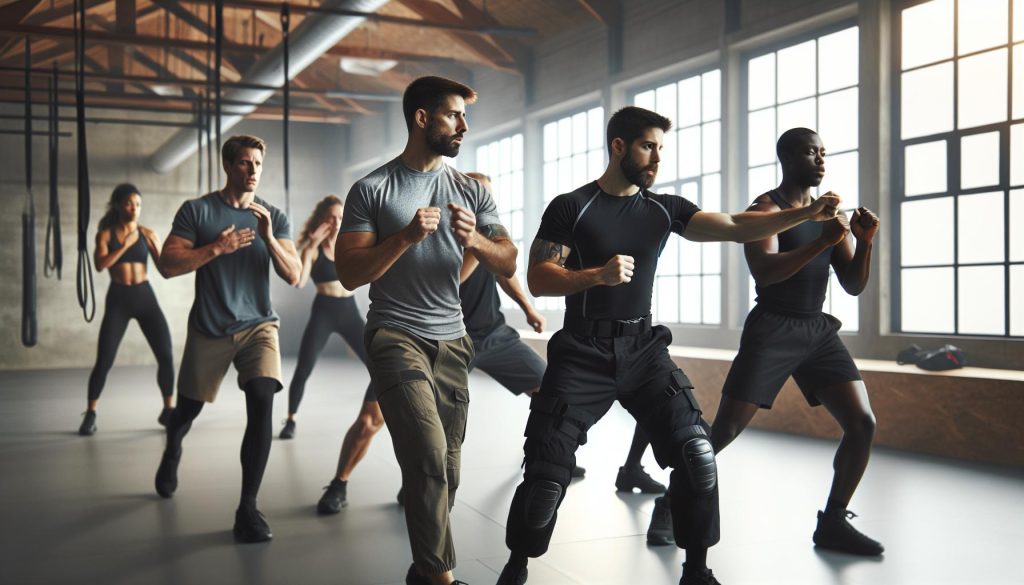
In a Krav Maga class, students can expect an environment that stresses real-world application and practicality. Unlike traditional martial arts, which often include choreographed techniques, Krav Maga focuses on responsive, instinctive movements designed to neutralize a threat quickly. Classes typically begin with a warm-up that emphasizes core strength, agility, and conditioning, laying the groundwork for effective self-defense techniques. As the lesson progresses, participants engage in drills that simulate realistic attack scenarios, targeting areas such as vulnerable body parts to maximize efficacy in a confrontation.
Class Structure and Focus
Students are introduced to basic strikes and defensive maneuvers early on, which are then integrated into more complex scenarios as their skills develop. Classes often incorporate the following elements:
- Technique Practice: Learning to execute techniques such as strikes, blocks, and counters with precision.
- Scenario Training: Engaging in drills that mimic potential real-life attacks, focusing on responding under pressure.
- Conditioning: Incorporating physical fitness to ensure practitioners maintain stamina during stressful situations, as high stress can impact performance.
- Situational Awareness: Training to recognize and assess threats before they escalate, reinforcing the importance of de-escalation.
Mindset and Ethics in Training
A critical aspect of Krav Maga training is developing the right mindset. Instructors emphasize the ethical considerations of self-defense, ensuring students understand the importance of proportional response and knowing when to engage versus when to retreat. Techniques are taught not only for effectiveness in physical encounters but also with a clear understanding of legal implications associated with self-defense. This guidance helps practitioners appreciate the serious responsibility that comes with the ability to defend oneself.
As students progress, they will encounter more advanced techniques tailored to handle specific situations, including defenses against weapons or multiple attackers. These classes encourage a pragmatic approach, where students are taught not just to defend but also to recognize when de-escalation tactics might be the best course of action. This holistic approach to training helps build confidence while instilling a respect for the legal and moral weight of using force in any situation.
In summary, Krav Maga classes provide a balanced blend of physical skill development, mental preparedness, and ethical training. Students leave equipped to handle threats while understanding the critical importance of safety and legality in real-world confrontations.
Safety and Legal Implications of Self-Defense
Understanding the is crucial for anyone training in Krav Maga or any self-defense system. Engaging in self-defense does not grant individuals absolute freedom to use force without consequence; rather, it comes with significant responsibilities. The legal justification for self-defense hinges on the principles of necessity and proportionality. This means that any defensive action taken must be necessary to avert an immediate threat and proportionate to the aggression faced.
Legal Standards for Self-Defense
In many jurisdictions, the laws surrounding self-defense can differ significantly. It is essential to familiarize yourself with state-specific statutes and case law that define when and how self-defense can be justifiably employed. Generally, a few common elements include:
- Immediacy of Threat: The threat must be immediate; past aggressions are not valid grounds for current defensive actions.
- Proportional Response: The level of force used must correspond to the threat. For instance, using deadly force against a non-lethal attack could lead to legal repercussions.
- Duty to Retreat: Some states require individuals to attempt to retreat from a threatening situation, if safely possible, before resorting to force.
Understanding these elements is vital for Krav Maga practitioners to avoid potential legal troubles following a self-defense incident.
Ethical Considerations
Ethics play a significant role in any self-defense training program. Krav Maga emphasizes responsible use of force, focusing on self-defense as a last resort. Practitioners are taught to prioritize de-escalation tactics, which aim to diffuse situations before they become violent. This approach is not only a sound strategy but also a legally prudent one. When practitioners demonstrate that they have made genuine efforts to avoid conflict, they bolster their defense in case of legal scrutiny.
In real-world scenarios, such as an aggressive confrontation, an instinctive reaction might prompt engagement. However, it’s essential to evaluate the situation critically-ask yourself whether the level of threat justifies the response. This critical assessment can mean the difference between a justified self-defense claim and potential criminal charges.
Examples and Guidance
Consider a common realistic scenario: someone approaches you aggressively on the street demanding your belongings. A properly trained Krav Maga practitioner might initially use verbal de-escalation techniques, signaling the aggressor that they do not wish to engage. If the situation escalates to physical violence, a measured response-targeting vulnerable areas to create an opportunity to escape-might be legally defensible.
Krav Maga’s focus on instinctive reactions is beneficial, but it is equally critical to recognize when to disengage. Self-defense training should always include discussions about these realities, reinforcing the notion that preparation extends beyond physical techniques to encompass psychological, ethical, and legal preparedness.
By staying informed about both the legal landscape and ethical responsibilities of self-defense, practitioners can train effectively while being mindful of the consequences of their actions in real-world situations.
Real-Life Scenarios: When Krav Maga is Applicable
In today’s unpredictable world, the ability to defend oneself against potential threats is more critical than ever. Krav Maga, developed by the Israeli Defense Forces, is designed for real-world situations, offering practical techniques for various confrontations. Real-life scenarios in which Krav Maga can be applicable often involve everyday encounters that escalate into potential violence, highlighting the importance of both physical skills and mental preparedness.
A classic situation might involve walking alone at night when someone approaches you aggressively, demanding money or possessions. In such a case, de-escalation is key-a trained practitioner may respond verbally to signal disinterest in a confrontation and suggest moving on. If the aggressor’s approach becomes physically threatening, Krav Maga emphasizes striking vulnerable areas, such as the eyes, throat, or groin. These targeted maneuvers are intended to create an opportunity to escape rather than prolong the conflict. Importantly, the response must align with the threat level-using excessive force could lead to serious legal consequences.
Another common scenario involves facing an attacker attempting to grab or restrain you. Here, awareness and quick reflexes play a vital role. Practitioners are taught to break free by leveraging their body movements and using traditional Krav Maga techniques to disengage. This training underscores the philosophy that staying calm under pressure can empower individuals to make smart decisions-recognizing the difference between a momentary confrontation and a serious threat can help prevent unnecessary harm.
Krav Maga also addresses situations involving multiple attackers or weaponized confrontations. Practitioners learn to assess their environment, use available objects for defense, or escape effectively. Training involves simulations that build real-world instinctive reactions, enhancing confidence in handling chaos during an urgent scenario. This preparation is not solely physical; understanding the legality of self-defense actions is paramount, as practitioners must be aware of local laws regarding the use of force and weapons.
Overall, Krav Maga’s applicability in real-life scenarios revolves around the principles of de-escalation, proportional response, and environment awareness. Practitioners not only equip themselves with powerful techniques but also cultivate a mindset that prioritizes safety, ethics, and the avoidance of violence whenever possible. This comprehensive approach empowers individuals to protect themselves, understanding that the goal of self-defense is to survive and escape, not to engage in combat.
The Role of Mental Preparedness in Krav Maga
In high-stakes self-defense situations, the mind plays an equally critical role as mastering effective physical techniques. Mental preparedness forms the backbone of a practitioner’s ability to respond to threats, helping to transform fear into focus. Through comprehensive mental conditioning, practitioners equip themselves to react instinctively under pressure, turning panic into calculated responses. This mindset not only influences performance during personal defense but also aligns with ethical considerations regarding the use of force.
Understanding that confrontations can escalate in seconds, Krav Maga emphasizes the significance of mental rehearsal and visualization techniques. By systematically imagining real-world scenarios, individuals can develop their confidence and decision-making skills, which are essential in moments of crisis. Just like a seasoned athlete visualizes their performance before a competition, Krav Maga practitioners rehearse their responses to potentially violent encounters. This preparatory practice cultivates not only physical responses but also mental clarity, crucial for assessing situations quickly and deciding the best course of action.
Moreover, the mental attitudes fostered through Krav Maga training go beyond just self-defense. They contribute to overall mental toughness and resilience, empowering individuals to face various life challenges with greater confidence. Training to stay calm during a confrontation builds a habit of maintaining composure, which extends into everyday life, enhancing one’s ability to handle stress and adversity. Practitioners learn to evaluate threats accurately, allowing them to de-escalate situations whenever possible-a fundamental aspect of Krav Maga philosophy.
Staying mentally prepared also involves understanding the legal context of self-defense actions. Recognizing the laws surrounding proportional response can impact decision-making during a confrontation. Knowledge of what can be legally justified-such as the level of force in response to an aggressor-coupled with mental preparedness, ensures a sense of responsibility in high-pressure scenarios. This understanding reinforces the ethical use of self-defense, allowing practitioners to prioritize escape and de-escalation over engagement. Mental preparedness in Krav Maga, therefore, is not just about being able to defend oneself physically; it is about embodying a mindset that values safety, legality, and ethical decision-making in all aspects of confrontation.
Krav Maga Techniques: Basics vs. Advanced Skills
In the realm of self-defense, understanding the distinction between basic and advanced techniques in Krav Maga is crucial for effective personal safety. Krav Maga is distinct in its approach, focusing on practical techniques that address real-world situations. At its core, the foundational skills are designed to enable practitioners to defend themselves quickly and effectively against various threats, ranging from unarmed attackers to those armed with weapons.
Basic Techniques: The Foundation of Self-Defense
Basic techniques in Krav Maga include fundamental strikes, blocks, and defensive maneuvers that form the building blocks of self-defense. These techniques are straightforward, making them accessible even to those with little to no martial arts experience. Examples include:
- Front Kick: Used to target an attacker’s groin, maximizing impact while keeping oneself at a safe distance.
- Elbow Strikes: Effective in close-quarters situations, they deliver strong blows without the need for precise footwork.
- Defensive Blocks: Techniques such as high blocks or low blocks help deflect incoming attacks and set up counter-attacks.
These basic skills are critical not only for their effectiveness but also for preparing practitioners mentally. Each movement reinforces the importance of responding decisively and maintaining composure during confrontations.
Advanced Skills: Refining and Expanding Techniques
Advancing in Krav Maga involves honing these basic skills into more complex maneuvers and integrating them into realistic scenarios. Advanced techniques often involve a combination of strikes, footwork, and situational awareness. For instance:
- Weapon Defense: Learning to disarm an attacker with a knife or gun, which requires precise timing and understanding of the weapon’s mechanics.
- Countering Multiple Attackers: Techniques that allow a practitioner to efficiently navigate encounters with more than one assailant.
- Ground Defense: Skills designed to protect oneself when taken to the ground, focusing on escape and realigning for an advantageous position.
Advanced skills demand additional training and experience, as they require practitioners to not only execute techniques but also assess threats quickly and decide on the best course of action. This complexity emphasizes the necessity of controlled environments to practice effectively, as real-world situations are inherently unpredictable.
The journey from basic to advanced skills in Krav Maga is more than just physical training; it also involves developing a mental framework that prioritizes safety and the legal implications of self-defense actions. Practitioners must learn that engaging in any form of self-defense comes with responsibilities, particularly in understanding the legal definitions of “reasonable force” in their jurisdiction. Hence, comprehensive training in both techniques and legal awareness ensures that practitioners can protect themselves while respecting their ethical and legal boundaries.
Instructors and Schools: Choosing the Right Krav Maga Program
Choosing the right Krav Maga program is crucial for effectively enhancing your self-defense skills and understanding the legal implications of using those skills in real-life situations. There are numerous schools and instructors available, but not all offer the same quality of training. It’s vital to find a program that emphasizes safety, legality, and ethical use of force, rather than merely boasting about combat effectiveness. Research shows that effective self-defense training is rooted in real-world applications, and proper instruction is essential for building confidence and competence.
When evaluating potential Krav Maga schools, here are some factors to consider:
Instructor Qualifications
- Experience and Certification: Look for instructors with recognized certification from reputable Krav Maga organizations. This ensures they have undergone formal training and have the experience necessary to teach effectively.
- Background in Self-Defense: Instructors with real-world experience, such as law enforcement or military backgrounds, can provide invaluable insights into practical applications of techniques.
- Teaching Style: A good instructor should be patient, encouraging, and capable of adapting their teaching methods to suit different learning styles. Observing a class can help you gauge their teaching effectiveness.
Curriculum Focus
- Real-World Application: Ensure the program focuses on techniques applicable in realistic scenarios, which means prioritizing situational awareness and de-escalation strategies alongside physical techniques.
- Legal Education: A responsible program includes discussions about legal implications surrounding self-defense. Understanding your rights and obligations when it comes to using force is essential.
- Safety Protocols: An effective program should have safety measures in place during training, such as protective gear and controlled environments for practicing techniques.
Class Environment
- Community and Culture: A supportive environment fosters learning. Look for schools where respect and mutual support are emphasized among students. A positive atmosphere can significantly enhance the training experience.
- Class Size: Smaller class sizes often lead to more individualized attention and ensure you receive proper feedback and guidance on your techniques, which is vital for mastering skills safely.
Investing time in researching and visiting potential schools will help you find a Krav Maga program that not only develops your physical skills but also prepares you mentally for real-life confrontations. Making informed choices will empower you to defend yourself responsibly and effectively when it matters most, while respecting the legal and ethical dimensions of self-defense.
The Impact of Fitness on Krav Maga Effectiveness
Fitness plays a crucial role in the effectiveness of Krav Maga as a self-defense system. The demands of real-world confrontations can be physically taxing, and being fit enhances not only endurance but also strength, agility, and overall performance in high-pressure situations. A fitter individual is more capable of executing techniques effectively and recovering quickly, which can mean the difference between successfully defending oneself and succumbing to an attack.
Being physically fit allows practitioners to sustain prolonged engagements, as real confrontations can be longer and more grueling than depicted in movies or training scenarios. Strength supports powerful strikes and successful grappling, while cardiovascular endurance ensures that a person can maintain their stamina throughout the encounter. Moreover, improved flexibility can enhance a practitioner’s ability to evade attacks and execute techniques from unconventional positions, contributing to an adaptive response in dynamic situations.
Integrating Fitness into Your Training
To maximize the effectiveness of Krav Maga training, consider incorporating various elements into your fitness regimen:
- Cardio Training: Activities like running, cycling, or skipping rope can improve your cardiovascular stamina, providing you the ability to perform under duress.
- Strength Training: Focus on compound movements like squats, deadlifts, and push-ups that build overall body strength, which is vital when defending against physical assaults.
- Flexibility Drills: Yoga or dedicated stretching routines can improve your range of motion, aiding in executing kicks and avoiding injuries.
- Agility Exercises: Incorporate drills that enhance quickness and coordination, such as ladder drills or cone sprints, making it easier to react and reposition in an altercation.
Mental Fitness and Resilience
Beyond physical capabilities, mental fitness-the ability to remain calm and focused under stress-is equally important. Training in Krav Maga not only builds physical skills but also enhances mental resilience. Engaging in scenarios that simulate high-pressure situations can improve your decision-making skills and emotional control. This mental preparedness can deter an assailant when they sense confidence and composure, potentially avoiding the need to engage physically.
Ultimately, while Krav Maga is designed to be practical and effective, the impact of overall fitness on its effectiveness cannot be overstated. Committing to a comprehensive fitness plan fosters the physical capabilities needed to implement your training effectively and prepares you for real-world scenarios where composure and strength matter significantly.
Critiques of Krav Maga: Common Arguments Examined
Critics of Krav Maga often point to its perceived lack of depth and practical application compared to traditional martial arts or combat sports, which frequently incorporate elements like sparring, competition, and intricate techniques. Detractors argue that many practitioners focus on flashy moves rather than the technical precision needed for real-world self-defense situations. This can lead to a disparity in skill levels among instructors and students, contributing to a negative perception of its effectiveness in life-threatening scenarios. Understanding these critiques is essential for anyone considering Krav Maga as their chosen method of self-defense.
One common argument against Krav Maga is its emphasis on “quick and dirty” techniques that may not have the same refinement as techniques found in other martial arts. Critics often assert that this approach may overlook the importance of foundational skills and proper body mechanics, which can be crucial in high-stress situations. However, it’s essential to recognize that Krav Maga is designed to provide practical solutions for real-world confrontations rather than focusing on competition. While some may see this as a limitation, others appreciate the straightforward nature of its techniques, which prioritize effectiveness over form.
Furthermore, the lack of formalized sparring in many Krav Maga training environments is another point of criticism. Others argue this limits a student’s ability to experience the unpredictability and stress of real-world encounters. While it may appear to diminish the practitioner’s preparedness, advocates suggest that scenario-based training and controlled drills can adequately prepare a student for self-defense situations by simulating real attacks and emphasizing situational awareness.
Despite the critiques, it’s crucial to remember one of Krav Maga’s core tenets: adaptability. Its practitioners are trained to respond to a variety of scenarios and threats, making adjustments based on the environment and the assailant’s behavior. Thus, while the system faces its share of criticisms, it can also empower individuals to think critically and act decisively in dangerous situations.
In conclusion, like any self-defense system, Krav Maga has both its strengths and weaknesses. It is vital for potential students to evaluate these critiques in conjunction with their comfort levels and specific self-defense needs. A judicious approach, combining awareness of legal parameters, ethical considerations, and practical applications, can significantly enhance one’s training experience and preparedness for real-world confrontations.
Q&A
Q: Is Krav Maga practical for self-defense in real life?
A: Yes, Krav Maga is designed for real-world self-defense situations. Its techniques are based on instinctive movements and focus on ending confrontations quickly. With its emphasis on situational awareness and practical skills, practitioners can effectively protect themselves against various threats.
Q: What are the main criticisms of Krav Maga?
A: Krav Maga faces criticism for its perceived lack of structure compared to traditional martial arts. Some argue that it may not teach the discipline or philosophy associated with other styles. However, many advocates find value in its straightforward, reality-based approach to self-defense.
Q: How long does it take to become proficient in Krav Maga?
A: Becoming proficient in Krav Maga varies by individual, but consistent training typically leads to noticeable improvement within 3 to 6 months. Regular practice of techniques, sparring, and situational drills enhances skill, confidence, and preparedness in real-world scenarios.
Q: Can Krav Maga be learned by beginners?
A: Absolutely, beginners can successfully learn Krav Maga. Many schools welcome new students regardless of prior experience, focusing on basic techniques and gradually introducing more advanced skills. It’s essential to find a qualified instructor to ensure proper training.
Q: What age group is Krav Maga suitable for?
A: Krav Maga is suitable for a wide range of age groups, including children, teens, and adults. Many programs offer tailored classes for different age brackets, ensuring suitable training intensity and techniques that cater to varying physical capabilities.
Q: How does Krav Maga prepare you mentally for combat?
A: Krav Maga training emphasizes mental preparedness through scenario-based practice and stress drills. This approach not only builds confidence but also teaches practitioners to maintain calm under pressure, making them more effective in real-life confrontations.
Q: Is Krav Maga effective against multiple attackers?
A: While Krav Maga does address situations involving multiple attackers, effectiveness largely depends on the practitioner’s skill level and situation management. Training includes techniques for creating space and escape, as quick decisions and movement are crucial in such scenarios.
Q: How does Krav Maga compare to other self-defense systems?
A: Krav Maga is often seen as more practical and reality-based compared to traditional martial arts, focusing on real-life applications. Unlike systems that emphasize sport or competition, Krav Maga prioritizes self-defense against armed and unarmed attackers in diverse environments.
Key Takeaways
You’ve now uncovered the truth about Krav Maga and its place in real-world combat situations. Whether you seek effective self-defense tactics or are just curious about the principles behind this martial art, remember that pushing your limits in a safe, controlled environment is key. If you’re ready to deepen your understanding, check out our article on the effectiveness of Krav Maga in various scenarios or our guide comparing Krav Maga with Brazilian Jiu-Jitsu for more insights.
Don’t let uncertainty hold you back-take the next step in your self-defense journey today. Join our newsletter for the latest resources and training tips, or explore our online courses to start mastering these techniques with confidence. Engage with us in the comments below; your thoughts matter! By embracing self-defense education, you not only empower yourself but also contribute to a growing community focused on safety and preparedness.