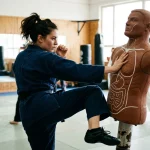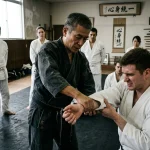
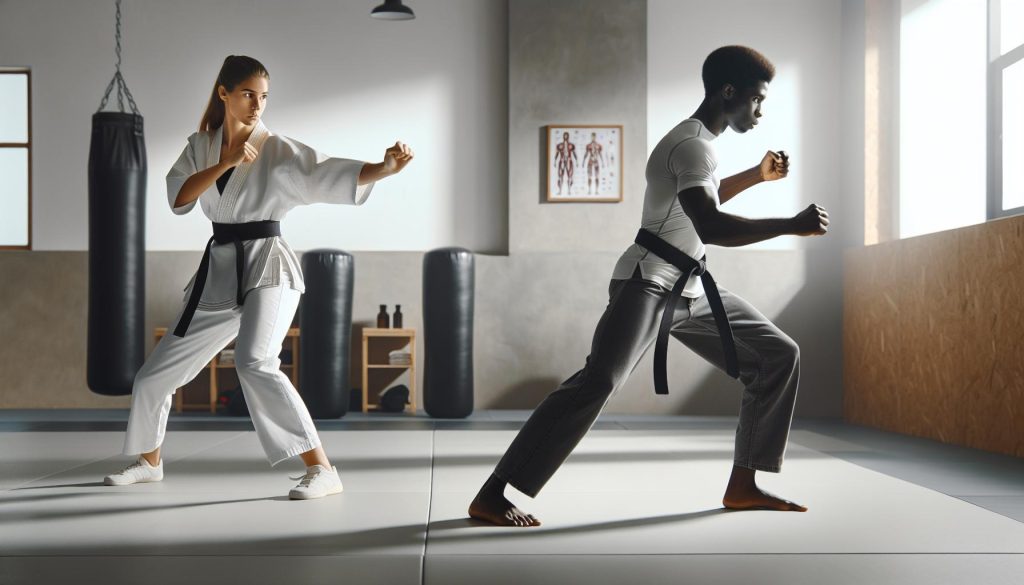
In today’s unpredictable world, self-defense is a crucial skill that can empower you to handle dangerous situations effectively. Krav Maga, a martial art developed for real-life combat scenarios, focuses on practical techniques for defending oneself while emphasizing safety, legality, and ethical considerations in the use of force. If you’re seeking not only to enhance your physical fitness but also to build confidence and improve your situational awareness, understanding the benefits of Krav Maga is essential. This article will explore seven compelling reasons to start training today, helping you to make an informed decision that aligns with your goals of personal safety and empowerment. By the end, you’ll not only appreciate the effectiveness of Krav Maga but also see how it can be a valuable addition to your self-defense toolkit.
Benefits of Krav Maga for Self-Defense
Krav Maga is renowned for its practical and effective approach to self-defense, making it an appealing choice for individuals seeking to enhance their personal safety. Unlike traditional martial arts, which often focus on sport or discipline, Krav Maga prioritizes real-world application, teaching techniques that are designed for immediate effectiveness in a variety of threatening situations. This martial art combines elements of boxing, wrestling, and self-defense against armed and unarmed attackers, equipping practitioners with skills that are directly applicable to everyday life.
One of the significant benefits of Krav Maga is its emphasis on situational awareness, allowing individuals to recognize and avoid potential dangers before they escalate. Training includes instruction on how to de-escalate conflicts verbally and physically, reinforcing that self-defense is about strategic thinking and not just physicality. This aspect is crucial as it fosters a mindset focused on safety and prevention rather than simply reacting to a threat. Practitioners learn to use their environment and techniques that neutralize threats quickly and efficiently, often with an understanding of the legal parameters surrounding self-defense.
Moreover, Krav Maga is designed for everyone, regardless of age or fitness level. The techniques can be adapted to suit individual capabilities, making it accessible while also ensuring that each person can learn how to protect themselves effectively. This inclusivity promotes confidence and empowers individuals by developing their physical skills and mental resilience in the face of potential confrontation. The community aspect of training also fosters unity and support among practitioners, making the learning experience both effective and enjoyable.
Ultimately, the rigorous focus on real-life application, self-awareness, and adaptability makes Krav Maga a transformative practice for many. Those who commit to training not only gain critical self-defense skills but also a greater sense of security and empowerment in their daily lives.
Understanding the Fundamentals of Krav Maga
Krav Maga is not just a martial art; it is a comprehensive self-defense system designed to empower individuals to protect themselves in real-world situations. Originating from the Israeli Defense Forces, this approach stands out by integrating techniques from various fighting styles, including boxing and wrestling, while focusing on practical application. What sets Krav Maga apart is its emphasis on addressing actual threats and fostering an understanding of legal and ethical considerations surrounding self-defense.
One of the core principles of Krav Maga is the concept of situational awareness. Training instills a heightened sensitivity to surroundings, teaching practitioners how to recognize potential dangers and respond proactively. This isn’t just about physical confrontation; techniques for verbal de-escalation are also pivotal. The goal is to diffuse a situation before it escalates into violence, underscoring that self-defense is as much about mind as muscle.
The adaptability of Krav Maga makes it accessible to all, regardless of age or fitness level. Techniques are tailored to accommodate individual capabilities, ensuring that everyone can learn effective self-defense strategies. This inclusivity is crucial, as it builds a supportive community within training environments, where practitioners motivate each other while developing both physical and mental resilience.
By learning Krav Maga, you aren’t merely acquiring self-defense skills; you are embracing a mindset focused on safety and responsible action. Training sessions introduce various scenarios, allowing students to practice responses in controlled environments, thereby preparing them for real-life encounters. Understanding the balance between appropriate force and the legal ramifications of self-defense actions is integral to the training philosophy. This comprehensive approach not only equips practitioners to defend themselves but also helps them develop a deeper respect for the responsibility that comes with such skills.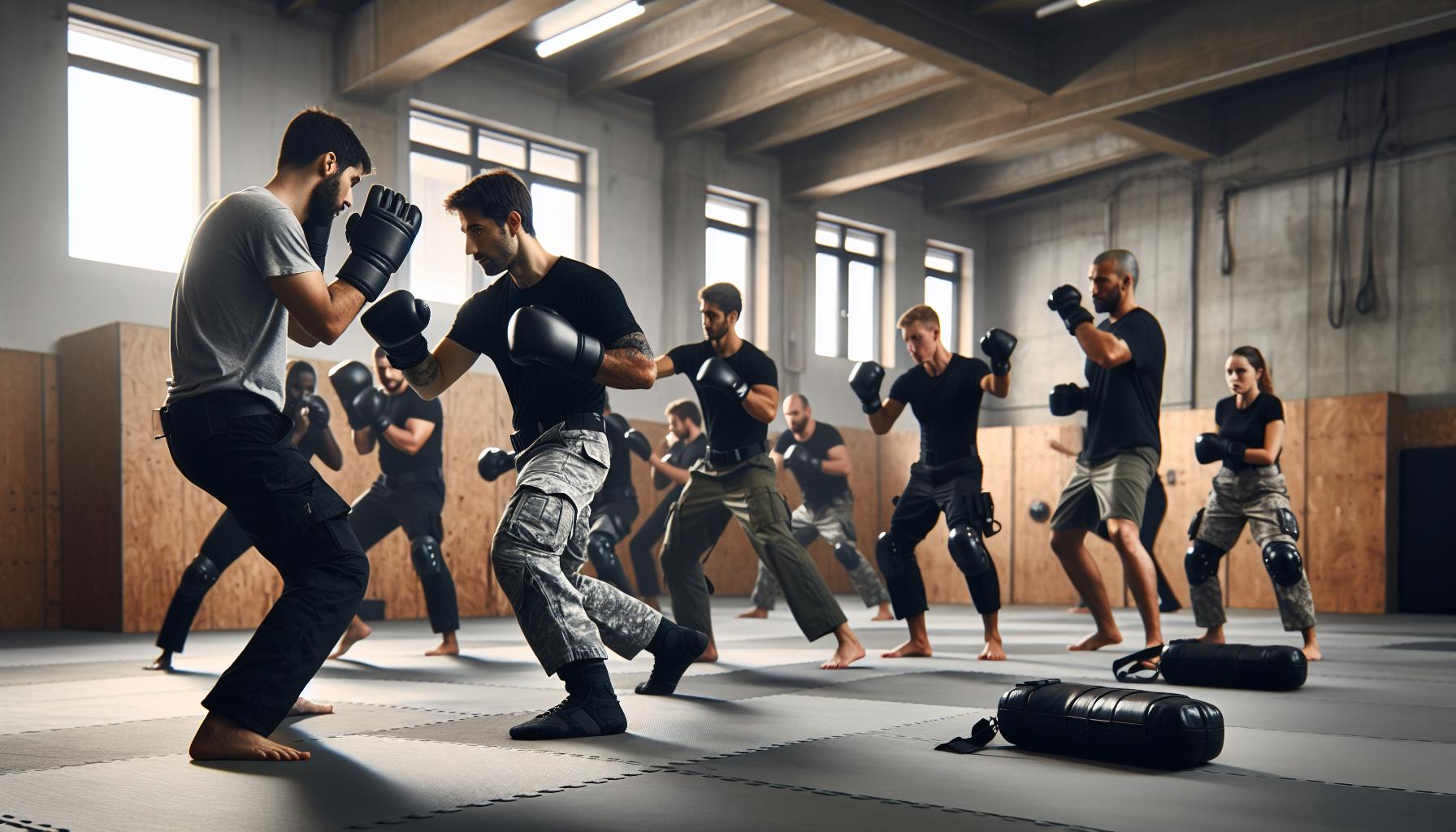
Features of Krav Maga Training Programs
Krav Maga training programs are designed with an emphasis on practicality, making them effective for individuals at any skill level. Unlike traditional martial arts that often adhere to strict forms and routines, Krav Maga prioritizes real-world application. The training emphasizes self-defense techniques that address common threats, which means practitioners learn how to protect themselves from various types of attacks, including those involving weapons.
The structure of Krav Maga classes typically includes a mix of physical conditioning, technique drills, and scenario-based training. Here’s what you can expect from a well-rounded program:
- Physical Conditioning: Classes are designed to enhance your overall fitness, incorporating cardiovascular and strength-building exercises. This prepares your body not only for the techniques but for the demands of real-world confrontations.
- Technique Instruction: Instructors break down specific self-defense moves and strategies, ensuring that every student understands the mechanics. This includes grappling, striking, and escape techniques from various holds.
- Realistic Scenarios: Training goes beyond drills; students practice techniques in controlled, scenario-based situations that simulate potential confrontations. This prepares you for how to respond under pressure.
- Focus on De-escalation: In addition to physical skills, training includes strategies for de-escalating confrontational situations. This is crucial for ensuring that force is used only when absolutely necessary, focusing on the legal and ethical ramifications of self-defense actions.
There’s also a significant focus on situational awareness. Students are taught to recognize potential threats before they escalate, reinforcing the idea that self-defense begins with awareness, not confrontation. Such an approach helps practitioners develop a mindset geared towards personal safety rather than aggression.
Finally, the inclusivity of Krav Maga training programs means they accommodate various fitness levels and ages, fostering a community atmosphere where everyone can learn at their own pace. Whether you’re a seasoned athlete or starting your fitness journey, Krav Maga offers a supportive environment to develop your self-defense skills while building confidence and resilience.
What to Expect in Your First Class
Stepping into your first Krav Maga class can be an exhilarating yet intimidating experience. Understanding what to expect can significantly ease any anxiety and help you focus on the training. From the moment you arrive, it’s essential to know that all levels, including beginners, are welcomed and supported in these classes, fostering an inclusive environment focused on learning and safety.
During your first class, you will likely start with a brief introduction to Krav Maga’s principles, emphasizing self-defense, situational awareness, and de-escalation techniques. This foundational understanding is pivotal, as it situates your physical training within the larger context of personal safety and responsibility. You can expect instructors to discuss the legal implications of self-defense, ensuring you grasp the ethical weight of your training.
As the class progresses, you will engage in warm-up exercises designed to enhance your fitness and readiness. These may involve cardio drills, strength-building activities, and flexibility exercises, tailored to prepare your body for the techniques you’re about to learn. Following the warm-up, instructors will introduce you to basic self-defense techniques, including strikes, blocks, and escapes from common holds. You’ll practice these techniques through a series of drills and partners exercises, providing a hands-on approach that is both practical and engaging.
It’s vital to remember that the focus will not solely be on physical prowess. Krav Maga classes place significant importance on developing a confident mindset and recognizing potential threats before they escalate. Instructors will likely emphasize the value of de-escalating a situation whenever possible, teaching you that physical self-defense should be a last resort. This holistic approach is designed to empower you while also prioritizing your safety and the safety of others.
Overall, your first Krav Maga class will serve not only as an introduction to effective self-defense techniques but also as a means to cultivate awareness and confidence. By participating fully-from warm-ups to technique practice-you’ll find that the synergy of physical and mental training in Krav Maga creates a unique, enriching experience that prepares you for real-world scenarios while grounding your practice in legality and ethics.
Krav Maga vs. Other Martial Arts: A Comparison
Krav Maga stands out in the landscape of martial arts not only for its effectiveness but also for its practical application in real-life self-defense situations. Unlike traditional martial arts, which often emphasize forms, rituals, or competitions, Krav Maga is designed with a singular focus: survival. This system equips practitioners with skills tailored to handle threats and potential attacks quickly and efficiently.
One of the most significant differences between Krav Maga and other martial arts, such as Brazilian Jiu-Jitsu (BJJ) or Karate, lies in its approach to training. Krav Maga emphasizes real-world scenarios, teaching students to defend against various attacks, including armed assaults. In contrast, BJJ focuses primarily on ground fighting and submissions, which may leave practitioners less prepared for standing confrontations or multiple attackers. Karate, with its emphasis on forms and point fighting, may not sufficiently prepare practitioners for the chaotic nature of a street altercation.
Additionally, the training philosophy in Krav Maga incorporates situational awareness and de-escalation techniques, aiming to prevent violence before it occurs. Where some martial arts may promote a more combative mindset, Krav Maga instructors prioritize conflict resolution and understanding the legal implications of self-defense. This holistic approach fosters not only physical skills but also mental readiness, making practitioners more adept at navigating high-pressure situations.
In practical terms, Krav Maga training is adaptable for individuals of all fitness levels. The emphasis is on empowering students to respond effectively while maintaining the principles of proportional response and legal boundaries. Instructors guide students through realistic scenarios that mirror potential threats, providing the necessary tools to respond confidently and safely. These factors position Krav Maga as a compelling option for anyone interested in self-defense, highlighting its practical application compared to other martial arts.
Real-Life Scenarios for Krav Maga Application
In today’s world, understanding how to effectively respond to real-life threats is essential for personal safety. Krav Maga teaches practitioners to respond to a variety of scenarios that could occur in everyday life. This martial art emphasizes practical techniques that are designed to neutralize threats quickly and effectively, giving individuals the confidence they need to protect themselves in high-pressure situations.
One common real-life scenario is dealing with an attempted mugging. Krav Maga instills the importance of situational awareness, allowing individuals to recognize potential dangers before they escalate. For example, if someone finds themselves in a dark parking lot and notices a suspicious figure approaching, Krav Maga techniques can be utilized to escape or defend against an attacker. Practitioners learn how to effectively use their body weight and environment-instead of brute strength-to execute swift counterattacks or escape.
Another critical scenario involves confrontation with an armed assailant. In such cases, Krav Maga focuses on utilizing strategic moves that can disarm an opponent while minimizing harm. Techniques such as wrist grabs and leverage strikes are taught to neutralize the threat quickly. Importantly, students are educated on the legal implications of their actions, ensuring they understand the significance of proportionate response and the ethical use of force in self-defense situations.
Furthermore, Krav Maga prepares practitioners for multiple attackers, which is a more realistic threat than many traditional martial arts acknowledge. Strategies such as maintaining a safe distance and using quick, effective strikes to incapacitate one attacker while creating an exit path are vital skills taught in training. Practitioners practice these scenarios under controlled environments, which builds muscle memory and confidence. This preparation helps students feel less anxious and more empowered to handle sudden confrontations that could arise in public spaces.
With the emphasis on practical skills, realistic training scenarios, and a solid understanding of legal boundaries, Krav Maga emerges not only as effective self-defense but also as a proactive approach to personal safety. It empowers individuals to come out on top in potentially dangerous situations while fostering a responsible mindset regarding violence and self-defense.
The Importance of Safety and Legal Awareness
Understanding the legal parameters surrounding self-defense is crucial for anyone considering Krav Maga training. Engaging in self-defense techniques entails not only physical readiness but also a solid grasp of legal responsibilities and moral implications. This knowledge empowers practitioners to make informed choices during high-stress situations, aligning actions with self-defense laws typical in their state.
Krav Maga training emphasizes de-escalation strategies as a first approach in potential confrontations. Recognizing that violence should never be the first response helps mitigate risks. For instance, practitioners are taught to assess situations thoroughly and seek to avoid confrontation when possible. Understanding the proportionality of force is essential; using a technique that matches the threat level ensures that responses remain legally justified. Overstepping this boundary, such as using excessive force against an unarmed assailant, can lead to serious legal consequences.
Moreover, students are guided on the local laws regarding self-defense, including aspects surrounding the use of force, the duty to retreat, and the implications of acting in defense of others. These legal nuances vary by jurisdiction, making state-specific training invaluable. For example, in some places, you may have a legal obligation to retreat from a threat if it’s safe to do so, whereas other states adopt a “stand your ground” approach.
In practical terms, understanding the legal landscape can help practitioners navigate real-world conflicts effectively. By reinforcing the importance of legal awareness in training, Krav Maga programs produce not only skilled fighters but also responsible citizens who recognize the weight of their actions. This holistic approach instills confidence and capability, preparing students to handle confrontations that may arise while respecting both their safety and the law.
Krav Maga Training for All Ages and Fitness Levels
Krav Maga is uniquely designed to accommodate individuals of all ages and fitness levels, making it an ideal choice for anyone interested in self-defense. Unlike many traditional martial arts that may require years of training to reach a basic level of proficiency, Krav Maga focuses on practical techniques that can be learned and applied quickly. This accessibility lowers barriers, enabling participants to engage with the material and gain confidence immediately.
Training typically begins with fundamental movements and gradually introduces more complex scenarios. This stepwise approach allows practitioners, whether they are children, seniors, or individuals with varying physical abilities, to progress at their own pace. Classes are often structured with adaptations for different fitness levels, ensuring that everyone can participate without feeling overwhelmed or discouraged. Instructors emphasize that technique and strategy often outweigh brute strength, enabling individuals to defend themselves effectively, regardless of their size or fitness.
Moreover, the principles taught in Krav Maga extend beyond physical techniques. Practitioners learn vital strategies for de-escalation and situational awareness, equipping them with skills that are useful in everyday encounters. These skills are especially important for younger students who may face bullying or harassment, as well as for older participants who may feel vulnerable in certain situations. By empowering students to make informed decisions in uncomfortable scenarios, Krav Maga fosters both physical and emotional resilience.
In addition, the community aspect of Krav Maga training can significantly enhance the experience for participants of all ages. Students support each other, creating a camaraderie that enhances their dedication and commitment. Whether one is looking to improve personal safety, gain fitness, or simply meet new people, Krav Maga offers a comprehensive platform for growth. The result is a training environment that nurtures respect, personal development, and empowerment through practical self-defense skills suitable for everyone.
Common Myths About Krav Maga Debunked
Many misconceptions surround Krav Maga, often leading to confusion about its practices and principles. One of the most prevalent myths is that Krav Maga promotes violence or aggression. In reality, this self-defense system emphasizes de-escalation techniques and using the minimum necessary force to protect oneself. Practitioners learn to assess situations and avoid confrontation wherever possible, embodying the principle that the best fight is the one that is avoided.
Another common belief is that Krav Maga is suited only for the physically fit or those with a background in martial arts. This is far from the truth. Krav Maga is designed to be accessible to individuals of all ages, sizes, and fitness levels. The training focuses on practical techniques that can be executed effectively regardless of one’s physical condition. For instance, the system teaches how to use an attacker’s force against them, minimizing the need for brute strength.
Some individuals may think that Krav Maga training is overly brutal or violent. While it is true that the techniques are realistic and incorporate scenarios that might occur in real-life confrontations, the training environment prioritizes safety and responsibility. Instructors emphasize controlled training sessions, ensuring that all practice is performed with a focus on safety and respect for one another. This creates an atmosphere where students can develop their skills without fear of injury or excessive aggression.
Lastly, there is a belief that mastering Krav Maga requires years of intensive commitment before one can effectively defend themselves. Krav Maga focuses on teaching practical self-defense techniques quickly, enabling practitioners to apply their skills in real situations. While ongoing training is essential for refinement and growth, even beginners can learn valuable self-defense techniques within their first few classes, making it an appealing choice for those seeking immediate empowerment in their personal safety journey.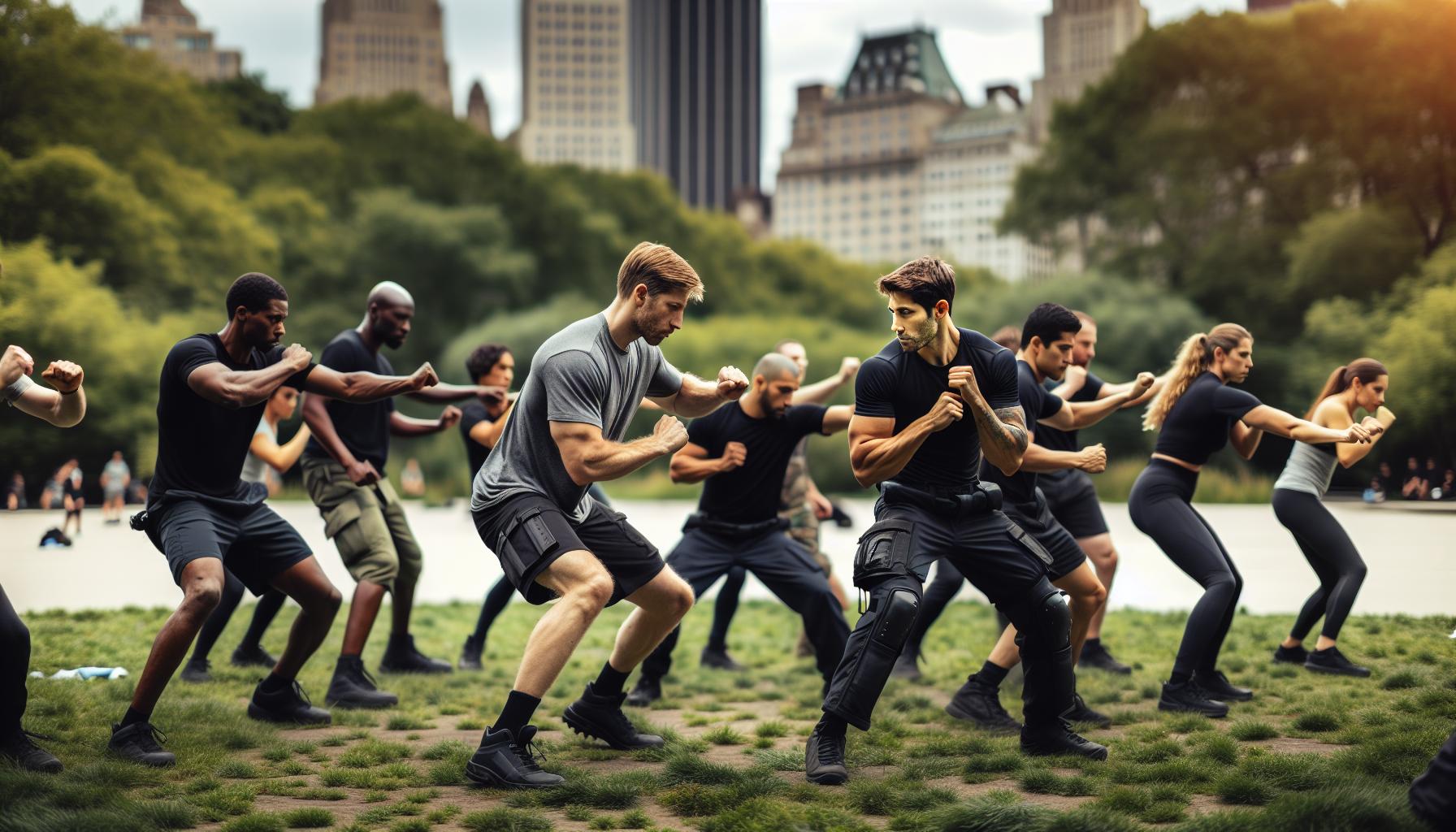
Success Stories: How Krav Maga Changed Lives
Krav Maga has transformed countless lives, providing individuals with the skills and confidence they need to navigate real-world dangers effectively. Each success story showcases not just physical transformation but also profound mental and emotional growth. Many practitioners began their journey seeking basic self-defense skills but found much more-they discovered empowerment, resilience, and a supportive community.
For instance, consider the story of Lisa, a 32-year-old mother of two who joined a Krav Maga class after experiencing verbal harassment in her neighborhood. Initially apprehensive, Lisa quickly developed both her physical skills and mental acuity. Her instructors emphasized not just techniques, but also situational awareness and de-escalation strategies. Over time, Lisa not only learned how to defend herself but also regained her sense of security and independence. This newfound confidence spilled over into other areas of her life, improving her relationships and work performance.
Similarly, John, a 45-year-old corporate executive, started training to regain fitness after years of a sedentary lifestyle. What he hadn’t anticipated was the camaraderie and support he would find in the dojo. The challenges posed by the training helped him shed not just physical weight but also stress and anxiety. As he mastered techniques, John became a mentor for newer students, reinforcing the idea that Krav Maga isn’t just about self-defense; it’s about building a community and helping others find strength and resilience.
Key Benefits of Training
- Empowerment: Many students, like Lisa, report feeling empowered as they learn to defend themselves effectively.
- Confidence Building: Training provides a significant boost in self-confidence and personal safety awareness.
- Community Support: Students often find a supportive network that encourages growth both on and off the mat.
- Physical Fitness: Regular training leads to improved physical health, stamina, and strength.
These stories highlight the transformative power of Krav Maga. Practitioners learn to confront not just the physical threats they might face but also their own fears and insecurities. Each class provides a balance of respect for safety and the urgency of preparation, ensuring that students are well-equipped to handle confrontations, should they arise. Ultimately, Krav Maga advocates for personal safety while emphasizing the importance of ethical and responsible self-defense.
Finding the Right Krav Maga School Near You
Finding a suitable Krav Maga school is crucial for anyone looking to enhance their self-defense skills effectively. Your training environment can significantly influence your experience and outcomes. Start by researching local schools to assess their credentials and instructors’ qualifications. Look for instructors who emphasize safety, situational awareness, and ethical use of force. A well-rounded Krav Maga program should prioritize de-escalation techniques along with physical training.
When evaluating potential schools, consider visiting classes to observe the dynamics. Pay attention to how instructors engage with students, particularly regarding technique corrections and encouragement. A welcoming atmosphere helps build confidence, especially for beginners. Additionally, inquire about class sizes; smaller classes typically allow for more personalized attention, which is crucial for mastering techniques safely and effectively.
Another important aspect is the school’s philosophy towards training. Ensure it aligns with your goals-whether you’re seeking fitness, self-defense skills, or both. Look for reviews and testimonials from current and former students to get a sense of their experiences. Many successful practitioners highlight the importance of a community supportive of personal growth and resilience, which is often fostered in well-established schools.
Lastly, don’t forget to ask about the school’s approach to legal awareness regarding self-defense. Understanding the legal implications of using Krav Maga techniques is essential for responsible practice. A reputable school should address these matters openly, preparing you not just physically, but also mentally for real-world applications. Finding the right fit for your training can set the foundation for a transformative journey in self-defense and personal empowerment.
Tips for Staying Committed to Your Training
Staying committed to your Krav Maga training can be challenging, especially when life gets busy. However, nurturing your passion for self-defense and maintaining a consistent routine is key to reaping the full benefits of your training. A solid strategy to stay on track includes setting clear, achievable goals. Whether your aim is to gain fitness, learn specific techniques, or prepare for a self-defense situation, having a defined purpose helps to sharpen your focus and limit distractions.
Incorporate training into your lifestyle by establishing a consistent schedule that fits seamlessly into your daily routine. Consider keeping a training journal to monitor your progress and reflect on what you learn. This practice not only enhances retention but also builds a sense of achievement as you observe your advancement over time. Practicing at home, even with basic movements, can further reinforce skills and keep you engaged. Involving friends or family in your training can also enhance enjoyment and accountability.
Building a supportive community is invaluable. Surround yourself with fellow students and instructors who encourage each other in their journeys. This camaraderie can boost your motivation, especially during challenging times. Attend workshops or seminars to broaden your network and absorb new perspectives from different instructors. Sharing experiences with others often fosters a deeper commitment to your own training.
Lastly, remind yourself regularly of the personal empowerment that comes from your Krav Maga practice. Reflect on the skills you’ve acquired and how they contribute to your confidence and safety. Understanding the serious legal and ethical implications of self-defense should encourage responsibility and thoughtful application, further enhancing your commitment. Emphasizing safety and de-escalation in practice not only protects you but reinforces a philosophy that aligns with the core values of Krav Maga training.
Frequently asked questions
Q: What is the main purpose of Krav Maga training?
A: The main purpose of Krav Maga training is to equip individuals with effective self-defense techniques suitable for real-life situations. It focuses on practical responses to threats, emphasizing defense against armed and unarmed attackers. This approach enhances confidence and personal safety skills, making it ideal for anyone looking to protect themselves.
Q: How can Krav Maga improve my physical fitness?
A: Krav Maga enhances physical fitness by combining cardio, strength training, and agility exercises. Training sessions often include intense drills and sparring, which boost endurance, flexibility, and muscle tone. Regular practice leads to improved physical health, making it an excellent way to stay fit while learning self-defense.
Q: Is Krav Maga suitable for beginners?
A: Yes, Krav Maga is highly suitable for beginners. Classes typically cater to all skill levels, emphasizing fundamental techniques that anyone can learn. Instructors provide a supportive environment where newcomers can progressively build their skills without feeling overwhelmed.
Q: What age groups can practice Krav Maga?
A: Krav Maga can be practiced by individuals of all ages. Many schools offer specialized classes for children, teens, and adults, ensuring age-appropriate training methods. This inclusivity makes Krav Maga appealing for families looking to learn self-defense together.
Q: How does Krav Maga compare to traditional martial arts?
A: Unlike traditional martial arts, which often focus on forms and competition, Krav Maga emphasizes real-world self-defense techniques. It prioritizes quick, effective responses over complex movements, making it a practical choice for self-defense training. This approach is particularly beneficial for those interested in immediate application.
Q: Can women benefit from Krav Maga training?
A: Absolutely! Women can greatly benefit from Krav Maga training as it empowers them with self-defense skills tailored to counter various threats. Training enhances confidence, physical fitness, and the ability to react decisively in dangerous situations, making it a valuable experience.
Q: What should I wear to my first Krav Maga class?
A: For your first Krav Maga class, wear comfortable athletic clothing that allows freedom of movement. Consider wearing close-fitting pants and a moisture-wicking shirt, along with appropriate footwear, such as athletic shoes. Avoid jewelry, as you want to reduce the risk of injury during training.
Q: Are there any safety precautions to consider in Krav Maga?
A: Yes, safety is paramount in Krav Maga training. Always follow your instructor’s guidance, use protective gear during sparring, and be mindful of your physical limits. Understanding legal implications of self-defense practices is also crucial. This ensures your training is both effective and responsible.
The Conclusion
If you’re considering taking up Krav Maga, now is the perfect time to act. With its focus on real-world self-defense, fitness, and building mental resilience, training can empower you in ways you might not expect. Remember, this is more than just a sport; it’s a comprehensive approach to personal safety and well-being. Whether you’re looking to boost your confidence or learn essential self-defense skills, the benefits of starting your Krav Maga journey are clear.
To explore more about the techniques introduced in this course, check out our articles on “Top Self-Defense Moves Every Beginner Should Know” and “How Krav Maga Prepares You for Real-Life Confrontations.” Don’t forget to sign up for our newsletter to stay updated with expert tips and upcoming training sessions. Join our community today-your first class could be the transformative step you’ve been waiting for! Your safety and peace of mind are just a decision away.
Get our latest guides, news, and insights highlighted in your Google Search & AI Overviews.