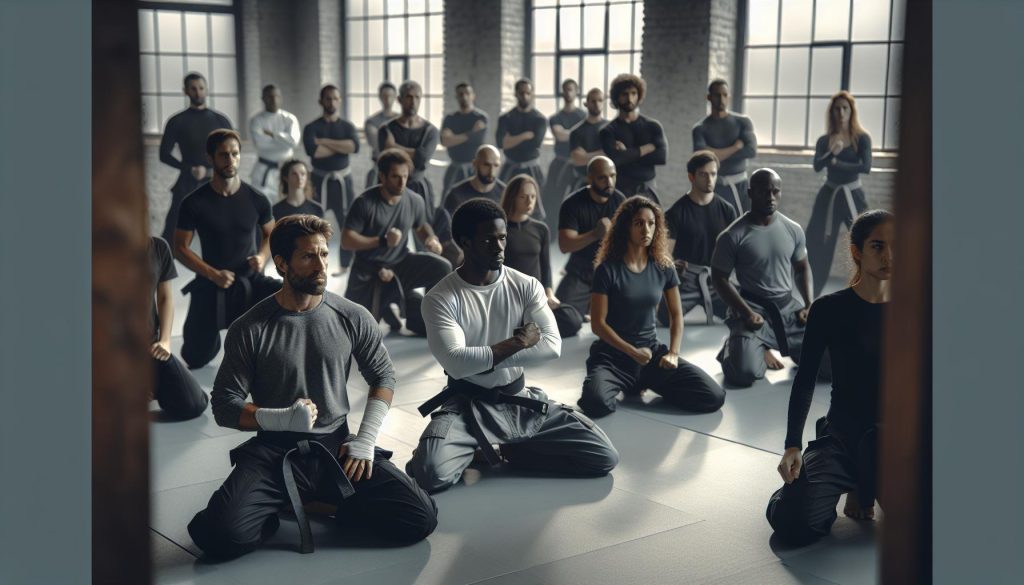
Advancing in Krav Maga is not just about improving physical skills-it’s a journey toward personal empowerment and safety. As you navigate this effective self-defense system, understanding the progression roadmap can significantly enhance your training experience. Whether you’re a beginner or looking to refine your techniques, the right guidance is crucial. Readers often seek clarity on how to measure their advancement and how to set realistic, achievable goals. This roadmap will help you build confidence while ensuring you grasp the legal and ethical responsibilities that come with using self-defense techniques. Prepare to explore essential phases of training, sparring strategies, and practical applications of Krav Maga, ultimately empowering you to protect yourself and others while fostering a mindset focused on de-escalation over confrontation. Your journey to mastery starts here, and with each step, you’ll deepen your understanding and ability.
Choosing the Right Krav Maga School for Your Journey
Choosing the right Krav Maga school is crucial for any aspiring practitioner, as it can significantly influence your learning experience and personal safety journey. Not all schools are created equal; they vary widely in teaching methodology, instructor qualifications, and philosophy toward self-defense. When seeking a school, consider factors such as the credentials of the instructors, the school’s lineage or affiliation with recognized Krav Maga organizations, and their approach to safety and ethical practices. A reputable instructor will emphasize the importance of de-escalation techniques and ensure that students understand the legal ramifications of self-defense actions.
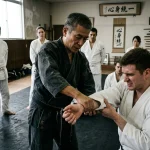
Visit potential schools in person and observe a class if possible. This will give you insight into the school’s environment, the instructor’s teaching style, and the dynamics of the students. Pay attention to how safety protocols are implemented. A responsible school prioritizes effective safety measures to protect students during training while fostering an atmosphere of respect and empowerment. Engaging in conversations with current students can also provide valuable insights into their experiences and the overall community feel.
It is also essential to evaluate the curriculum. Different schools may focus on different aspects of Krav Maga, from practical self-defense techniques to sparring and fitness. Depending on your goals-whether they are personal safety, physical fitness, or competition-you should align your choice of school with your aspirations. Make sure the school offers a structured progression that helps you advance through the skill levels while providing regular assessments to gauge your progress.
Lastly, consider the community aspect. Finding a supportive group is vital in your training. Look for schools that encourage camaraderie and provide opportunities for students to connect outside of classes, such as workshops, seminars, or social events. This not only enriches your training experience but also fosters an environment where you can grow and share knowledge with peers who share your interests in self-defense and personal empowerment.
Understanding the Krav Maga Belt System
Progressing through the Krav Maga belt system is not just about earning a new color; it’s a journey that reflects your growing understanding of self-defense, personal safety, and conflict resolution. In this martial art, belts signify more than just a rank-they represent the skills you’ve mastered and the concepts of safety and legality you’ve internalized. While each school may vary slightly in their ranking structure, the fundamental tenets remain consistent: progression is earned through dedication, practice, and a demonstrated understanding of techniques aligned with ethical self-defense principles.
Krav Maga typically starts with beginner ranks, often marked by colored belts such as white or yellow, and advances through various colors-each indicating a higher level of proficiency. As you move up the ranks, you’ll find that the focus shifts from foundational techniques to more complex concepts, including situational awareness and de-escalation strategies. For example:
- White Belt: Introduction to basic strikes and self-defense against common attacks.
- Yellow Belt: Development of more advanced strikes and defensive tactics against multiple attackers.
- Blue Belt: Emphasis on strategy and understanding the legal implications of self-defense actions.
- Black Belt: Mastery of all skills, teaching abilities, and a deeper understanding of real-world applications.
Advancement often requires demonstrating a comprehensive ability to apply skills effectively in controlled sparring situations, which encourages not only physical practice but also critical thinking and strategic planning in real scenarios. Sparring provides a safe environment to apply techniques, but it also reinforces the importance of de-escalation and the ethical use of force. As you progress, you’ll engage in more discussions about the psychological aspects of confrontation, which is crucial for any self-defense practitioner.
In addition to technical progression, emotional and ethical considerations are critical components of advancing in Krav Maga. It’s vital to recognize that self-defense is not solely about physical ability but understanding the grave legal and moral implications associated with the use of force. As such, schools encourage students to reflect on their training and its real-world contexts, preparing them not just as fighters but as responsible community members. Remember, true advancement in Krav Maga is about evolving into a well-rounded individual who is equipped to face various situations with confidence, skill, and ethical judgment.
Essential Skills for Beginners in Krav Maga
Understanding the essential skills you will develop as a beginner in Krav Maga sets the stage for a successful journey in self-defense. Krav Maga training emphasizes practical techniques that can be quickly learned and effectively applied in real-world situations. As you start your training, focus on fundamental skills that will build a strong foundation for your progression.
One of the first skills you’ll learn is situational awareness. This is the ability to recognize and assess potential threats in your environment. By developing acute observation skills, you enhance your ability to avoid dangerous situations altogether. For example, during training, instructors may simulate common scenarios that require quick thinking and decision-making, teaching students how to read a situation and recognize when to engage or retreat.
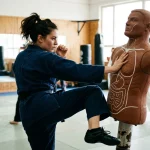
Another critical ability is performing basic strikes and defensive maneuvers. This includes essential techniques such as punches, kicks, and blocks, which form the cornerstone of your self-defense toolkit. Beginners typically practice these strikes repetitively until they can execute them fluidly. Here’s a brief overview of key techniques:
- Stance and Positioning: Learning how to maintain a strong stance helps you balance while striking or defending.
- Punches: Effective punches, like the jab and cross, are vital in both offense and defense.
- Kicks: Kicks can be powerful tools for keeping attackers at bay, with techniques like front and roundhouse kicks.
- Escapes: Knowing how to escape from common grabs or holds is crucial in self-defense.
Integrating de-escalation techniques is equally important. Krav Maga teaches practitioners to evaluate the situation and opt for non-violent resolutions whenever possible. This might include verbal techniques that defuse confrontation before it escalates into physical violence. As you train, emphasizes conversations around the importance of communication and understanding the legal implications of your actions, ensuring you’re not only skilled but also responsible in your self-defense practice.
While technical proficiency is vital, emotional resilience and the understanding of ethical force use play a major role in Krav Maga training. Embrace the idea that confidence comes not merely from knowing how to fight but from understanding when to fight-and when to walk away. This balance is fundamental to thriving as a practitioner and ensures that your progression aligns with the core principles of Krav Maga: safety, responsibility, and respect for oneself and others.
Intermediate Techniques: Expanding Your Arsenal
As you progress in your Krav Maga journey, expanding your arsenal with intermediate techniques is crucial for becoming a more effective and adaptable practitioner. Building upon the foundational skills learned as a beginner, this phase of training emphasizes versatility and the ability to respond to various attack scenarios with confidence and precision.
One of the key areas to focus on is combination techniques. These involve linking multiple movements together to create fluid, natural responses to threats. For instance, transitioning seamlessly between a strike and a defensive maneuver can help you maintain initiative during a confrontation. Practicing combinations, such as jab-cross-kick or block-counter-throw, not only enhances your coordination but also trains your mind to react instinctively in high-pressure situations.
Another critical aspect of this stage is mastering defensive tactics against armed attackers. Understanding how to safely disarm an assailant or effectively evade a weapon involves a thorough grasp of angles and timing. Focus on techniques like redirecting the attacker’s energy or using your body to create distance. Remember, the goal here is not to meet force with more force, but to neutralize the threat while prioritizing your safety.
Situational sparring is also an invaluable tool during your intermediate training. Engaging in controlled sparring scenarios allows you to apply your techniques in realistic environments, improving your adaptability and decision-making skills. Use these sessions to experiment with different strategies and techniques, and seek feedback from your instructors to fine-tune your responses. Always keep in mind the importance of de-escalation and legal considerations-your goal should be to exit a confrontation safely, rather than seeking victory.
By embracing these intermediate techniques, you enhance not only your physical capabilities but also your mental readiness for real-world altercations. This stage of training is about learning to think critically about your defenses and responses, ensuring you’re not just reacting but strategizing in every situation you face.
Advanced Krav Maga Strategies for Experienced Practitioners
As you reach the advanced stages of your Krav Maga training, it essential to refine your strategies and expand your understanding of combat scenarios. This level is not merely about mastering techniques but about integrating mental acuity with physical capabilities. The focus shifts to developing a holistic approach that includes enhanced situational awareness, tactical decision-making, and understanding the ethical implications of your actions.
Strategic Awareness
One of the most critical attributes for advanced practitioners is situational awareness. This involves not just being alert to your surroundings but also understanding potential threats before they escalate. Begin honing this skill by:
- Practicing Environmental Scanning: Regularly train in varied environments to cultivate the ability to identify exits, obstacles, and potential assailants.
- Role-Playing Scenarios: Participate in scenario-based training with partners. This not only enhances your reaction time but also challenges your ability to read body language and cues from assailants.
Understanding where you are and the dynamics around you can be the difference between de-escalation and confrontation.
Proportional Response
Advanced Krav Maga teaches the importance of using appropriate levels of force. In high-stress situations, the temptation to react with overwhelming force can be strong, but maintaining a commitment to proportional response is vital. Here’s how to keep this principle at the forefront:
- Understanding the Law: Familiarize yourself with local laws regarding self-defense. Different jurisdictions offer various protections and limitations regarding the use of force.
- De-escalation Techniques: Always prioritize de-escalation where possible. Verbal jiu-jitsu-using words to diffuse a situation-can minimize the need for physical confrontation.
For instance, when faced with an aggressive verbal altercation, employing calming techniques and respectful communication can often resolve the conflict without physical engagement.
Application of Advanced Techniques
At an advanced level, the focus on technique becomes more intricate. Practitioners should delve into:
- Disarm Techniques: Master the various methods of disarming an armed assailant, such as redirecting their weapon and using leverage to control their movements.
- Counter-Attacks: Develop the ability to counter effectively after absorbing or neutralizing an attack, maintaining initiative and control in the confrontation.
Transfer your skills from the dojo to real-world applications by simulating high-stakes scenarios that require you to think on your feet. Training with resistance can provide insights into how adrenaline affects your ability to execute techniques under stress.
Continuous Learning and Ethics
Finally, remember that advanced training is not solely about what you can do physically. It’s about fostering a mindset of continuous learning and ethical responsibility. Engage with instructors, attend seminars, and participate in advanced workshops to further expand your skill set. Reflect on ethical dilemmas you may face in real-combat situations, analyzing past incidents and discussing them with peers.
Advanced practitioners of Krav Maga must embody the principles of empowerment and responsibility, ensuring they are prepared not just for the fight but also for the moral and legal implications of their actions. By embracing these advanced strategies, you equip yourself to navigate complex confrontations and engage effectively while prioritizing safety and legality.
The Importance of Sparring in Krav Maga Training
Sparring is often considered the bridge between theoretical knowledge and practical application in Krav Maga. It serves as a controlled environment where practitioners can test their skills against a resisting partner, enabling them to experience the unpredictability of real confrontations. Engaging in sparring sessions allows trainees to assess their response to stress and develop their tactical thinking, making it an indispensable element of training.
Through sparring, practitioners gain an understanding of timing, distance, and the physical implications of their techniques. It encases the essence of Krav Maga-acting swiftly and effectively in real-world scenarios. Here are some critical benefits that sparring provides:
- Realistic Application: Unlike static drills, sparring mimics the chaotic nature of an actual encounter. This dynamic environment helps practitioners learn to adapt their techniques and principles in response to a partner’s movements.
- Controlled Pressure: Sparring introduces a level of intensity that regular drills do not replicate. This controlled pressure prepares you physically and mentally, giving you the experience needed to remain composed under stress.
- Feedback Loop: Practicing against an opponent provides immediate feedback on what works and what doesn’t. The ability to learn from each encounter helps refine skills and improve performance over time.
- Building Confidence: By successfully navigating sparring sessions, you build self-confidence in your abilities. This confidence is crucial when applying self-defense techniques outside the training environment.
While sparring can be exhilarating, it’s essential to approach it with a mindset focused on safety and partnership. Setting clear boundaries and agreements with your sparring partner about intensity and targets can prevent injuries and ensure a productive practice. Ensure you’re wearing appropriate protective gear, and always prioritize the well-being of both yourself and your partner.
Lastly, sparring should never glorify violence but should emphasize the principles of de-escalation and proportional response. Practitioners should strive to maintain a mindset that reflects respect for their own skills and those of their partners, understanding that the goal is personal growth and preparedness for any potential real-life encounters. Through consistent sparring, you solidify core concepts while evolving into a more adept martial artist, prepared to handle the complexities of confrontation responsibly.
Evaluating Your Progress: Key Milestones in Krav Maga
Evaluating your journey in Krav Maga is essential not only for measuring progress but also for identifying areas that may require additional focus. Tracking key milestones can help you stay motivated and ensure that your training is aligned with your self-defense goals.
First, consider the foundational skills and techniques you need to master as a beginner. Successfully executing basic strikes, such as punches and kicks, and understanding defensive postures are critical milestones. As you progress to intermediate levels, you’ll expand your repertoire with advanced techniques, including grappling and weapon defenses. Documenting these achievements, whether through progress reports or informal assessments with instructors, will highlight your growth.
In addition to technical skills, self-awareness plays a crucial role in your development. Regularly reflecting on your comfort level during sparring sessions, your ability to respond under pressure, and your understanding of real-world scenarios will provide valuable insight into your advancement. Engage in self-assessment after each class or sparring session, focusing on what worked well and what areas need improvement.
Another significant milestone is progression through the Krav Maga belt system. Each belt signifies a level of competency and mastery of techniques. Tracking the time spent at each belt level, the skills acquired, and the feedback received from instructors will clarify your advancement. Furthermore, participating in tests for belt promotions can serve as both a formal evaluation and a personal goal-setting opportunity.
Finally, remember that consistent practice, feedback from instructors, and peer support are integral to your success. Actively seek constructive criticism, engage with your training community, and set realistic, achievement-focused goals based on your evaluations. Through this continuous cycle of assessment and adaptation, you’ll not only progress in skills but also develop a deeper understanding of personal safety, legal implications, and ethical considerations in self-defense.
Integrating Real-World Scenarios into Training
Integrating real-world scenarios into your Krav Maga training is essential for bridging the gap between technique and practical application. Unlike traditional martial arts, which may focus heavily on forms and competition, Krav Maga emphasizes situational awareness and self-defense in unpredictable environments. Training should incorporate realistic scenarios that encapsulate common street attacks, as well as the mental fortitude needed to respond effectively under pressure.
One effective method to simulate real-life situations is through scenario-based training exercises. These can include:
- Verbal De-escalation: Practicing how to use your words effectively to diffuse a potentially violent confrontation.
- Surprise Attacks: Training with exercises where an opponent approaches unexpectedly, mimicking the element of surprise that often characterizes real attacks.
- Multiple Attackers: Engaging in drills that involve handling multiple aggressors to enhance tactical decision-making and spatial awareness.
- Weapon Defenses: Practicing defenses against common threats, such as knives or firearms, ensuring students understand both the physical and psychological responses required.
In addition to these physical drills, integrating discussions about legal implications is crucial. Understanding the concept of proportional response helps students navigate the legal landscape of self-defense. For instance, if a confrontation escalates but physical harm is avoidable, the focus should be on de-escalation instead of engaging physically. This not only reduces the chances of injury but also aligns with ethical self-defense practices.
Furthermore, consider incorporating role-play scenarios, allowing students to take on different roles within a scenario. This enhances empathy and understanding of various perspectives in confrontations, making practitioners more aware of the emotional and psychological aspects of violence.
By frequently revisiting these real-world scenarios in training, you not only prepare physically but also cultivate a mindset that values safety, legal boundaries, and ethical decision-making. This holistic approach reinforces the principles of Krav Maga, empowering students to respond effectively while respecting the moral weight behind self-defense actions.
Health and Safety Protocols in Krav Maga
Maintaining a safe training environment is paramount in martial arts, especially in a practical system like Krav Maga that emphasizes real-world self-defense. Injuries can happen, even in controlled environments, making it crucial to establish and adhere to strict health and safety protocols. These protocols not only protect students but also cultivate a culture of responsibility and respect within the dojo.
One of the foundational aspects of health and safety is proper warm-up and cool-down routines. Students should engage in dynamic stretching before classes to prepare their bodies for the physical demands of training, reducing the risk of strains and injuries. After training, a cool-down that includes static stretching can aid in recovery and flexibility. Regular attention to these practices reinforces the importance of self-care among practitioners.
Moreover, students should be educated about the types of protective gear needed for sparring and drilling. This includes:
- Gloves: Essential for protecting hands and minimizing injuries during striking.
- Shin Guards: Important for shin protection when engaging in kicks or leg techniques.
- Headgear: Recommended during sparring sessions to reduce the risk of concussions.
- Chest Protectors: Useful, especially for beginners, to cushion impacts during training.
Additionally, understanding legal implications surrounding self-defense is critical. Instructors should regularly inform students about local laws related to the use of force, ensuring they comprehend the concept of proportional response. This legal knowledge should be an integral part of training, empowering students to make informed decisions should a situation arise outside the dojo.
Lastly, instructors must create an environment where students feel comfortable discussing their concerns, whether they involve personal fears, physical limitations, or previous negative experiences. Encouraging open communication helps instructors adapt training techniques to individual needs, fostering a supportive community that emphasizes personal growth whilst respecting each practitioner’s boundaries.
By prioritizing these health and safety protocols, students in Krav Maga not only advance their skills but also ensure that their training remains a safe and respectful experience, allowing them to focus on personal development and the ethical use of self-defense techniques.
Setting Personal Goals in Your Krav Maga Progression
Setting personal goals is a fundamental aspect of progressing in Krav Maga that not only enhances your skills but also instills a sense of purpose in your training. By establishing clear, achievable objectives, you can track your development and stay motivated throughout your martial arts journey. For instance, rather than merely aiming to become proficient in all techniques, consider setting specific milestones such as mastering a particular defensive maneuver or improving your sparring performance.
To make your goals effective, utilize the SMART criteria: Specific, Measurable, Achievable, Relevant, and Time-bound. This approach encourages you to define what you want to achieve in concrete terms. For example, instead of saying, “I want to get better at striking,” try “I will practice my punches and kicks for 30 minutes after each class for the next month.” This clear, actionable goal enables you to measure your progress against a set timeline and adjust your training as needed.
Additionally, consider incorporating a mix of short-term and long-term goals into your training regimen. Short-term goals might include weekly practice targets or specific techniques to refine, while long-term goals could focus on advancing through the belt system or preparing for a sparring competition. This balanced method keeps the training journey engaging and rewarding, allowing you to celebrate small achievements while maintaining your sight on larger objectives.
It’s also vital to remain adaptable. As you progress, your goals should evolve in response to your developing skills and experiences. Regularly reflecting on your objectives, maybe after completing a belt test or sparring session, will encourage continuous growth and help you realign your focus with areas that may need improvement. Engaging with your instructor and peers about your aspirations can also provide valuable feedback and support, reinforcing the community aspect of your training.
Krav Maga Training for Different Age Groups
Krav Maga’s versatility makes it an excellent choice for various age groups, providing tailored training to meet the unique physical and psychological needs of each demographic. Understanding these distinctions can enhance a student’s learning experience and facilitate better engagement and retention of self-defense techniques.
For younger practitioners, often aged 5 to 12, classes typically emphasize fun and engagement while introducing the fundamentals of body awareness, coordination, and the basics of self-defense. At this stage, instructors focus on simple techniques that promote confidence and cooperation, alongside lessons on conflict resolution and the importance of avoiding physical confrontation when possible. Games and drills are crafted to foster teamwork and build self-esteem, ensuring that training feels less like a chore and more like a rewarding activity.
Adolescents may benefit from a more structured curriculum that incorporates advanced techniques and emphasizes sparring, helping them build resilience and discipline. This age group is often more physically capable and may begin to explore real-world scenarios where self-defense is applicable. Instructors can expand on the psychological elements of a confrontation, discussing decision-making processes and the legal ramifications of using force. Engaging these students in discussions about respect, boundaries, and de-escalation techniques reinforces the ethical framework that underpins Krav Maga training.
Adult practitioners often come with varying levels of experience and fitness. Classes for this group can delve into intensive training sessions that focus on physical conditioning, advanced techniques, and realistic scenarios. Here, the emphasis shifts towards practical self-defense skills that are enhanced by scenario-based training, allowing students to apply techniques in controlled, simulated environments. It’s also crucial for adult students to understand the legal implications of self-defense, as training physically must come with a clear narrative around using such skills responsibly.
Lastly, addressing the senior demographic, training can be adapted to emphasize safety, mobility, and ease of learning. Classes for older adults focus less on speed and power and more on using leverage and technique to ensure effectiveness in a self-defense situation. Emphasizing self-defense strategies that can be executed from a standing position allows seniors to manage threatening situations without the risk of physical injury. Incorporating discussions around situational awareness and verbal self-defense can empower this group to minimize conflict before it escalates.
Krav Maga effectively meets the needs of diverse age groups by adjusting its teaching methodologies and techniques. Regardless of age, the primary goal remains consistent: equipping individuals with the skills and mindset necessary to navigate potential threats confidently while prioritizing safety and ethical considerations.
Community and Support: Finding Your Krav Maga Tribe
In the journey of mastering Krav Maga, finding a supportive community can dramatically enhance your experience and progression. Engaging with like-minded individuals not only fosters motivation and accountability, but it also creates a safe space for sharing challenges and triumphs. A strong network can be the backbone of your training, offering encouragement when you face difficulties and celebrating your achievements as you advance through the ranks.
One of the best ways to find your tribe is by participating in local Krav Maga classes and events. Instructors often cultivate a welcoming atmosphere where students are encouraged to bond and support one another. By attending regular classes, seminars, or workshops, you can connect with fellow practitioners of varying skill levels, each bringing unique perspectives and techniques. Additionally, many schools host social events or community outreach programs where members can further solidify bonds beyond the mat.
Emphasizing the importance of diversity in your training circle, consider reaching out to practitioners from different backgrounds, experience levels, and ages. This variety enriches the learning experience, providing insights into different techniques and approaches. For example, learning from an advanced student can expose you to new strategies, while helping a beginner can reinforce your understanding of the fundamentals.
Lastly, online forums and social media groups can be invaluable resources for connection and support. These platforms allow you to share experiences, seek advice, and ask questions outside of class hours. Make sure to participate actively, as engaging with a broader Krav Maga community can lead to mentorship opportunities, workshops, and even friendships that bolster your training journey.
Navigating the world of Krav Maga can be daunting, but with the right community behind you, the journey becomes more manageable and enjoyable. Prioritize finding supportive peers who respect the ethical considerations of self-defense and value de-escalation alongside assertiveness. Together, you’ll grow not only as martial artists but as responsible members of a self-defense community.
Frequently asked questions
Q: How can I track my progress in Krav Maga?
A: You can track your progress in Krav Maga by setting specific, measurable goals and regularly assessing your skills against the belt requirements outlined in the Krav Maga belt system. Participate in assessments and sparring sessions to evaluate your technique and effectiveness, which can be found in the “Evaluating Your Progress” section of your training plan.
Q: What are the differences between levels in Krav Maga?
A: Levels in Krav Maga typically include Beginner, Intermediate, and Advanced. Each level focuses on building essential skills, adding complexity in techniques, and increasing sparring intensity. Understanding these differences helps in identifying the skills necessary to advance through training as discussed in the “Understanding the Krav Maga Belt System” section.
Q: When should I consider moving to the next level in Krav Maga?
A: Transitioning to the next level in Krav Maga should occur when you consistently demonstrate mastery of required techniques, effectively spar with others at your current level, and feel confident in applying what you have learned in real-world scenarios. Set personal goals to benchmark your readiness.
Q: How does sparring help with Krav Maga advancement?
A: Sparring is crucial for Krav Maga advancement as it allows practitioners to apply techniques under pressure, enhancing timing, distance management, and reaction skills. Incorporating regular sparring into your training routine is essential for building confidence and adaptability in various situations as highlighted in “The Importance of Sparring in Krav Maga Training.”
Q: What role does fitness play in advancing in Krav Maga?
A: Fitness plays a significant role in advancing in Krav Maga, as improved strength, endurance, and agility positively impact your performance. Regular cardiovascular and strength training outside of Krav Maga classes can enhance your abilities to execute techniques effectively and respond quickly during training.
Q: How can I integrate real-world scenarios into my Krav Maga training?
A: Integrating real-world scenarios can be accomplished through scenario-based training sessions where you practice techniques in controlled yet realistic environments. This approach prepares you for unexpected situations and enhances decision-making skills, as explored in the “Integrating Real-World Scenarios into Training” section of your curriculum.
Q: What should I focus on during my Krav Maga practice sessions?
A: During practice sessions, focus on refining your technique, improving your conditioning, and practicing drills that challenge your skills. Additionally, include sparring to enhance your practical application of techniques in dynamic situations. Regular self-assessment can help direct your practice effectively.
Q: Why is setting personal goals important in Krav Maga training?
A: Setting personal goals in Krav Maga training is essential for maintaining motivation and direction. Goals provide a clear roadmap for your progression, helping you stay focused on areas of improvement. Refer to the “Setting Personal Goals in Your Krav Maga Progression” section for tips on effective goal setting.
In Conclusion
As you embark on your journey to advance in Krav Maga, remember that consistent practice and understanding of techniques are key to your success. Embrace the importance of safety and legality in every training session; apply what you’ve learned with confidence, always prioritizing de-escalation and proportional responses. If you’re ready to take the next step, consider exploring our detailed guide on common self-defense scenarios and how to effectively respond while remaining within legal limits.
Don’t forget to subscribe to our newsletter for the latest insights and tips that can further enhance your self-defense skills. Join our community-share your thoughts or questions in the comments below, and connect with fellow enthusiasts who are also committed to mastering Krav Maga. Together, let’s strive for empowerment through knowledge and responsible practice. Your journey to becoming a skilled practitioner starts now!
Get our latest guides, news, and insights highlighted in your Google Search & AI Overviews.