Is Muay Thai Good For Self Defense is an essential tactical consideration in personal safety, threat neutralization, and defensive biomechanics. Understanding how is muay thai good for self defense functions in high-stress encounters enables practitioners to protect vital anatomical structures, apply proportionate defensive measures, and adhere strictly to justifiable use-of-force legal standards.
In a world where personal safety is a growing concern, understanding effective self-defense is crucial. Many martial arts can claim effectiveness, but Muay Thai stands out not only for its devastating striking techniques but also for its real-world applicability. Developed for combat and honed through generations, Muay Thai emphasizes not just physical prowess, but also situational awareness and the need for measured response. As a reader, you might wonder how this ancient discipline translates to modern self-defense scenarios. In this analysis, we’ll explore Muay Thai’s effectiveness, contextualize its techniques for self-defense situations, and highlight essential considerations regarding legality and ethical use of force. The goal is to empower you with knowledge, enabling informed choices about your safety while fostering an understanding of the serious implications surrounding personal defense. As you continue, prepare to engage with the practical benefits Muay Thai can offer for your self-defense journey.
Understanding Muay Thai: Historical Context and Self-Defense Fundamentals
Understanding the historical context of Muay Thai provides valuable insight into its effectiveness as a self-defense system. Originating from Thailand, Muay Thai-often referred to as the “Art of Eight Limbs”-utilizes punches, kicks, elbows, and knee strikes to create a versatile fighting style. This sport developed from traditional military training and battlefield techniques, emphasizing the importance of both efficasy and adaptability. Practitioners honed their skills in real combat scenarios, making Muay Thai a practical choice for self-defense. It is designed not only to neutralize threats but also to ensure the user can escape dangerous situations.
In terms of self-defense fundamentals, Muay Thai instills key principles such as balance, timing, and distance management. These are all crucial elements that help individuals respond to an aggression effectively while minimizing the risk of harm to themselves. A significant aspect of training involves situational awareness-understanding one’s environment can make a vital difference when faced with potential threats. Furthermore, students learn to maintain composure under stress, which is invaluable in real-world confrontations. The mental fortitude developed through consistent practice enhances one’s ability to react appropriately when confronted with danger, promoting both confidence and decisiveness.
Nevertheless, it’s essential to remember that self-defense is not solely about physical confrontation; it also involves understanding legal implications and ethical considerations. The use of force must always be proportional to the threat faced, and a good self-defense strategy will prioritize de-escalation whenever possible. Muay Thai training should therefore include discussions on such legal standards, helping students navigate through the complexities of using their skills responsibly. Combining these principles with necessary training protocols enables practitioners to not only defend themselves but also respect the legal and moral weight of their actions.
Key Principles of Muay Thai Applicable to Self-Defense
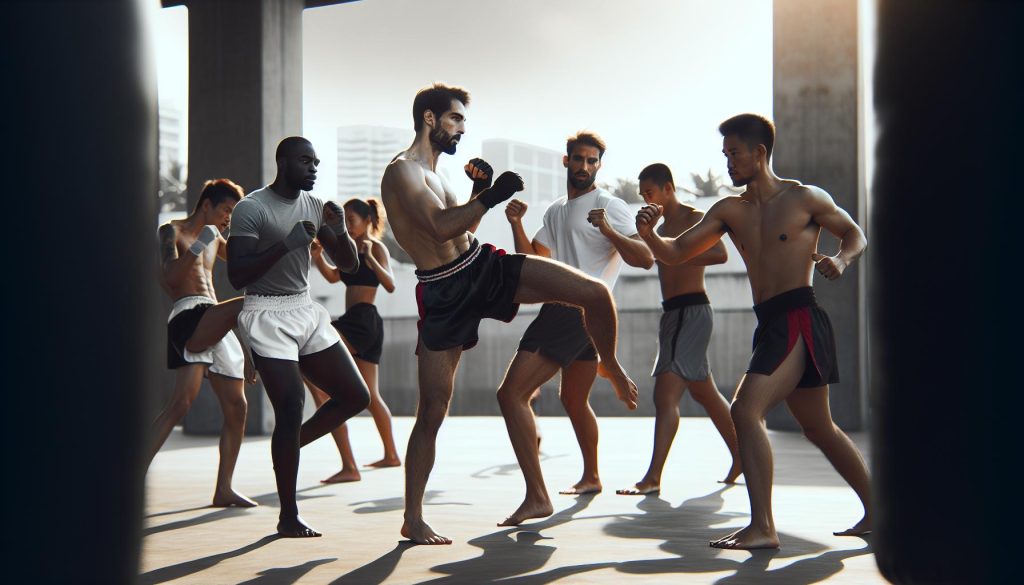
In exploring the efficacy of Muay Thai for self-defense, one must appreciate its core principles that lend themselves remarkably to real-world scenarios. This martial art, often celebrated as the “Art of Eight Limbs,” employs fists, elbows, knees, and shins to deliver powerful strikes that can neutralize threats swiftly. At its heart, Muay Thai emphasizes balance, timing, and precise distance management-skills that are imperative for effective self-defense.
To begin with, balance plays a pivotal role in executing strikes while remaining stable during encounters. Maintaining a solid footing allows practitioners to respond dynamically to unexpected movements from an aggressor. This foundational aspect is crucial; if you cannot balance, you cannot deliver an effective technique or evade an incoming attack. Timing, on the other hand, is vital for anticipating and responding to an opponent’s actions. With practice, fighters learn to read body language and gauge movement, enabling them to strike at the precise moment when their opponent is most vulnerable.
Another principle, distance management, is essential for self-defense. Understanding the spatial relationship between oneself and a potential attacker allows an individual to position themselves favorably-either to strike or to escape. In a self-defense scenario, knowing how to gauge this distance can mean the difference between a successful defense and a potentially dangerous situation. This awareness is complemented by situational awareness, where practitioners are trained to remain mindful of their surroundings, recognizing possible threats before they materialize.
Moreover, one of the most empowering aspects of Muay Thai is the mental resilience it fosters. Practitioners develop composure under stress, allowing them to respond effectively during high-pressure situations. This mental fortitude is crucial; when confronted with an aggression, the ability to remain calm and assess one’s options can prevent an escalation into violence.
Overall, the principles ingrained through Muay Thai training extend far beyond physical confrontation. They cultivate a mindset and skill set equipped for effective self-defense while promoting the ethical consideration of how and when to apply these techniques, which is paramount in today’s increasingly complex social environment. It’s essential to always prioritize de-escalation and consider the legal implications of any defensive action taken.
Comparing Muay Thai Techniques to Other Martial Arts
Understanding the practical applications of various martial arts can significantly enhance your effectiveness in self-defense situations. Muay Thai stands out among them due to its unique combination of powerful strikes and critical principles that are essential for real-world confrontations. Unlike other martial arts that may focus primarily on grappling, groundwork, or weapon disarmament, Muay Thai, often referred to as the “Art of Eight Limbs,” incorporates punches, elbows, knees, and shins, making it extremely versatile in striking.
Key Differences
- Striking Discipline: While Karate often emphasizes precise punches and kicks, and boxing focuses almost exclusively on hand techniques, Muay Thai integrates a broader array of striking options. This diversity allows practitioners to attack from multiple angles, thereby overwhelming an opponent with various threats. The concept of using elbows and knees can be particularly advantageous in close quarters, where traditional punches may be less effective.
- Clinch Work: Unlike many striking arts, Muay Thai places significant importance on control in the clinch. This allows fighters to execute devastating knee strikes while simultaneously neutralizing an opponent’s movement. In contrast, Brazilian Jiu-Jitsu (BJJ) emphasizes ground fighting and submission techniques, which may not be the first choice in a self-defense scenario where standing and escaping is often more ideal.
- Physical Conditioning: The rigorous training regime in Muay Thai builds not only technique but also conditioning, strength, and endurance. This prepares practitioners to endure the physical demands of a confrontation. In comparison, Kung Fu may emphasize forms and fluid movements, which can be beneficial but may not stress the same level of physical preparedness for an unexpected encounter.
Practical Considerations
It is essential to remember that self-defense is not solely about techniques; it also involves psychological and legal factors. For instance, techniques like those seen in Krav Maga focus significantly on quick, decisive actions aimed at incapacitating an aggressor and making an escape. This pragmatic approach differs from Muay Thai’s flowing and deliberate techniques, which may require a deeper understanding of timing and distance.
Legal Implications: Understanding your local laws regarding self-defense is crucial. Using Muay Thai techniques effectively within the confines of these laws can sometimes mean the difference between technically defending yourself and facing legal consequences for excessive force. As a responsible practitioner, your goal should always be to prioritize de-escalation and safety while being prepared to defend yourself when absolutely necessary.
By integrating the strengths of Muay Thai with the insights from other martial arts, you can create a comprehensive self-defense strategy that not only teaches you how to fight but also emphasizes the importance of legal awareness and ethical responsibility in those critical moments.
Effectiveness of Muay Thai in Real-World Self-Defense Scenarios
In real-world confrontations, the effectiveness of Muay Thai as a self-defense system hinges on its pragmatic approaches and the preparedness it instills in its practitioners. This martial art, often termed the “Art of Eight Limbs,” allows individuals to utilize fists, elbows, knees, and shins, enabling them to defend against various types of aggression effectively. Not only does Muay Thai develop striking techniques that can incapacitate an opponent, but it also trains students to maintain composure under pressure, an essential aspect in any self-defense scenario.
One key advantage of Muay Thai is its emphasis on distance control and positioning. Practitioners learn to gauge the distance between themselves and a potential threat, allowing them to execute techniques like powerful knee strikes or well-timed elbow shots with lethal efficiency. This level of striking versatility means that Muay Thai practitioners are not only more capable of defending themselves when attacked but are also skilled at stopping threats before they escalate further. For instance, a well-timed push kick can create the necessary space to escape an encounter, reinforcing the principle that self-defense is not merely about defeating an opponent but also about ensuring one’s own safety.
However, it is critical to acknowledge the legal and ethical ramifications of using Muay Thai techniques in self-defense situations. Each jurisdiction has laws governing the reasonable use of force, and understanding these limits is paramount. Engaging in a confrontation utilizing Muay Thai techniques should always be a last resort, prioritized only when de-escalation methods have failed. For example, a victim may initially attempt to defuse a situation verbally or by retreating before resorting to physical techniques. Proper training in Muay Thai fosters this mindset, ensuring that practitioners are not only combat-ready but also aware of the moral weight of their actions.
Moreover, real-world success stories support Muay Thai’s efficacy in self-defense encounters. Many individuals have reported using their training to escape unwanted confrontations or to subdue an aggressor without causing serious injury, thereby adhering to the principle of using proportional force. This highlights the importance of supplementary training in situational awareness and conflict resolution. When combined with Muay Thai’s solid striking foundation, these skills empower individuals to react effectively and responsibly in real-life scenarios, showcasing that self-defense is as much about preventing conflict as it is about combat readiness.
Legality of Using Muay Thai for Self-Defense in Your State
Understanding the legal implications of using Muay Thai for self-defense is crucial for anyone considering this martial art as a means of protection. Laws governing self-defense vary significantly by state and locality, making it essential to comprehend what constitutes reasonable force in your jurisdiction. In general, the legal principle underlying self-defense is that individuals are permitted to protect themselves from imminent harm, but the response must be proportional to the level of threat faced.
When engaging in self-defense, one must clearly articulate that the use of force was necessary to prevent harm. For example, if confronted by an aggressor, an individual trained in Muay Thai may use techniques like a push kick to create space or a knee strike to deter an attack. However, the intent should always be defensive; using excessive force can lead to criminal charges, even if you initially faced a legitimate threat. It’s a principle echoed across many legal systems, emphasizing the need for a response that reflects the severity of the situation.
It is advisable to familiarize yourself with your state laws regarding self-defense. Many states have “stand your ground” laws that allow individuals to use force without retreating first, while others may require a duty to retreat if it’s safe to do so. Additionally, in some places, self-defense laws include specific stipulations about the types of force permissible and the contexts in which you can exercise your right to self-defense. Understanding these nuances can mean the difference between staying within legal boundaries and facing serious repercussions.
Moreover, ethical considerations in self-defense are paramount. Even when physical techniques like those found in Muay Thai are employed, they should be used as a last resort. Techniques should always prioritize de-escalation and personal safety over defeating an aggressor. Proper training helps foster the mindset of using Muay Thai responsibly; individuals learn not just to fight but to navigate conflict scenarios with an approach focused on safety and ethical considerations. This combination of awareness, legal knowledge, and respect for the potential consequences of confrontation is critical for anyone who practices martial arts for self-defense.
Safety Protocols and Precautions in Training and Application
Training in Muay Thai equips practitioners with powerful techniques, but safety protocols are crucial to ensure a responsible and effective approach to self-defense. Whether in a training environment or real-life scenario, adherence to safety measures can make a significant difference in outcomes. To engage safely with this martial art, one must prioritize mental preparedness, physical conditioning, and ethical considerations throughout the training process.
The safety of both practitioners and opponents should always come first. This includes using proper protective gear, such as gloves, shin guards, and mouthguards, during sparring sessions. Conducting warm-up exercises and conditioning drills helps prepare the body for the rigors of training, reducing the risk of injury. Understanding limits-both personal and those of partners-is also essential; training should occur at a pace and intensity that matches skill levels, especially when working with less experienced students. Effective communication during practice helps establish boundaries and ensures that everyone knows how to respond when things become too intense.
In terms of specific techniques, practitioners should approach learning and applying Muay Thai moves with caution. For example, striking techniques, while essential for self-defense, should be practiced in a controlled manner to avoid unintentional harm. Practicing de-escalation techniques, such as verbal conflict resolution, should also be a fundamental part of training. This approach not only reduces potential confrontations but also emphasizes the importance of resolving disputes peacefully before resorting to physical means.
Finally, it is vital to understand the legal implications of using Muay Thai techniques for self-defense. Each state has its own laws governing self-defense situations, including what constitutes reasonable force. Therefore, practitioners should educate themselves on local laws to ensure that any actions taken during an altercation remain within legal boundaries. Awareness of legal and ethical responsibilities protects not only oneself but also the rights of others involved in potentially volatile situations. Integrating this knowledge with physical training creates a comprehensive approach to self-defense, empowering practitioners to handle various scenarios with confidence and prudence.
De-escalation Tactics: Prioritizing Non-Violent Outcomes
In high-stress situations, the instinct to fight can be overwhelming, but employing de-escalation tactics can often prevent violence and lead to a more peaceful resolution. Practitioners of Muay Thai, while trained in effective striking and self-defense, should always prioritize non-violent outcomes, understanding that the ultimate goal is to defuse a potential conflict rather than escalate it. Educating yourself on how to communicate effectively during tense encounters can be just as critical as your physical training.
One proven method involves using active listening techniques. Allowing the other party to express their feelings can often diffuse anger and redirect the energy of the situation. Acknowledging their emotions with phrases like, “I understand that you’re upset,” can create a moment of connection, slowing the escalation. Additionally, maintaining a calm and non-threatening posture can help reduce the perceived intensity of the confrontation. Avoid crossing your arms or making sudden movements that might be interpreted as aggressive.
Another essential aspect of de-escalation is the strategic use of distance. Keeping a safe distance can deter aggression, as many confrontations escalate when one party feels cornered. Practice moving to a position that allows for exit while still keeping open lines of communication. If possible, redirect the conversation toward less contentious topics to help ease tensions. For instance, if an altercation occurs in a public place, referencing the surroundings or asking for a break can also create a proactive dialogue that distracts from the conflict.
Understanding and respecting legal limitations is imperative when considering self-defense actions. Each state has different laws regarding what constitutes reasonable force in self-defense scenarios. Being well-informed about these legal frameworks can guide your response and help you navigate the aftermath of any altercation responsibly. Practicing scenario-based training that incorporates de-escalation techniques empowers practitioners with both the physical skills of Muay Thai and the ability to handle confrontations thoughtfully.
By integrating de-escalation tactics into your self-defense training, you enhance your overall effectiveness as a practitioner. This dual approach not only builds confidence in your physical abilities but also fosters a mindset that values life and ethical responses over violent resolution, ultimately contributing to a safer environment for everyone involved.
Training Recommendations for Beginners in Muay Thai for Self-Defense
Starting a journey in Muay Thai can be an empowering decision for anyone interested in self-defense. The beauty of this combat sport lies not just in its striking techniques but also in the foundational principles of awareness, discipline, and respect that it instills in its practitioners. As beginners explore Muay Thai for self-defense, it’s crucial to approach training with a mindset focused on safety, legality, and effective application in real-world situations.
A structured training regimen tailored for self-defense can significantly enhance a beginner’s understanding. It’s recommended to start with fundamental techniques, such as the five main strikes: push kick, roundhouse kick, elbow strike, knee strike, and jab. Incorporating these systematically will build a solid technical base while developing distance management skills critical in avoiding confrontation. Practicing under the supervision of a qualified instructor helps in ensuring safety and adherence to proper techniques.
Furthermore, understanding the legal context of using Muay Thai for self-defense is essential. Each state may have specific laws regarding what constitutes justifiable self-defense. Beginners should educate themselves about local self-defense laws, including the principles of proportionality and reasonable force. Training sessions that include discussions on legal scenarios can prepare individuals to navigate real-world situations responsibly.
Lastly, a comprehensive approach to training should not overlook physical conditioning. Incorporating cardio, strength, and flexibility workouts can augment the effectiveness of Muay Thai techniques. Beginners should consider cross-training with workouts focused on improving core strength and agility, as these attributes are vital for effective movement and balance during self-defense situations. Engaging in regular sparring practice with an emphasis on controlled, respectful exchanges can also enhance reflexes and timing, vital components for any self-defense strategy.
In essence, starting out in Muay Thai for self-defense is about cultivating both physical skills and mental acuity. By focusing on the realities of confrontation, legal boundaries, and personal safety protocols, beginners can empower themselves with the knowledge and skills to navigate potentially dangerous situations more effectively.
Common Misconceptions About Muay Thai and Self-Defense
Many people believe that Muay Thai is solely about aggressive striking and knockouts, creating a common misconception that it’s not suitable for self-defense situations. In reality, Muay Thai encompasses a well-rounded approach to combat that includes not only powerful techniques but also critical strategies for maintaining personal safety and avoiding conflict. Understanding the true nature of this martial art can empower practitioners to use it effectively in real-world situations.
One significant misunderstanding is that Muay Thai is only for the physically strong or naturally aggressive individuals. While physical fitness can enhance one’s performance, Muay Thai also emphasizes technique, timing, and strategy, which can be accessible to individuals of varying body types and skill levels. The art teaches distancing, footwork, and tactical awareness, allowing a smaller or less powerful person to defend themselves against a more formidable opponent effectively. It’s crucial to remember that knowing how to de-escalate a situation and using strikes as a last resort is a core principle of self-defense.
Another misconception is the belief that practice in Muay Thai will prepare one for any confrontation, including armed attacks or multiple opponents. While Muay Thai provides a solid foundation in striking, it is imperative to recognize its limits. Combining Muay Thai training with knowledge of situational awareness and verbal de-escalation tactics enhances overall self-defense readiness. Engaging in additional self-defense training specifically designed to address weapons or multiple attacker scenarios can provide practitioners with a more comprehensive skill set.
Furthermore, many assume that using Muay Thai techniques in a self-defense scenario will automatically lead to legal consequences. However, using reasonable force in self-defense situations is legally supported in many jurisdictions. It’s vital for practitioners to educate themselves about local laws surrounding self-defense, including concepts like proportionality and the obligation to retreat if possible. Regular discussions about legal frameworks during training can help individuals navigate the complexities of self-defense situations with confidence and responsibility.
In conclusion, dispelling these misconceptions about Muay Thai can lead to a more profound understanding of its applicability in self-defense. By fostering a well-rounded training approach that includes physical techniques, mental preparedness, and legal knowledge, practitioners can not only protect themselves but also minimize the risk of escalating violence in threatening situations.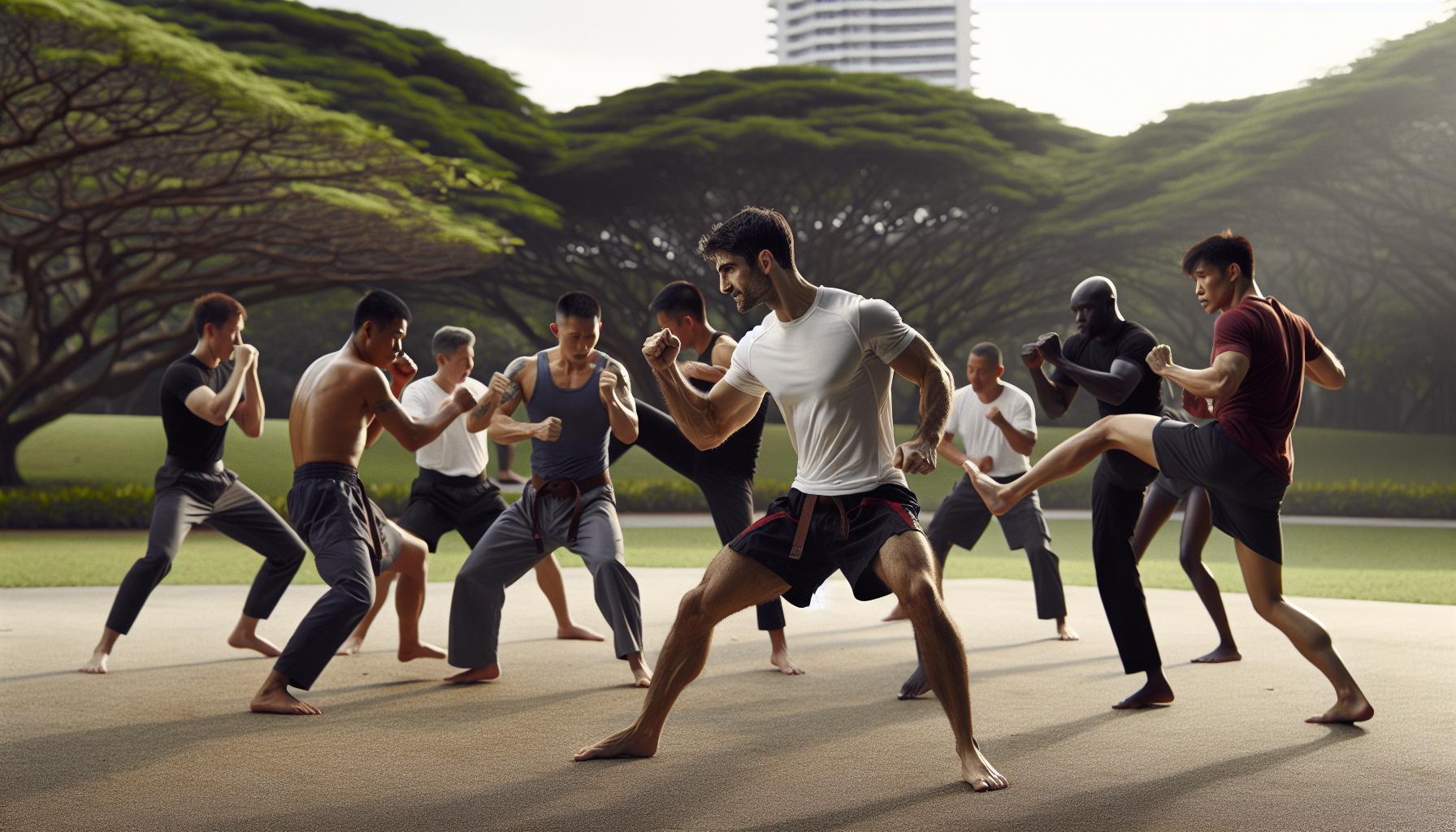
Integrating Muay Thai with Other Self-Defense Strategies
Integrating different self-defense strategies can significantly enhance your ability to respond effectively to various threats. While Muay Thai offers powerful striking techniques and advantages in clinch fighting, it can be complemented by other martial arts and self-defense systems for a more comprehensive approach. For instance, coupling Muay Thai with Brazilian Jiu-Jitsu (BJJ) can be particularly beneficial. While Muay Thai teaches striking and standing techniques, BJJ focuses on grappling and ground control, providing strategies for situations where a confrontation goes to the ground, which is not covered by traditional Muay Thai.
In addition to grappling arts, integrating elements from Krav Maga can equip practitioners with practical responses to real-world threats, such as defenses against weapons or multiple attackers. Krav Maga emphasizes situational awareness, aggression, and dealing with unarmed as well as armed assailants, providing a broader context for self-defense. This cross-training can help learners develop a well-rounded skill set, enabling them to engage effectively in various scenarios while understanding the importance of de-escalation.
Utilizing training drills that combine techniques from both Muay Thai and complementary systems can enhance muscle memory and situational responses. Practitioners can simulate common street scenarios that require both striking and grappling, helping to understand the transition between different fighting ranges. Furthermore, incorporating discussions about legal implications and ethical considerations during training sessions adds depth to the learning experience, ensuring that practitioners are not only physically prepared but also mentally equipped to handle situations responsibly.
Lastly, keeping an open mind to various self-defense strategies fosters adaptability. Whether it’s learning to recognize when to strike versus when to disengage, or practicing verbal de-escalation techniques before resorting to physical action, the ability to blend these skills can significantly increase one’s effectiveness in self-defense situations. Integrating Muay Thai with these other practices prepares individuals to handle a wider range of potential confrontations with confidence and ethical awareness.
Success Stories: Real-Life Applications of Muay Thai in Self-Defense
In real-world scenarios, the efficacy of Muay Thai as a self-defense system is well-documented through various success stories, highlighting its practical application and effectiveness. One compelling example involved a female practitioner who, while walking home late at night, was confronted by an aggressive individual. Utilizing her training, she maintained awareness of her surroundings, which allowed her to avoid a potentially dangerous situation. When the confrontation escalated and the assailant attempted to grab her, she executed a swift knee strike-a fundamental technique from Muay Thai. This decisive action allowed her to create space and escape, demonstrating how Muay Thai’s striking techniques can be leveraged effectively in self-defense situations.
Another story centers around a male student who faced a group of attackers during an outing. Drawing on his Muay Thai training, he employed clinch techniques to control one assailant’s posture, preventing them from delivering strikes. He then used elbow strikes, a powerful component of Muay Thai, to incapacitate one attacker while creating an opportunity to flee. This situation underscores the importance of not only striking but also the clinch, which is often overlooked in other martial arts but proves invaluable in close-quarters confrontations.
Moreover, martial arts instructors frequently emphasize the significance of de-escalation tactics learned through Muay Thai training. In one notable instance, a trained practitioner managed to defuse a potentially violent conflict at a bar simply by using verbal communication and body language. The confidence and assertiveness built through their Muay Thai training allowed them to project a non-threatening demeanor, which helped to resolve the situation without physical confrontation.
It is essential for students and practitioners to recognize that self-defense is not solely about physical abilities but also encompasses mental preparedness, situational awareness, and the ability to assess threats accurately. This duality highlights why comprehensive training in Muay Thai, combined with a strong understanding of legal and ethical implications of force, is vital for effective self-defense. When facing hostile situations, knowing when to engage and when to retreat can often mean the difference between safety and danger.
Assessing Physical Conditioning for Effective Self-Defense Use
Physical conditioning forms the backbone of effective self-defense, particularly in a high-intensity discipline like Muay Thai. Beyond learning strikes and clinch techniques, it’s essential for practitioners to cultivate the endurance, strength, and agility needed to respond effectively during an unexpected encounter. Your body must be ready to react quickly and efficiently, embodying the principles you’ve learned in training. This means not only building physical abilities but also ensuring a solid mental framework to support your actions in stressful scenarios.
To assess your physical conditioning for self-defense, consider evaluating the following elements:
- Cardiovascular Endurance: The ability to maintain stamina during a confrontation is crucial. Incorporate activities like running, cycling, or interval training to enhance your heart and lung capacity.
- Strength Training: Focus on building core strength and muscle power, which are vital for delivering effective strikes and maintaining control during a tussle. Exercises like squats, deadlifts, and push-ups can be particularly beneficial.
- Flexibility and Mobility: Effective striking and evasive techniques rely on a full range of motion. Include regular stretching or practices like yoga in your routine to improve overall flexibility.
- Agility and Reaction Time: You’ll need to move quickly and change direction on a dime during an altercation. Agility drills and reaction training can sharpen these skills.
Additionally, it’s important to align your physical training with the understanding of how physical conditioning can influence your legal and ethical responsibilities in self-defense situations. Consider that heightened physical abilities do not grant a license to engage recklessly. Practitioners should always prioritize de-escalation over confrontation whenever possible. The goal is to escape danger rather than to prove your fighting prowess.
Remember, conditioning isn’t solely about physical prowess; mental resilience plays a key role too. Scenarios in self-defense are unpredictable, and being prepared mentally can enhance your ability to remain calm under pressure. The combination of sound physical conditioning and mental readiness can empower practitioners to respond safely and effectively in real-world situations. If you haven’t yet, engage with a qualified instructor who can guide your conditioning within the context of practical self-defense to ensure your training is balanced and effective.
Frequently asked questions
Q: What are the key benefits of Muay Thai for self-defense?
A: Muay Thai offers numerous benefits for self-defense, including enhanced striking skills, improved physical fitness, and effective situational awareness. The art’s emphasis on powerful strikes with elbows and knees makes it practical for close combat scenarios, making it suitable for real-world self-defense situations.
Q: How does Muay Thai compare to other martial arts for self-defense?
A: While many martial arts teach self-defense, Muay Thai focuses on standing techniques and strikes, unlike Brazilian Jiu-Jitsu, which emphasizes ground fighting. This makes Muay Thai more effective in situations where quick, decisive strikes are needed to create space and escape threats.
Q: Can beginners effectively use Muay Thai for self-defense?
A: Yes, beginners can effectively use Muay Thai for self-defense. Starting with basic techniques and focusing on practical applications in training can build the confidence and skills necessary to defend against common threats. Incorporating self-defense strategies with Muay Thai training is crucial for beginners.
Q: Are there specific techniques in Muay Thai that are best for self-defense?
A: Key techniques ideal for self-defense in Muay Thai include elbows, knees, and kicks, which are effective at close range. Practicing these strikes can allow practitioners to deliver powerful blows that incapacitate an aggressor quickly, giving them a chance to escape.
Q: What should I prioritize when training Muay Thai for self-defense?
A: When training in Muay Thai for self-defense, focus on practical application, situational awareness, and de-escalation tactics. Understanding how to avoid confrontation and effectively respond to threats can enhance your self-defense capabilities beyond just techniques.
Q: How can Muay Thai enhance my mental readiness for self-defense?
A: Practicing Muay Thai can significantly enhance mental readiness by developing discipline, focus, and confidence. These mental attributes prepare individuals to react calmly and effectively in high-stress scenarios, making better decisions under pressure.
Q: Are there legal considerations for using Muay Thai in a self-defense situation?
A: Yes, legal considerations vary by state regarding the use of force for self-defense. It’s important to understand local laws to ensure that any use of Muay Thai techniques remains within legal limits and to prioritize de-escalation whenever possible.
Q: How do I integrate Muay Thai with other self-defense methods?
A: Integrating Muay Thai with other self-defense methods involves combining striking techniques with grappling or situational awareness skills from other martial arts. For example, understanding how to escape holds or apply joint locks can complement Muay Thai’s striking focus for a comprehensive defense strategy.
Tactical and Biomechanical Analysis: Is Muay Thai Good For Self Defense
When evaluating the mechanical efficiency and physiological implications of is muay thai good for self defense, personal protection practitioners must analyze three fundamental principles:
- Targeting Dynamics: Precision striking or tool application against designated soft-tissue zones and vulnerable nerve pathways produces maximum autonomic disruption with minimum necessary physical energy.
- Kinetic Energy Transfer: Maximizing velocity and proper skeletal alignment ensures that force penetrates beyond superficial skin layers, directly influencing muscular and neurological function.
- Disengagement Window Creation: The primary tactical objective of defensive engagement is terminating an adversary’s aggression and establishing sufficient distance and time to reach safe shelter.
Comparative Matrix and Physiological Assessment: Is Muay Thai Good For Self Defense
| Operational Metric | Tactical Assessment (Is Muay Thai Good For Self Defense) | Physiological / Medical Mechanism | Defensive Best Practice |
|---|---|---|---|
| Incapacitation Speed | Immediate (0–2 seconds on direct contact) | Autonomic reflex shock, motor dysfunction | Follow through immediately with tactical retreat |
| Gross Motor Requirement | High reliability under extreme adrenaline dump | Relies on large muscle groups rather than fine dexterity | Practice gross movements during scenario stress training |
| Legal Scrutiny Risk | Strict scrutiny based on proportionality of threat | Potential for severe bodily injury depending on impact zone | Cease defensive action immediately once threat ceases |
Legal Standards and Tactical Self-Defense Protocols (Is Muay Thai Good For Self Defense)
To safely navigate high-threat personal security situations involving is muay thai good for self defense, adhere strictly to the following three-step operational protocol:
- Threat Assessment & Situational Awareness: Scan the environment continuously using Cooper’s Color Code to detect potential hazards before physical distance collapses.
- Verbal De-escalation & Boundary Setting: Establish clear verbal commands, maintain a non-aggressive defensive posture, and create physical escape avenues wherever possible.
- Decisive Proportional Countermeasure: If violent physical assault is unavoidable, deliver decisive, targeted interventions to neutralize the threat and immediately report the incident to emergency authorities.
How does is muay thai good for self defense impact personal defense strategy?
Proper integration of this principle ensures that defenders do not rely on brute force, instead leveraging anatomical vulnerability and sound tactical decision-making to survive violent confrontations.
What legal precautions should be taken regarding is muay thai good for self defense?
All physical defensive measures must remain strictly proportional to the imminent unlawful threat faced. Once the aggressor no longer presents an immediate danger, force must cease immediately to remain within statutory self-defense protections.
Final Thoughts
In conclusion, Muay Thai stands out as an effective form of self-defense, emphasizing striking and distance management, essential skills for real-world scenarios. With its rich history in combat sports, Muay Thai equips practitioners not just with powerful techniques but also the mental fortitude to navigate threatening situations legally and ethically.
If you’re considering exploring self-defense options further, check out our guides on Krav Maga and Brazilian Jiu-Jitsu to compare different martial arts approaches. Don’t forget to subscribe to our newsletter for expert tips and strategies delivered straight to your inbox, ensuring you stay informed and prepared. Empower yourself with knowledge and skills, and remember, the ultimate goal of self-defense is to de-escalate conflicts and ensure personal safety. Join the conversation in the comments below and share your thoughts or experiences related to self-defense training!
Get our latest guides, news, and insights highlighted in your Google Search & AI Overviews.