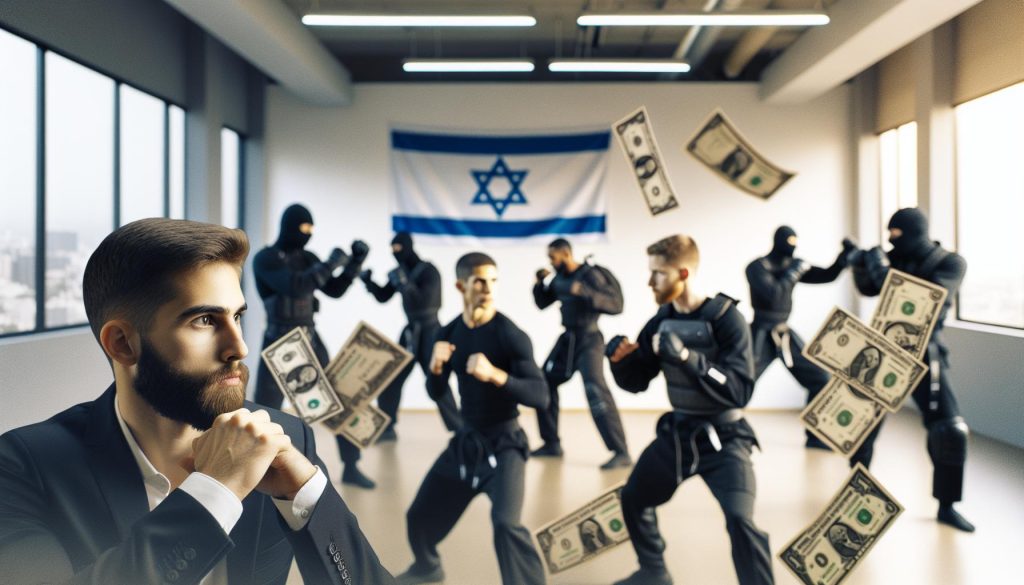
The question “Does Krav Maga give Israel money?” delves into the intricate relationship between martial arts, national identity, and funding. This topic is vital as it not only explores the origins of Krav Maga as a self-defense system, but also addresses concerns about financial contributions and organizational support that may influence practices and perceptions. Many practitioners are motivated by a desire for effective self-defense while navigating the ethical implications of their training’s heritage. Understanding this connection can empower individuals to make informed choices about their martial arts journey. As we unravel the complexities of Krav Maga’s funding and its ties to Israeli organizations, we aim to shed light on how these factors impact both practitioners and the broader community. Your interest in this topic matters, as it fosters greater awareness of the cultural and financial landscapes surrounding self-defense. Keep reading to uncover insights that may shape your understanding and approach to this impactful discipline.
Understanding Krav Maga’s Connection to Israel’s Funding
Krav Maga, the self-defense system known for its efficiency and practicality, has roots deeply intertwined with Israel’s military and societal fabric. Its development was influenced by the necessity of a survival mechanism in a nation where personal safety is a critical concern due to ongoing conflicts. Founded in the 1930s by Imi Lichtenfeld, Krav Maga was initially a means for Jewish communities to defend themselves against violence. Over the decades, it evolved into a formal system embraced by the Israeli Defense Forces (IDF), where it is regularly employed as a core training component for soldiers. This relationship illuminates the broader financial context: as a martial art ingrained in the national defense psyche, Krav Maga inherently aligns itself with the objectives and funding priorities of Israel.
The organization of Krav Maga often reflects its military roots, with many instructors having prior military experience and conforming to structured training programs that resonate with the values of the IDF. This military influence extends to funding, as many Krav Maga institutions benefit from state support or partnerships with governmental defense entities. For example, competitions and seminars held in Israel frequently receive backing from local organizations looking to promote self-defense awareness, reinforcing the connection between public safety initiatives and state funding.
The financial ecosystem surrounding Krav Maga is broad, incorporating private schools, non-profit organizations, and military institutions, often leading to diverse revenue streams. While specific financial reports on Krav Maga’s funding can be sparse, establishments like “Krav Maga New York,” which has secured $16,000 in growth capital, highlight how local businesses are tapping into the global self-defense market while also underpinning the movement’s expansion and operational sustainability. This linkage illustrates how the practice transcends geographical boundaries, spawning local initiatives that continue to funnel resources and legitimacy back into the central tenets of Krav Maga as a vital tool for personal and communal security in Israel.
Understanding this dynamic unravels not just a tale of self-defense but reveals how Krav Maga serves as a cultural and strategic asset, embodying a proactive approach to personal security while being intrinsically connected to Israel’s national landscape and funding networks. The support for such programs emphasizes the importance of self-defense training not only for individual empowerment but also as a civic duty within a society that prioritizes resilience in the face of threats.
The Organizational Structure Behind Krav Maga
Krav Maga’s organizational structure is deeply rooted in its military origins, influencing how it operates both domestically and worldwide. Central to this system is the authority held by various organizations, which ensure standardized training and the dissemination of Krav Maga principles. The most prominent of these organizations is the Israel Krav Maga Association (IKMA), one of the oldest and most recognized entities globally. Under IKMA, instructors undergo rigorous training, often drawing from their military backgrounds, to ensure that the techniques taught are effective, practical, and aligned with the original teachings of its founder, Imi Lichtenfeld.
In addition to national organizations, various schools and academies around the world adopt the Krav Maga framework and adapt it to their local contexts. These institutions often function independently but maintain affiliations with larger, established organizations to guarantee a consistent quality of instruction. Typically, they offer instructor certification programs that standardize how techniques are taught and assessed. This networked structure creates a community that not only facilitates training but also reinforces the philosophical underpinnings of Krav Maga, emphasizing self-defense as a crucial life skill.
Moreover, many of these organizations actively engage with local governments and defense-related agencies, creating partnerships that enhance their visibility and support. These partnerships may include endorsing public safety initiatives, providing self-defense workshops, and collaborating on community programs aimed at promoting resilience among citizens. Such arrangements can sometimes lead to direct or indirect funding, allowing these organizations to grow while simultaneously aligning themselves with broader public safety goals.
Ultimately, this organizational structure supports Krav Maga’s role as a significant tool for personal and communal security within Israel and beyond. It emphasizes not only the self-defense aspect but also fosters a sense of responsibility among practitioners to engage in their communities and contribute positively. In understanding this framework, prospective students and current practitioners can appreciate not just the physical training but also the societal implications and responsibilities that come with learning Krav Maga.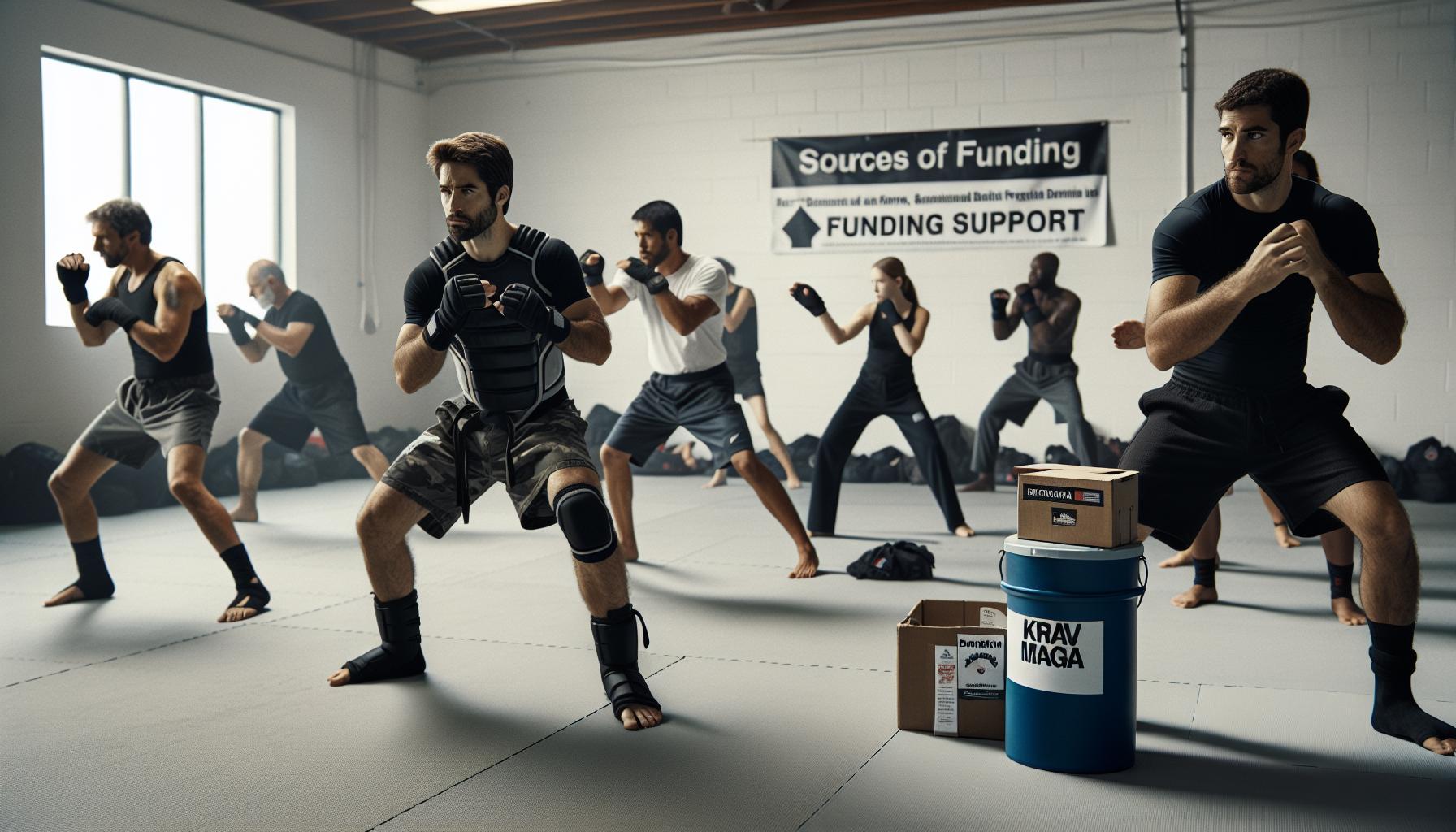
Sources of Funding for Krav Maga Programs
Krav Maga programs benefit from a diverse array of funding sources, essential for their growth, sustainability, and outreach. Understanding these funding mechanisms is crucial for everyone involved in Krav Maga, from practitioners to organizations, as they underscore the program’s connection to community empowerment and public safety.
One significant source of funding for Krav Maga programs comes from government grants and partnerships. Many local law enforcement agencies recognize the value of self-defense training in enhancing public safety and community resilience. Consequently, they may offer funding for workshops, seminars, or community classes that promote self-defense skills, particularly in high-risk areas. These partnerships not only enhance the visibility of Krav Maga but also align it with broader public safety objectives, allowing for a mutual reinforcement of resources.
In addition to government support, many Krav Maga organizations turn to corporate sponsorships and partnerships. Businesses interested in promoting fitness, safety, or community engagement may see collaboration with Krav Maga academies as a valuable marketing opportunity. Such relationships can yield financial support, in-kind resources, or promotional platforms that allow Krav Maga programs to reach wider audiences.
Membership and Class Fees also constitute a primary funding source for Krav Maga practitioners. Most academies rely on enrollment fees, class memberships, and instructor certification programs to generate operating revenue. These fees are vital for maintaining facilities, instructor training, and community outreach efforts. Additionally, many academies offer specialized workshops and courses, which can draw additional funds while providing valuable self-defense training to participants.
Ultimately, the funding landscape for Krav Maga programs encompasses government initiatives, corporate partnerships, and grassroots community support. Understanding these sources empowers organizations to strategize effectively, ensuring that they maintain operations while reinforcing their mission of promoting safety and self-defense in society. By leveraging these various funding channels, Krav Maga can continue to provide vital skills and contribute positively to communities globally.
Economic Impact of Krav Maga on Israel
Krav Maga, originally developed for the Israel Defense Forces (IDF), has evolved into a global phenomenon that significantly impacts Israel socially and economically. This martial art not only enhances personal safety and self-defense skills among practitioners but also serves as a catalyst for various economic activities within Israeli society.
One notable economic impact is seen through tourism. Krav Maga attracts individuals from around the world who are eager to learn about this unique self-defense system, leading to increased tourism revenue. Many travel to Israel specifically for Krav Maga training camps and seminars, which boosts local businesses such as hotels, restaurants, and transport services. The influx of international practitioners fosters cultural exchange and strengthens Israel’s position as a center for martial arts training.
Moreover, the organizations responsible for teaching Krav Maga often engage in community programs and workshops, thereby creating job opportunities for instructors and boosting local economies. These programs frequently collaborate with security forces and community centers, promoting not just physical training but also offering a sense of community while improving public safety. As law enforcement agencies adopt Krav Maga in their training regimens, the necessity for qualified instructors grows, further enhancing employment prospects within this niche market.
In a broader context, Krav Maga’s role in shaping a sense of national identity cannot be overlooked. By imbedding values of resilience, respect, and self-reliance, it reinforces collective social dynamics among practitioners. This is particularly relevant in a country like Israel, where security and personal safety are paramount concerns. Thus, the economic impact of Krav Maga extends beyond mere financial statistics; it encompasses social stability and enhances community cohesion, making it a vital part of Israel’s cultural fabric.
The interplay of personal safety, national identity, and economic benefit illustrates that Krav Maga represents much more than a martial art; it is a pivotal element in Israel’s social and economic landscape, continuing to develop partnerships both locally and globally that reflect its ongoing mission of empowerment and self-defense.
Krav Maga’s Role in Israeli Defense Strategy
Krav Maga, developed as a practical self-defense system by the Israel Defense Forces (IDF), is deeply interwoven into Israel’s defense strategy and reflects the nation’s unique security needs. This martial art is not just a physical skill but also an embodiment of the principles that guide the defense of the state. It trains soldiers and civilians alike in effective self-defense against a range of threats, emphasizing practicality, adaptability, and de-escalation as primary components in a conflict situation.
A central aspect of Krav Maga’s effectiveness in Israeli defense is its focus on real-world scenarios. The training is designed to prepare practitioners for unpredictable and potentially life-threatening situations, which is crucial given Israel’s security context. By incorporating techniques that address various attack types, from armed assaults to close combat situations, Krav Maga equips individuals with the skills necessary to respond appropriately and effectively. This proficiency not only instills confidence among practitioners but also enhances public safety as civilians become better prepared to defend themselves and others.
Moreover, Krav Maga training reinforces a cultural ethos of self-reliance and resilience. It cultivates a mindset that empowers individuals to act decisively in times of crisis. This is particularly significant in Israel, where communal and national security is a priority. The skills learned through Krav Maga serve to bolster the sense of personal responsibility within the community, enabling a collective response to threats. In this way, Krav Maga contributes to a broader defense strategy that goes beyond military might, fostering an informed and prepared citizenry.
The relationship between Krav Maga and Israel’s defense strategy is also evident in its integration into law enforcement and civilian defense initiatives. Various police and military units use Krav Maga as part of their training, enhancing the effectiveness of their personnel. By standardizing these techniques across multiple security sectors, Israel ensures a cohesive approach to threat management. This collaboration underscores the martial art’s significance not only as a form of self-defense but also as a vital component of national security operations.
In summary, is multifaceted, blending physical training with psychological preparedness. Its implementation within military and civilian contexts fosters a secure environment, emphasizing the importance of personal empowerment and communal resilience in facing challenges. Through this martial art, Israel reinforces its commitment to safety, security, and the well-being of its citizens.
Community and Global Outreach of Krav Maga
Krav Maga is not only a self-defense system rooted in Israel’s unique security landscape; it also fosters a robust community with global outreach, bridging diverse cultures through its practical teachings. As a martial art designed to prepare individuals for real-world threats, Krav Maga’s influence extends beyond the borders of Israel, cultivating a worldwide network of practitioners who share the values of self-defense, empowerment, and mutual respect.
Training in Krav Maga equips individuals with essential skills, emphasizing de-escalation techniques, awareness, and the use of proportional response in confrontational situations. This aspect is particularly relevant in community settings, where awareness of one’s surroundings and the ability to remain calm in threatening scenarios can prevent conflict from escalating. Training programs often encourage local workshops and seminars that not only enhance self-defense skills but also promote community building, resilience, and the responsibility of looking after one another.
Global Outreach and Its Impact
The global outreach of Krav Maga has given rise to numerous schools and affiliations worldwide. This expansion allows instructors to weave in local legal considerations and cultural contexts, enhancing the training experience for practitioners in different regions. Many organizations offer adapted curriculums that respect local customs while maintaining the core principles of Krav Maga. This adaptability enhances the martial art’s effectiveness and acceptance, encouraging more people to join the movement.
Moreover, the international Krav Maga community participates in charity events, seminars, and workshops aimed at increasing awareness about personal safety and training. Financial support for such initiatives often comes from contributions made by schools and practitioners, embodying the spirit of community engagement inherent in Krav Maga. These activities not only educate participants about self-defense but also emphasize the ethical responsibility of using such skills wisely, reinforcing the importance of safety and legality in martial arts practice.
In summary, Krav Maga’s impact on communities around the world manifests through its commitment to empowering individuals with self-defense skills and promoting proactive engagement with public safety. By fostering a culture of awareness, ethical conduct, and community support, Krav Maga continues to grow its influence well beyond its origins, serving as a bridge that connects diverse individuals striving for personal security and communal harmony.
Training Benefits: Self-Defense and Beyond
Training in Krav Maga offers practitioners not only self-defense skills tailored for real-world scenarios but also promotes several broader benefits that extend beyond personal safety. This martial art emphasizes the critical importance of awareness, confidence, and personal responsibility, crafting a holistic approach to self-defense that is relevant across diverse situations.
One of the core tenets of Krav Maga is its focus on de-escalation techniques. Practitioners learn to recognize the signs of potential confrontations and how to defuse dangerous situations without the need for physical altercations. This approach not only helps individuals avoid conflicts but reinforces the idea that effective self-defense begins long before a fight occurs. For example, through scenario-based training, individuals develop skills to assess threats, engage with aggressors verbally, and retreat safely when necessary.
Krav Maga also instills a deep sense of personal empowerment. Training helps individuals, regardless of their initial physical ability, to build strength and confidence. The techniques taught are accessible and adaptable, allowing students to leverage their unique physical attributes. By simulating real-life situations, practitioners gain the experience and mental resilience to handle emergencies. This is particularly impactful for individuals in high-risk environments or those who might feel vulnerable in their daily lives.
Moreover, Krav Maga cultivates a strong sense of community and camaraderie among its practitioners. Training sessions often foster teamwork and mutual support, as students practice techniques in pairs or groups. This collaborative environment enhances learning and builds lasting connections, reinforcing the notion that safety is not just an individual pursuit but a collective responsibility.
In summary, Krav Maga serves as a powerful tool for self-defense while also nurturing important life skills. It teaches the art of avoiding violence, empowers individuals to recognize their capabilities, and fosters a supportive community. These benefits position practitioners not just as capable defenders but as responsible members of society, prioritizing safety and ethical engagement over aggression.
Legal Considerations in Krav Maga Training
Legal considerations are vital for anyone practicing Krav Maga, especially when it involves self-defense situations. Understanding the legal framework surrounding self-defense laws can empower practitioners to make informed decisions about when and how to use their skills effectively. The legality of self-defense varies significantly by location, and it’s essential to know the specific laws in your jurisdiction.
In general, self-defense laws revolve around the concepts of proportionality and necessity. This means that a practitioner can only use physical force if it is necessary to prevent imminent harm and the level of force must correspond to the threat posed. For instance, using lethal force in response to a verbal threat would likely be considered excessive. Therefore, Krav Maga practitioners should be trained not only in physical techniques but also in how to assess situations calmly and legally.
Practicing de-escalation techniques as part of Krav Maga training is crucial. The goal is to avoid physical confrontation when possible, using verbal skills to defuse a situation before it escalates to violence. This aligns with legal expectations that emphasize the duty to retreat when safe to do so, particularly in jurisdictions that endorse ‘stand your ground’ laws. Regularly reviewing legal guidelines on self-defense can help practitioners distinguish between appropriate defensive actions and legal repercussions.
Furthermore, it’s important to consider the aftermath of any defensive encounter. Legal repercussions can be significant, including civil lawsuits aside from criminal charges. By understanding the potential legal consequences and focusing on ethical use of force, practitioners can not only protect themselves physically but also ensure that their actions remain within the bounds of the law. The principles of responsible training and careful consideration reinforce a safer approach to self-defense, ultimately enhancing the practitioner’s confidence and decision-making abilities during critical moments.
Contrasting Krav Maga with Other Martial Arts
Krav Maga stands distinct among martial arts due to its focus on real-world self-defense, primarily rooted in the principles of practicality and effectiveness in high-stress situations. Unlike many traditional martial arts, which often emphasize an artistic or sport-based approach, Krav Maga is designed to prepare practitioners for immediate threats and danger. This difference is not only seen in training methods but also reflects the underlying organizational and funding structures that support its practice.
One of the critical distinctions lies in the philosophies driving these systems. For instance, Brazilian Jiu-Jitsu (BJJ) is largely centered around ground fighting, submissions, and grappling techniques that can dominate in sport scenarios. BJJ practitioners often engage in controlled environments where the rules prioritize safety and sportsmanship. In contrast, Krav Maga prioritizes survival over sport, teaching practitioners to respond to serious threats-including armed confrontations-using the most effective means necessary. This emphasis on survival can sometimes blur legal and ethical lines, which is essential for practitioners to navigate carefully.
Training in Krav Maga often incorporates elements drawn from various martial arts, acknowledging their strengths. For example, techniques from boxing and kickboxing enhance striking skills, while BJJ offers insights into grappling. However, the key distinction remains that Krav Maga synthesizes these elements with a focus on neutralizing threats quickly and efficiently. This functional approach is reflected in its teaching and often funded by organizational ties to defense institutions, particularly in Israel, where it acts as both a civilian self-defense system and a military combat training method.
Moreover, the economic aspect of Krav Maga, tied to its funding and organizational structure, supports its outreach not just locally but globally. Various Krav Maga schools and organizations are linked to defense initiatives, often receiving backing that promotes its teachings as a necessary self-defense skill within and outside of Israel. This financial support enables a robust network of training facilities, seminars, and instructional programs that elevate its global presence, positioning Krav Maga as not only a self-defense technique but also as an important cultural and national resource.
In summary, when considering self-defense options, one must weigh the practical applications of Krav Maga against other martial arts. The organizational structure and funding unique to Krav Maga contribute significantly to its development and reputation as a serious and effective self-defense system that prioritizes safety and legal considerations in training and application. Understanding these contrasts is crucial for anyone looking to choose a martial arts discipline that aligns with their goals of personal safety and empowerment.
Krav Maga and Its Influence on Global Self-Defense
The global impact of Krav Maga extends far beyond the borders of Israel, shaping self-defense practices and training philosophies worldwide. Originating from a necessity for effective self-defense in the face of conflict, Krav Maga’s emphasis on realism and practicality makes it a compelling choice for individuals seeking to protect themselves in various contexts. With its structured, no-nonsense approach, Krav Maga teaches practitioners not just techniques but also crucial decision-making skills about when to engage and when to evade.
One notable influence of Krav Maga on global self-defense lies in its capacity to address diverse threats that people may encounter daily. The training focuses on effective responses to potential attacks, ranging from unarmed assaults to scenarios involving weapons. This comprehensive methodology resonates with people in high-crime areas or those who travel frequently. A key component of Krav Maga is situational awareness, which empowers individuals to assess their surroundings and respond proactively to threats. This focus on avoiding conflict and enhancing personal safety aligns with many self-defense philosophies adopted globally.
Moreover, Krav Maga’s straightforward techniques, designed for maximum efficiency, attract a wide audience-from law enforcement and military personnel to civilians interested in self-improvement. Many self-defense instructors around the world have integrated Krav Maga principles into their curricula, tailoring them to meet local needs and legal requirements. This ability to adapt while retaining fundamental Krav Maga principles demonstrates its versatility and effectiveness as a self-defense methodology.
States vary widely in their self-defense laws, making it imperative for practitioners to understand the legal implications of their actions while training. The principles of proportional response and justified use of force are critical aspects of Krav Maga philosophy, ensuring that students are not only effective fighters but also ethically grounded in their approach to self-defense. As practitioners become more educated on the legal framework surrounding self-defense in their respective areas, they become better equipped to prevent situations from escalating unnecessarily, promoting peace and safety in their communities.
In summary, the influence of Krav Maga in global self-defense is profound, evidenced by its widespread adoption across various demographics and its practical applications suited to real-world scenarios. This martial art offers a powerful toolset not only for physical skills but also for developing the mental fortitude necessary to navigate the complex landscape of personal safety.
Personal Stories: Experiences of Krav Maga Practitioners
Personal narratives from Krav Maga practitioners frequently illuminate the art’s transformative impact on their lives, often beyond the confines of physical self-defense. Through the diverse experiences of students and instructors, we see not only the cultivation of fighting skills but also the development of mental resilience and ethical clarity. Many encounter situations where their training supports crucial decision-making in tense moments, emphasizing the necessity of knowing when to engage and when to retreat.
One powerful example comes from a practitioner who, after experiencing a string of petty assaults in their neighborhood, turned to Krav Maga as a means of regaining a sense of safety and control. In their journey, they not only learned effective defensive techniques but also grappled with the principles of proportional response and responsible engagement. This individual recounted a scenario where a verbal confrontation escalated, and instead of resorting to physical confrontation, they utilized situational awareness learned in training to de-escalate the situation, successfully avoiding a potential conflict while maintaining personal dignity.
Moreover, communities around the globe benefit from these skills. In various self-defense workshops, practitioners share stories of using their training to help others. For example, some act as informal instructors in community centers, offering Krav Maga training to at-risk youth. This outreach program not only teaches self-defense but also fosters a sense of empowerment and responsibility among participants. Here, the focus is on prevention and de-escalation, addressing underlying issues of violence with the aim of cultivating a safer environment.
Ultimately, the narratives of these practitioners underscore a broader ethical responsibility inherent in Krav Maga training: the obligation to protect oneself and others while prioritizing peace over conflict. Practitioners emphasize that the goal is not to become stronger fighters but to build strong individuals who can make choices aligned with their values, creating a ripple effect of positive change in their communities. These stories serve as a reminder that the lessons learned in the dojo extend far beyond its walls, influencing behaviors and mindsets in everyday life.
Future Trends in Krav Maga and Defense Funding
The evolution of Krav Maga as a preferred self-defense system continues to gain momentum, both in Israel and globally. As interest grows, so does the complexity of its funding and organizational structures, which are crucial to sustaining its training programs and outreach initiatives. With various organizations supporting these efforts, understanding the interplay between funding and Krav Maga’s training infrastructure is vital.
Potential sources of funding for Krav Maga programs are expanding, including a mix of private investments, community fundraising, and government grants. For instance, platforms like Indiegogo have successfully gathered capital for projects related to Krav Maga, showcasing a strong community willingness to support its growth. Organizations like Krav Maga Worldwide and regional affiliates are positioning themselves to benefit from increasing opportunities and awareness, fostering partnerships and collaborations that enhance funding prospects. These trends indicate that as more people recognize the importance of self-defense, there will be increased investments in training facilities and instructor education.
Additionally, Krav Maga’s connection to Israeli defense strategies cannot be overstated. As a national martial art, it is ingrained within the Israeli military and security forces. This relationship ensures that funding not only supports civilian training but also reinforces national security initiatives, attracting further investments from both governmental and private sectors. This unique bond positions Krav Maga not merely as a self-defense technique but as a critical component of Israel’s overall security posture.
In terms of outreach, the future of Krav Maga training will likely emphasize community engagement and global expansion. Programs aimed at enhancing public safety and providing self-defense training to vulnerable populations are expected to grow. This could lead to innovative funding streams, such as corporate sponsorships and collaborations with non-profits focused on social justice. As more communities recognize the value of Krav Maga in promoting not only physical safety but also mental resilience, the ethical dimensions of funding these programs will become a topic of greater importance, ensuring that the philosophy of responsible self-defense continues to guide their implementation.
In conclusion, with its deep roots in Israeli defense and a growing global presence, the future of funding for Krav Maga promises to be dynamic and multifaceted. As practitioners and organizations navigate these trends, the emphasis must remain on ethical training and community responsibility, empowering individuals while ensuring safety and legal adherence.
Frequently asked questions
Q: How does Krav Maga funding impact Israel’s defense capabilities?
A: Krav Maga funding plays a crucial role in enhancing Israel’s defense capabilities by supporting training programs for security personnel and civilians. This funding helps develop effective self-defense techniques aligned with Israel’s national security strategy, ensuring preparedness against various threats.
Q: What organizations provide funding for Krav Maga?
A: Funding for Krav Maga often comes from both private and public sources. Organizations related to Israeli defense, community centers, and NGOs focused on self-defense training contribute to the financial support, helping to establish and maintain programs across different regions.
Q: Is Krav Maga supported by the Israeli government?
A: Yes, the Israeli government supports Krav Maga as part of its defense strategy. The government recognizes its importance in promoting self-defense skills among citizens, thereby enhancing national security and fostering resilience in communities.
Q: Are there international funding sources for Krav Maga programs?
A: Yes, various international funding sources such as private donors, martial arts organizations, and crowdfunding initiatives contribute to Krav Maga programs worldwide. These funds often aim to expand training opportunities and accessibility for diverse populations.
Q: How do Krav Maga programs operate within Israel?
A: Krav Maga programs in Israel typically operate through community centers, military training units, and private schools, providing structured training that emphasizes practical self-defense techniques and physical fitness tailored to real-life scenarios.
Q: What benefits do Krav Maga programs bring to Israeli society?
A: Krav Maga programs foster a sense of community and safety in Israeli society by empowering individuals with self-defense skills. They also promote physical fitness, psychological resilience, and a culture of preparedness among participants.
Q: How are funds used within Krav Maga organizations?
A: Funds within Krav Maga organizations are utilized for training development, instructor education, facility maintenance, and community outreach programs. These investments ensure quality training and expand the organization’s reach and impact.
Q: What challenges do Krav Maga organizations face regarding funding?
A: Krav Maga organizations often encounter funding challenges like competition for resources, the need for sustainable financial models, and the struggle to maintain affordable training options while ensuring high-quality education for practitioners.
In Retrospect
In exploring the complex relationship between Krav Maga and its funding connections to Israel, it’s clear that the understanding of these dynamics can inform your perspective on both the martial art and its cultural significance. If you found this discussion enlightening, now is the perfect time to dive deeper. Check out our related articles on self-defense techniques and the legal implications of martial arts in different jurisdictions. Don’t miss the opportunity to empower yourself with knowledge!
We encourage you to engage by sharing your thoughts in the comments below-how do you perceive the ties between martial arts and broader societal issues? Also, consider subscribing to our newsletter for the latest insights and resources that can help you navigate the world of self-defense legally and effectively. Your journey into the ethical and practical aspects of Krav Maga and self-defense starts now-stay informed and safe!