In a world where personal safety is increasingly paramount, choosing the right ammunition for self-defense is critical for effective protection. Not all rounds are created equal; certain types are designed to maximize stopping power while minimizing the risk of collateral damage. Understanding the best options can empower you to make informed choices in a high-stakes situation.
As violence incidents can escalate quickly, having proven self-defense ammunition can mean the difference between life and death. This guide delves into the most effective rounds for personal protection, emphasizing safety, legality, and ethical considerations. By examining the characteristics of various ammunition types, we aim to equip you with knowledge that not only enhances your readiness but also respects the serious responsibility that comes with self-defense. Join us as we explore reliable options that balance performance with responsibility, ensuring you’re prepared to handle any scenario should the need arise.
Understanding Self-Defense Ammunition: An Overview
In the realm of personal protection, choosing the right ammunition for self-defense is critical. Many individuals may not realize that the effectiveness of self-defense rounds greatly varies depending on type, design, and intended use. It’s essential to understand that self-defense ammunition is specifically engineered to perform reliably in life-threatening situations. This distinction can mean the difference between life and death, making it imperative to prioritize knowledge and preparation.
Self-defense ammunition generally falls into various categories, including full metal jacket (FMJ), hollow point (HP), and specialty rounds. Hollow points, for example, are designed to expand upon impact, increasing stopping power and reducing the chance of over-penetration. This is crucial in urban settings, where stray bullets can pose risks to innocent bystanders. In contrast, FMJ rounds, while reliable for target shooting, are not optimal for self-defense due to their tendency to penetrate deeply and potentially exit the target, risking collateral damage. Understanding these differences helps responsible gun owners make informed choices that align with both safety and legal considerations.
When selecting ammunition, it’s also vital to consider factors such as local laws, personal circumstances, and the specific situations you may face. Engaging in training sessions that involve your selected ammunition can significantly enhance familiarity and confidence in using it effectively. Always remember that the goal of self-defense is to protect oneself while minimizing harm to others. In a potential threat scenario, the emphasis should be on de-escalation and proportional responses rather than escalation into violence. Knowledge, preparation, and practice are your best defenses in ensuring you are ready to respond to any situation responsibly.
As you explore the vast selection of self-defense ammunition, prioritize options that meet your legal requirements and personal comfort. Regular evaluations of your choices against state-specific regulations and training techniques will ensure that you remain a responsible and informed defender of your safety and the safety of those around you.
Key Factors in Choosing Self-Defense Rounds
Choosing the right self-defense rounds is not just about picking any ammunition; it involves a careful consideration of several critical factors that can significantly impact effectiveness and legality. The ammunition you select must not only perform effectively under duress but also align with your personal circumstances, legal requirements, and the potential scenarios you could face.
- Performance Characteristics: Look for rounds that are specifically designed for self-defense, such as hollow points. They expand upon impact, creating a larger wound channel while reducing the risk of over-penetration, which is essential in urban environments. In contrast, full metal jacket (FMJ) rounds can penetrate deeply and exit the target, posing a danger to bystanders.
- Local Regulations: It’s vital to understand and comply with state-specific laws regarding ammunition. Certain types of ammunition may be restricted or illegal in your area. Thoroughly researching these regulations can help you avoid legal troubles that could arise from improper selection.
- Training Compatibility: It’s not enough to just buy the ammunition; you need to train with it regularly. Selecting rounds that you will use in practice sessions can help build familiarity and confidence. Effective training conditions also allow you to gauge how your chosen ammunition performs in practice, which is crucial for real-life encounters.
- Scenarios and Usage: Consider the likely self-defense scenarios you may encounter. Whether in close quarters or open spaces, specific ammunition characteristics might be more advantageous. For instance, in constrained environments, you may prioritize rounds that minimize over-penetration, while broader spaces might allow for different considerations.
Understanding these key factors enhances your overall self-defense preparedness and supports responsible gun ownership. It’s imperative to remember that while selecting effective ammunition is important, the ultimate goal of self-defense is to protect oneself while minimizing harm to others. Always prioritize non-violent de-escalation techniques where possible, as the first step in any self-defense strategy is to avoid conflict whenever you can.
Top Calibers for Self-Defense: Pros and Cons
Choosing the correct caliber for self-defense ammunition is crucial. Each caliber presents its own strengths and weaknesses, influencing both performance in a critical moment and legal implications. Understanding these pros and cons can guide you in selecting the ammunition best suited for your needs.
One popular caliber for self-defense is the 9mm. Its advantages include manageable recoil and high capacity, making it a favorite among law enforcement and civilians alike. The 9mm round delivers effective stopping power, especially when using hollow point bullets, which expand upon impact, creating larger wound channels. However, some may argue that it lacks the stopping power compared to larger calibers like the .40 S&W or .45 ACP, particularly in regards to one-shot incapacitation.
The .40 S&W offers a good compromise between stopping power and recoil. It’s known for its effectiveness in law enforcement applications, providing more energy upon impact than the 9mm while still being manageable. Yet, it comes with a trade-off: the recoil can be snappier, making follow-up shots more challenging for those who are not used to it. Additionally, its ammunition capacity is usually lower than the 9mm, which can be a significant consideration in a self-defense scenario.
On the other hand, the .45 ACP is widely regarded for its impressive stopping power, delivering substantial kinetic energy to the target. It excels in close-quarter encounters where penetration is vital. However, this caliber typically has a smaller magazine capacity than the 9mm and can be more cumbersome to handle due to increased recoil, making it less suitable for some shooters.
In choosing the most appropriate caliber, one must also consider individual circumstances, such as local laws, personal comfort with recoil, and specific self-defense situations. For instance, urban shooters may prioritize over-penetration risks, making lighter options like the 9mm more appealing. In contrast, individuals in rural settings might favor the formidable punch of the .45 ACP.
Ultimately, the decision of which caliber to choose should be informed by a blend of personal training, local regulations, and the specific legal implications surrounding self-defense use of firearms. Always train regularly with your chosen caliber to ensure familiarity and confidence should the need to protect yourself ever arise.
Expanding on Bullet Types: Hollow Points vs. Full Metal Jacket
Choosing the right type of bullet for self-defense can significantly impact its effectiveness. Among the primary options, hollow points and full metal jacket (FMJ) bullets stand out, each possessing distinct characteristics that influence their performance and legality in a defensive situation. Understanding these differences is crucial for making an informed decision tailored to personal needs and circumstances.
Hollow point ammunition is designed to expand upon impact, creating a larger wound channel. This expansion can lead to increased stopping power, making it less likely that an assailant can continue to pose a threat after being shot. Hollow points are particularly effective in self-defense situations where the goal is to incapacitate an attacker quickly while minimizing the risk of over-penetration-where a bullet passes through the target and potentially harms bystanders. This trait makes them a preferred choice among many law enforcement agencies and self-defense enthusiasts.
On the other hand, full metal jacket rounds are known for their ability to penetrate through obstacles, making them effective for situations demanding deeper penetration. While FMJ rounds can deliver accurate shots, they do not expand and are more likely to pass through the target, posing risks to bystanders. This factor raises significant legal and ethical considerations; using FMJ in self-defense cases may lead to liabilities, especially if injuries occur to unintended targets. Moreover, many jurisdictions have laws governing the type of ammunition that can be used in self-defense, underscoring the importance of adhering to local regulations.
When selecting between these two bullet types, consider factors like the environment you’re in (urban versus rural, populated areas versus open spaces), your firearm’s specifications, and personal comfort with recoil. Engaging in regular training with your chosen ammunition type is vital for becoming proficient and confident in its use, as well as understanding the legal implications of your choices in a defensive encounter.
In summary, the decision between hollow point and full metal jacket ammunition should not be taken lightly. Factors such as stopping power, potential for over-penetration, legal requirements, and personal proficiency must all be weighed carefully to ensure your choice of self-defense ammunition aligns with your needs and responsibilities.
Evaluating Stopping Power: What You Need to Know
Choosing the right ammunition for self-defense involves understanding a concept known as “stopping power,” which refers to the ability of a round to incapacitate an attacker quickly and decisively. This is crucial for self-defense situations, where every second counts. While “caliber” and “velocity” play roles, stopping power also depends on bullet design and the context in which it’s used. In practical terms, the ammunition must do more than just injure; it should neutralize the threat without excessive risk to bystanders.
When evaluating stopping power, two main types of ammunition usually come to mind: hollow points and full metal jackets (FMJ). Hollow point rounds are engineered to expand upon impact, creating a larger wound cavity. This design enhances their effectiveness in incapacitating an attacker by delivering higher energy transfer and minimizing the chance of the bullet passing entirely through the target. Conversely, FMJ rounds excel at penetrating through barriers but can pose greater risks of over-penetration, potentially endangering innocent bystanders. In urban environments or densely populated areas, this distinction becomes critical, as it may significantly influence legal outcomes if a defensive shooting occurs.
For those new to the concept of stopping power, it’s essential to consider a few factors in real scenarios. Factors include the target’s anatomical location, distance from the shooter, and the immediate surroundings. For example, shots aimed at vital areas (such as the chest or head) have a higher probability of stopping an assailant effectively. Meanwhile, training with your chosen ammunition type is key; frequent practice not only builds muscle memory but also increases confidence in the firearm’s handling and the ammunition’s performance.
Ultimately, while personal safety is paramount, balancing the lethal capacity of your self-defense ammunition with moral and legal responsibilities cannot be overstated. Consider consulting with local legal experts or self-defense instructors to navigate the specifics of your state’s regulations and use of force laws. Knowledge is power; being well-prepared can help ensure that if the need arises, you are ready to protect yourself while navigating the fine line of ethical defensive force.
Legal Considerations for Self-Defense Ammunition
In any self-defense situation, the choice of ammunition is not just a matter of efficacy but also of legality. The use of force, especially lethal force, carries profound legal implications. Your choice of ammunition can potentially influence the legal consequences following a defensive action. Understanding the laws surrounding use of force in your state is essential, as they dictate the permissible circumstances under which you can use your firearm in self-defense.
There are two key legal concepts to grasp: justifiable use of force and proportionality. Justification ensures that you can legally defend yourself in the face of an imminent threat, while proportionality mandates that your response must match the severity of the threat faced. For instance, using hollow point bullets, which expand on impact, may be seen as a more responsible choice in certain jurisdictions compared to full metal jacket (FMJ) rounds, which are known for their penetration capabilities and could unintentionally harm bystanders. Legal experts often advise that selecting ammunition designed for self-defense not only enhances your effectiveness but also shows intent aligned with the principle of self-defense, rather than recklessness.
Additionally, different states have varied regulations concerning types of ammunition permitted for civilian use. Familiarizing yourself with these laws is crucial. Some jurisdictions impose restrictions on the types of ammunition that may be legally owned or carried. This can include restrictions on high-capacity magazines, certain types of hollow points, and armor-piercing rounds. Staying informed about these regulations helps prevent legal complications that could arise from using illegal or inappropriate ammunition in a self-defense scenario.
Moreover, when involved in a self-defense incident, the legal aftermath often includes scrutinizing your equipment choices, which can reflect your intent. Documenting your training, your selection rationale, and adhering to safety protocols not only aids in demonstrating responsible gun ownership but may help in legal assessments post-incident. Investing in proper training with your chosen ammunition is not just about becoming proficient; it also reinforces a sense of responsibility that can have repercussions in legal adjudications. Ultimately, understanding the interplay between ammunition, self-defense laws, and responsible gun ownership equips you to make informed choices that can protect you both physically and legally.
Tested and Proven Self-Defense Ammunition Brands
In the realm of personal safety, the importance of choosing reliable self-defense ammunition cannot be overstated. Not all brands are created equal; certain manufacturers have built a reputation for producing high-quality ammunition that reliably delivers performance when it matters most. When selecting self-defense rounds, it’s crucial to consider brands that have been rigorously tested and proven in real-world scenarios.
Among the highly regarded brands, Federal Premium stands out with its HST line. HST rounds are renowned for their impressive expansion and weight retention, making them effective in neutralizing threats. Another brand to consider is Hornady, especially for their Critical Defense line, which features an FTX bullet that provides consistent performance in a variety of conditions, reducing the chance of over-penetration. Speer Gold Dot is also a top choice, favored by law enforcement agencies for its reliability and stopping power under stress.
These ammunition brands undergo extensive real-world testing, and many have a history of being used successfully in self-defense cases. Choosing proven rounds, such as those listed above, not only enhances your preparedness but also aligns with legal principles of justifiable force. Remember to regularly practice with your chosen ammunition to ensure familiarity, as muscle memory can be crucial in high-pressure situations.
When considering cost versus performance, it’s essential to evaluate what you’re getting for the price. Many tested self-defense rounds may carry a higher price tag, but investing in quality ammunition can make a significant difference in effectiveness and reliability. While it might be tempting to opt for cheaper options, remember that the goal is to ensure safety and effectiveness during critical incidents, where there is often no room for error.
Ultimately, select self-defense ammunition from reputable brands, and ensure that it aligns with your defensive strategy and local legalities. This prudent choice will not only bolster your confidence in your ability to protect yourself when necessary but also reinforce the ethical considerations that accompany the responsibility of firearm ownership.
Comparing Cost and Performance in Self-Defense Ammo
In the realm of self-defense ammunition, the balance between cost and performance is crucial. Individuals often find themselves weighing their budget constraints against the need for dependable rounds that ensure safety and effectiveness. While it’s tempting to go for the most affordable options, securing your safety through high-quality ammunition should always be the priority, especially in high-stakes situations where every second counts.
When evaluating self-defense ammo, consider the performance characteristics that justify the price. High-quality rounds from reputable brands often feature advanced designs, such as bullet expansion and weight retention, which are essential for stopping power. For instance, hollow point rounds, which expand upon impact, can cause greater damage to a threat while minimizing the risk of over-penetration-an important consideration not only for effective defense but also for the safety of bystanders. While some premium options may come with a higher price tag, investing in proven brands like Federal Premium, Hornady, or Speer Gold Dot can significantly enhance reliability and performance when it matters most.
Furthermore, the frequency of training with your chosen ammunition should also factor into your cost-performance analysis. Regular practice with the same type of rounds intended for self-defense can lead to greater familiarity and effectiveness under pressure, making it critical to balance budget with the need for consistent training ammunition. This approach ensures that not only are you prepared with a reliable self-defense load, but you also have the chance to practice effectively with the ammunition you’ll rely on in a real situation.
In summary, while the price of self-defense ammo can vary significantly, the key lies in understanding what you are truly paying for-reliability, performance, and safety in life-threatening situations. Choosing the right ammunition goes beyond the cost; it’s an investment in your personal safety and those of others. The emphasis should always be on responsibly using ammunition that you trust and have trained with, aligning with both ethical defensive strategies and legal considerations in your area.
State-Specific Regulations on Ammunition for Defense
Understanding the legal landscape concerning self-defense ammunition is crucial for anyone considering their options. Each state has its own set of regulations that dictate what types of ammunition are legal to purchase, carry, and use in self-defense situations. Failing to adhere to these laws not only puts you at risk for legal penalties but could also complicate your defense in a legal scenario following a self-defense incident.
Key Considerations in State Regulations
- Type of Ammunition: Many states have restrictions on specific types of ammunition, such as hollow points, which are often favored for self-defense due to their stopping power and reduced risk of over-penetration. Understanding your state’s laws on ammunition types is critical. Some jurisdictions may classify certain types as “illegal” even if they are widely available elsewhere.
- Capacity Restrictions: Look into the limitations on magazine capacity in your state as well. Some states impose strict limits on how many rounds you can carry in a magazine, which can directly affect your choice of firearm and ammunition in a self-defense scenario.
- Transport and Carry Regulations: Each state outlines specific laws regarding how ammunition should be stored and transported. For example, certain states require ammunition to be stored in a separate container from the firearm, while others mandate specific types of locks or carrying methods.
Additionally, be aware of any unique state-specific considerations that can affect your choices. For instance, states like California and New York have stringent criteria for ammunition sales, including potential background checks, which can affect your ability to purchase or carry specific types of ammo. Conversely, states with “Stand Your Ground” laws may afford broader protections in self-defense incidents, influencing both the choice and legal ramifications of using specific ammunition.
Real-life scenarios can further illuminate the implications of these regulations. A homeowner defending their property in a state with strict regulations on ammunition could face heightened scrutiny if they used ammo that was considered illegal in that jurisdiction. Conversely, being well-informed and compliant with the law can not only enhance your readiness but also provide peace of mind when carrying or using self-defense ammunition.
Always consult local laws or legal professionals to ensure you are fully informed about your rights and obligations regarding self-defense ammunition. This diligence not only protects you in dangerous situations but fosters responsible defensive practices that respect both legal and ethical considerations.
Scenario Analysis: Choosing the Right Ammunition for Different Situations
In self-defense situations, the choice of ammunition can dramatically impact the outcome. Whether you find yourself in a close-quarter altercation or a broader confrontation, understanding the nuances of different rounds can ensure that you’re adequately prepared while remaining within legal boundaries and ethical considerations. Selecting the right type of ammunition must involve a thoughtful analysis of the specific scenario you’ll face, including environmental factors, the potential threat level, and local laws governing self-defense.
When evaluating the appropriate ammunition for home defense, consider the proximity to others in your household. Hollow point bullets are often recommended, as their design enhances stopping power while minimizing the risk of over-penetration, meaning they won’t travel through walls and harm innocents. In a scenario where you’re defending against an intruder, your goal isn’t merely to neutralize the threat but to do so with the lowest risk to unsuspecting individuals in nearby rooms or units. Conversely, in an outdoor confrontation, where distances may vary and concealment is more prevalent, full metal jacket rounds may be preferable if you anticipate engaging at longer ranges. However, ensure that your choice does not conflict with local restrictions on ammunition types.
In public spaces, consider the escalation of violence and legal justifications for the use of deadly force. Many jurisdictions emphasize proportionality in the level of force used in self-defense, so the ammunition choice should reflect the context of the threat. For example, if confronted by an aggressor who is unarmed, deploying a firearm using hollow points may risk legal ramifications unless the threat level escalates to reasonable fear for your life. Awareness of state laws around self-defense and specific ammunition ties directly to mitigating potential legal penalties.
Training should also focus on your selected ammunition. Regular practice with self-defense rounds can build not only proficiency but also confidence in handling your weapon under stress. Consider realistic training scenarios that simulate potential threats you may face in everyday life. Whether it’s practicing in controlled environments or attending self-defense courses that incorporate live-fire exercises, understanding how your chosen ammunition performs under stress provides invaluable insights.
Ultimately, the decision on self-defense ammunition should balance efficiency, legality, and ethical responsibility. Equip yourself with knowledge about your state’s laws, understand the dynamics of potential encounters, and train diligently. Being prepared is not about anticipating violence but empowering yourself to respond effectively if faced with danger.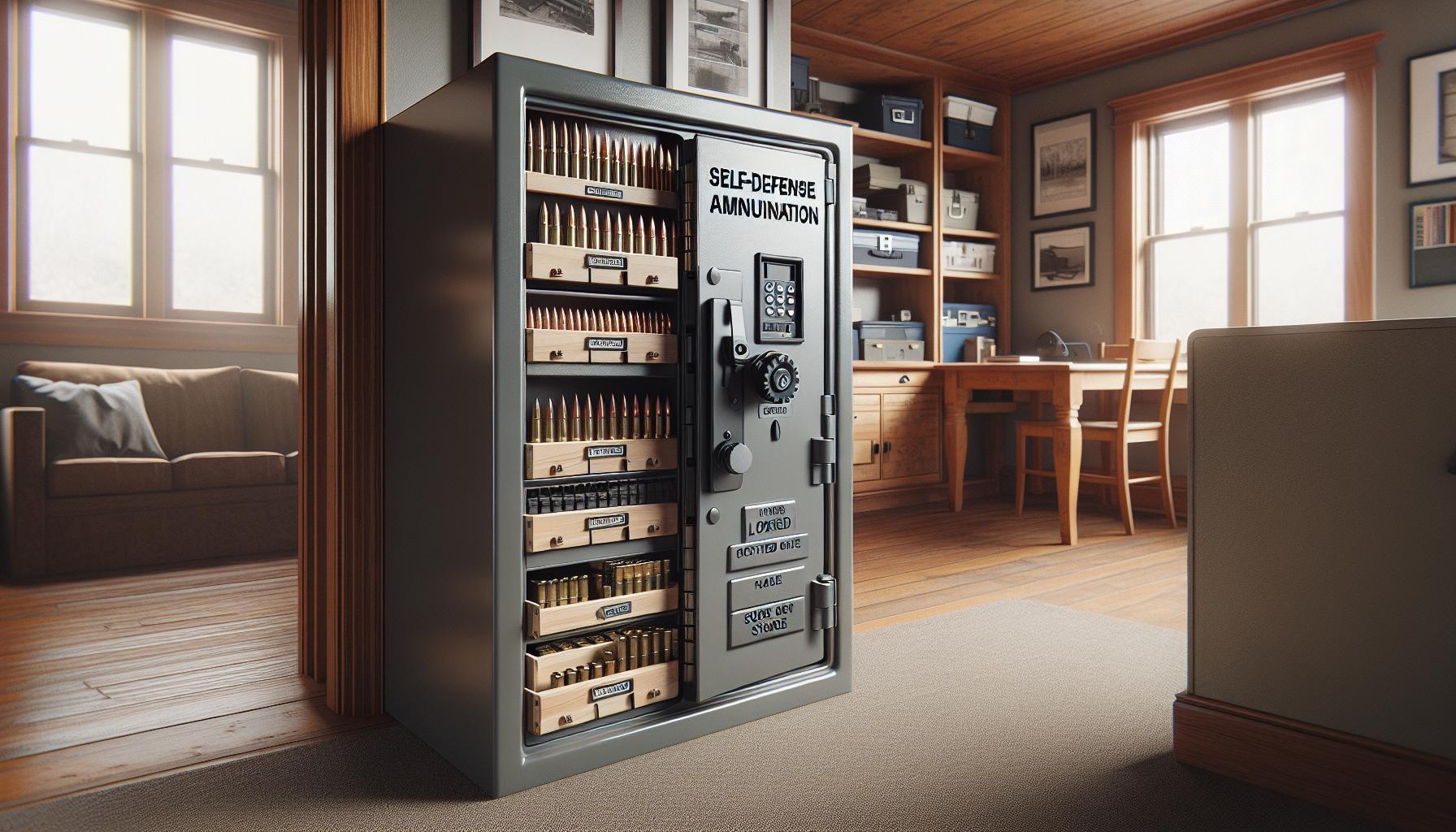
Safety Protocols When Storing Self-Defense Ammunition
Proper storage of self-defense ammunition is crucial not only for safety but also for ensuring that your rounds perform reliably when you need them most. A surprising statistic reveals that improperly stored ammunition can lead to dangerous misfires or even malfunctions in critical situations. To avoid such risks, adhering to strict safety protocols when storing your ammunition is essential.
Maintain a Controlled Environment
Ammunition should be stored in a cool, dry place to prevent degradation and ensure effectiveness. Excessive heat, moisture, and humidity can cause rounds to corrode or become unreliable. Utilize airtight containers to protect ammunition from environmental factors. Additionally, keep your ammunition away from direct sunlight and extreme temperatures, ideally between 50°F and 70°F (10°C to 21°C) for optimal preservation.
Secure Storage Solutions
Implementing secure storage practices enhances safety, especially in homes with children or non-familiar individuals. Here are essential guidelines:
- Use Lockable Storage: Invest in a lockable cabinet or safe that restricts access. A gun safe not only stores firearms safely but can also accommodate ammunition.
- Store Separately: Keep ammunition separate from firearms when not in use to prevent unauthorized access and accidental discharges.
- Organize Properly: Use labeled boxes or containers for different calibers to avoid confusion, especially during high-pressure scenarios.
Regular Inspections
Establish a routine for inspecting your ammunition. Check expiration dates, visual integrity, and overall condition. Discard any rounds showing signs of damage, such as corrosion or deformation, as these could fail to fire or cause a dangerous situation. Document your inventory, including dates of purchase and inspection, to maintain a thorough record of your ammunition supply.
Educate and Train
Ensure that everyone who may have access to your ammunition understands the importance of proper handling, storage, and usage. Consider conducting safety sessions to enhance awareness about the implications of ammunition misuse. The knowledge that comes with education not only fosters responsible behavior but also builds accountability within the household.
By adhering to these safety protocols, you can significantly reduce the risks associated with storing self-defense ammunition. Remember, being prepared is about more than just having the right ammunition; it’s also about ensuring that it is stored safely and responsibly for everyone’s protection.
Enhancing Your Confidence: Training with Your Chosen Ammo
Training with your selected self-defense ammunition goes far beyond merely familiarizing yourself with how to load, aim, and fire a weapon. It requires an understanding of the specific characteristics of your ammunition, the implications of your choices, and the crucial importance of responsible practice. Based on proven rounds, a well-rounded training regimen can instill confidence in your ability to use your firearm effectively should the time come to defend yourself.
Begin by incorporating regular live-fire training with the ammunition you intend to use for self-defense. Each brand and type can behave differently in terms of recoil, muzzle rise, and accuracy. Gaining proficiency with your chosen rounds will help reduce the stress and confusion during a real-life encounter. Utilize various training drills that replicate potential scenarios you may face. For example, engage in drills that focus on rapid target acquisition under stress, as this will support your readiness in high-pressure situations.
Understanding Legal and Ethical Considerations
Before stepping onto the range, it’s vital to comprehend the weight of your decision to carry ammunition designed for self-defense. Understanding the legal ramifications in your state regarding the use of lethal force is paramount. The laws that govern self-defense vary widely, and being well-versed in these will not only enhance your training effectiveness but will also bolster your confidence in the ethical use of force. A responsible self-defense instructor will underscore the importance of proportional response-only using the level of force that matches the threat you’re facing.
Realistic Scenario Training
Incorporate scenario-based training into your practice sessions. Engage in force-on-force training that involves simulated attacks using training knives or foam guns, allowing you to respond to immediate threats in a controlled environment. This kind of preparation not only sharpens your shooting skills but also your situational awareness and decision-making processes. Always remember to review and reflect on your performance afterward to identify areas for improvement.
Essential Safety Practices
When practicing, employ safety measures that mirror real conditions. Use appropriate eye and hearing protection, and ensure that your training environment is secure and well-organized. By embedding safety protocols in your practice routine, you not only protect yourself but also those around you. Encourage discussions about experiences and tactics within your training group, as peer learning can significantly increase your awareness and skill level.
Emphasizing consistent training with your self-defense ammunition will not only heighten your proficiency but also foster a mindset prepared for responsible defense. Remember, confidence in your ability to respond effectively is vital, but so is recognizing the moral and legal weight of your actions. Arm yourself not just with weapons and ammunition, but with knowledge, respect for life, and a commitment to protecting yourself and your loved ones responsibly.
Frequently Asked Questions
Q: What are the most effective types of ammunition for self-defense?
A: The most effective types of ammunition for self-defense include hollow points, which expand upon impact for maximized stopping power, and frangible rounds, designed to minimize risk to bystanders. These options enhance the likelihood of incapacitating an attacker while reducing bullet over-penetration, making them suitable for close quarters.
Q: How can I choose the right caliber for self-defense ammunition?
A: To choose the right caliber for self-defense ammunition, consider factors like stopping power, recoil, and your shooting proficiency. Popular calibers such as 9mm, .40 S&W, and .45 ACP each have unique attributes affecting their effectiveness. Try different calibers at a range to find which you handle best while still providing adequate stopping power.
Q: What is the importance of bullet penetration in self-defense situations?
A: Bullet penetration is vital in self-defense situations as it affects the round’s ability to reach vital organs. Ideally, defensive ammunition should penetrate sufficiently (typically 12-18 inches) to ensure effectiveness while preventing over-penetration into unintended targets. Balancing penetration and expansion is key to maximizing the effectiveness of self-defense rounds.
Q: Are there legal restrictions on self-defense ammunition in my state?
A: Yes, legal restrictions on self-defense ammunition vary by state. Some states have laws concerning the types of bullets you can carry, such as hollow points or armor-piercing rounds. Always check with local laws and regulations to ensure compliance and consult the section on state-specific regulations on ammunition for defense in your self-defense resource.
Q: How does the choice of self-defense ammunition affect legal outcomes?
A: The choice of self-defense ammunition can significantly affect legal outcomes post-incident. Jurors may view the use of certain types, like hollow points, as more reasonable for self-defense than others. It’s crucial to select ammunition that aligns with the notion of reasonable force in self-defense contexts, understanding how it could impact legal perceptions.
Q: What are common myths about self-defense ammunition I should avoid?
A: Common myths about self-defense ammunition include the belief that more expensive means better, or that any hollow point is sufficient. It’s essential to prioritize reliable brands and tested ammunition over price, ensuring it performs well in real conditions and meets your specific self-defense needs.
Q: How should self-defense ammunition be stored for safety?
A: Self-defense ammunition should be stored in a cool, dry place, ideally in a secured container that prevents unauthorized access. Consider using a lockbox or safe to ensure both safety from children and protection against environmental damage, as discussed in our section on safety protocols when storing self-defense ammunition.
Q: What is the role of training with self-defense ammunition?
A: Training with self-defense ammunition is essential as it builds familiarity and comfort with your firearm and chosen ammo. Engaging in regular practice helps refine your skills and ensure effective response in high-stress situations, enhancing both confidence and accuracy in self-defense scenarios.
Final Thoughts
Understanding the best ammunition for self-defense is crucial for ensuring your safety and preparedness in critical situations. The types of rounds discussed offer proven effectiveness that aligns with legal and ethical considerations. Remember, the key to responsible self-defense is knowing your local laws and the appropriate use of force. Take action now: review your options, talk to experts, and equip yourself not just with the right ammunition but with knowledge and strategy.
For more insights on choosing the perfect self-defense strategy, explore our articles on firearm safety practices and legal considerations in self-defense scenarios. Don’t hesitate to connect with us or leave a comment below-your experience and questions matter. Stay informed, stay safe, and empower yourself with the right tools for protection. Together, let’s prioritize safety and responsible defense!
Get our latest guides, news, and insights highlighted in your Google Search & AI Overviews.