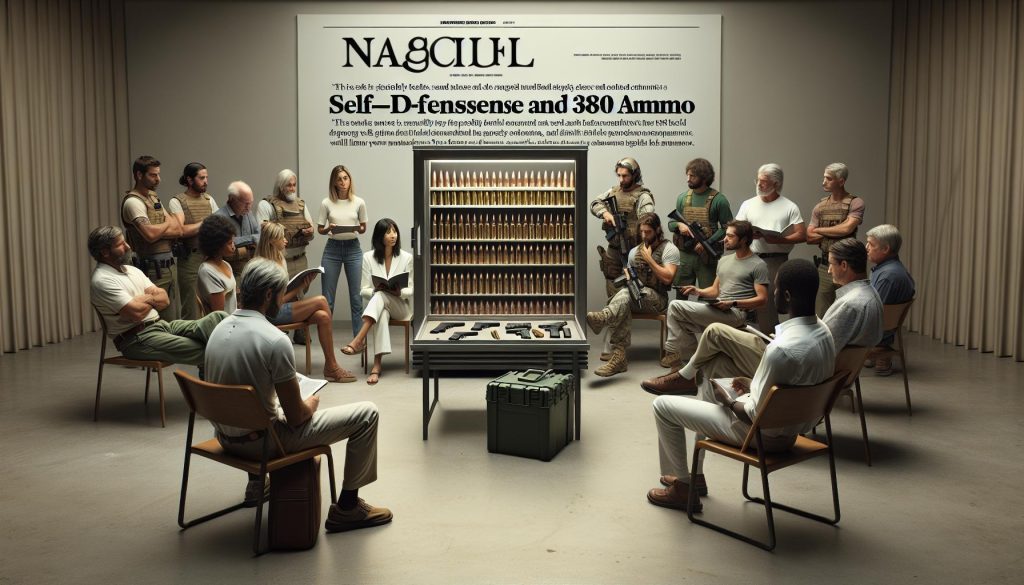
In the realm of personal defense, choosing the right ammunition for your .380 pocket pistol is crucial. The .380 ACP is favored for its balance of manageable recoil and effective stopping power, making it a popular choice for concealed carry. However, not all .380 ammo is created equal. Selecting the best self-defense loads can significantly impact your safety and confidence in a high-stress situation.
Many gun owners are concerned about how their ammunition choice influences their defense strategy. Effectiveness varies based on factors like bullet design and penetration depth. By understanding the available options, you can tailor your selection to meet legal standards and personal needs. As we explore the best .380 ammo for self-defense, you’ll learn how to make informed decisions that prioritize safety and efficacy, ensuring you’re prepared to protect yourself responsibly in any potential confrontation.
Understanding .380 ACP for Self Defense
The .380 ACP, often regarded as a reliable choice for self-defense, finds favor among those seeking a balance between stopping power and manageable recoil in a compact format. While some critics argue that its power is insufficient compared to larger calibers, the .380 can still deliver effective performance, especially in a well-designed pocket pistol. This cartridge serves as a practical option for concealed carry, providing ease of handling without overwhelming the user, making it particularly appealing for those who may be inexperienced or have less upper-body strength.
When considering .380 ammo for self-defense, it is essential to prioritize reliability and performance. The effectiveness of the .380 ACP comes not just from its ability to fire rounds but also from selecting the right ammunition. Hollow point (JHP) projectiles are typically favored for self-defense scenarios because they expand upon impact, creating larger wound channels compared to full metal jacket (FMJ) rounds that are designed for target shooting. The right load can significantly enhance penetration and energy transfer upon impact, which are critical factors in incapacitating a threat.
Always remember that the legal and ethical ramifications of using any firearm in self-defense cannot be understated. Each state has specific laws governing the carry and use of firearms, which may include requirements for permits and restrictions on ammunition types. Understanding these factors, alongside the moral implications of potentially using lethal force, is vital for responsible gun ownership. The .380 ACP can be part of a well-rounded self-defense strategy, but it must be treated with the seriousness it deserves, ensuring that users are educated, prepared, and equipped to face real-life confrontations, always favoring de-escalation when possible.
Why Choose .380 for Pocket Guns?
The .380 ACP cartridge stands out as a top choice for those seeking reliable and easily concealable pocket guns. One of its primary appeals lies in its balance of power and manageable recoil, making it particularly suitable for novice shooters or individuals who may find larger calibers intimidating. A pocket gun chambered in .380 allows for quick access and deployment, essential characteristics for self-defense situations where every second counts.
When choosing a .380 pistol, several factors contribute to its effectiveness as a defensive option. A compact design is paramount, allowing for seamless concealment and comfort when carried daily. Additionally, the lightweight nature of many .380 firearms promotes ease of handling, encouraging responsible ownership and practice. For those concerned about weight or space, many .380 models easily fit into bags or even pockets, maintaining a low profile without sacrificing readiness.
Reliability is non-negotiable in a self-defense weapon, and many .380 models have established reputations for dependable performance. It is imperative to select a reputable brand and familiarize oneself with the specific firearm to ensure optimal functioning. Engaging in regular practice with your chosen pocket gun not only enhances skill but also fosters confidence. This confidence is essential in high-stress situations, where hesitation can lead to dangerous outcomes.
Furthermore, legal considerations regarding the .380 ACP must be understood and respected. Each state has laws governing defensive firearm use that can significantly vary, including stipulations on carry methods and permissible ammunition types. Before selecting a .380 firearm for self-defense, it’s crucial to be informed about these regulations to ensure compliance and responsible ownership. In essence, the .380 ACP, when selected and used wisely, can serve as an effective component in a well-rounded self-defense strategy, complementing a broader focus on safety and personal preparedness.
Key Factors in Selecting Self-Defense Ammo
Selecting the right ammunition for self-defense is crucial, particularly when considering the .380 ACP caliber for pocket guns. The effectiveness of a round can be influenced by several key factors, including energy, expansion, and intended use. Therefore, understanding these components can significantly impact your self-defense strategy.
To start, reliable ammunition is paramount. In a self-defense scenario, hesitation can be fatal, making it essential to choose ammunition that consistently performs under pressure. You should prioritize brands with proven track records in reliability and performance. Look for ammunition that provides a reliable feeding in your specific firearm, as malfunctions during a critical moment can have dire consequences.
Another important aspect is bullet type. The .380 ACP typically comes in two primary types: Full Metal Jacket (FMJ) and Jacketed Hollow Point (JHP). FMJ is designed for target shooting and training, as it offers less expansion and penetration, which is less desirable in a self-defense context. In contrast, JHP rounds are engineered to expand upon impact, increasing stopping power and minimizing the risk of over-penetration, which can pose dangers in populated areas. It’s vital to choose JHP for self-defense as their design aims to incapacitate an assailant effectively while also reducing the risk of collateral damage.
When evaluating self-defense rounds, consider ballistics performance, including velocity, energy, and penetration depth. A good .380 self-defense round should ideally achieve a balance between sufficient stopping power and control. Research and test various loads within your firearm, paying attention to how they perform in terms of recoil and manageability. This hands-on experience factors into not just safety, but also comfort with your weapon.
Finally, always stay informed about legal requirements regarding ammunition in your state. Some jurisdictions have specific restrictions on the types of ammunition allowed for civilian use in self-defense scenarios. Being aware of these laws not only helps in making responsible choices but also ensures that you are prepared in case of a legal examination following a defensive incident.
With these factors in mind, you can select .380 ammunition that not only meets your self-defense needs but also promotes responsible and ethical firearm ownership.
Top .380 Ammo Brands for Reliability
Choosing the right ammunition for self-defense can fundamentally affect your preparedness and effectiveness in critical situations. When it comes to .380 ACP, reliability is not merely a preference; it’s a requirement. Some brands have established themselves as leaders in the .380 ammunition market, providing rounds that perform consistently under high-stress conditions.
Among the top contenders, Federal Premium offers the HST line, known for its exceptional expansion and penetration. This ammunition is engineered to perform reliably in various scenarios, making it a popular choice among law enforcement and civilian defenders alike. Another reputable brand is Hornady, which produces the Critical Defense series, specifically designed for self-defense applications. These rounds feature a patented FTX bullet that helps provide reliable expansion even through thicker clothing, a common hindrance in real-world encounters.
Winchester’s PDX1 is another brand worthy of consideration, noted for its consistent performance and high-quality components. This ammunition blends expansion with controlled penetration to achieve a balance that is crucial in self-defense situations. Speer Gold Dot is also highly regarded, especially for its innovative bullet design that enhances performance in critical situations through low recoil while offering reliable expansion.
When selecting the right .380 ammo, it is essential to inspect how these brands perform in your specific firearm. A thorough evaluation involves testing the ammunition to check for reliable feeding and ejection, which are crucial in life-threatening encounters. Different firearms may interact differently with specific ammunition, so what works flawlessly in one gun may not perform as well in another. Understanding this can significantly bolster your self-defense strategy and ensure you have the most effective tools available when you need them most.
BALLISTICS: Evaluating .380 Performance
The .380 ACP cartridge, while often viewed as an underdog in the self-defense landscape, boasts a unique balance of compactness and effectiveness that many concealed carriers find appealing. Its reputation comes not only from its size but also from its capability to deliver meaningful performance in real-life scenarios. When evaluating .380 ballistics for self-defense, two primary factors dominate the discussion: velocity and energy.
Understanding Velocity and Energy
In ballistics, the velocity of a bullet correlates directly to its potential for stopping power. The .380 ACP typically ejects bullets in the range of 900 to 1,000 feet per second, which is sufficient for effective terminal performance at typical self-defense distances, usually under 25 yards. However, while it might not match the punch of larger caliber rounds like the 9mm or .40 S&W, it can still penetrate to acceptable depths in ballistic gel, often reaching the ideal 12 to 18 inches that is critical for stopping power.
The energy carried by the bullet, measured in foot-pounds, further influences its capacity for harm. A typical .380 round can generate around 200 to 250 foot-pounds of energy, making it capable of delivering serious injury or incapacitation to an attacker under immense pressure. It’s crucial to remember that, although a .380 may not have the same raw stopping power as larger calibers, effective shot placement is vital. A well-placed .380 round in a critical area may prove more effective than a poorly placed shot from a larger caliber.
Factors Impacting .380 Performance
While ballistics offer a framework for understanding the performance of the .380 ACP, variables such as bullet design and construction also play key roles in how the ammunition performs in self-defense scenarios. Expansion and penetration are critical; performing reliably in diverse situations, such as through clothing or other barriers, can significantly influence outcomes. Quality brands such as Federal, Hornady, Winchester, and Speer have tailored their products to excel in these areas by designing bullets that expand predictably upon impact and maintain adequate penetration depth.
Ultimately, emphasizing training with .380 ammunition cannot be overstated. Regular practice familiarizes you with how your weapon handles, what recoil feels like, and how to manage your firearm in stressful situations. Understanding the terminal performance mechanics of your chosen ammunition paired with consistent training will empower you with the confidence to respond effectively and ethically in a defensive scenario.
Expansion and Penetration: What Matters?
Understanding the effectiveness of a self-defense round often comes down to two crucial components: expansion and penetration. For .380 ACP cartridges, these factors play a vital role in ensuring that your ammunition can deliver the intended performance when it matters most. Unlike larger calibers, the .380 requires thoughtful selection of ammunition to maximize its defensive capabilities, making an understanding of these principles essential.
The expansion of a bullet refers to its ability to expand upon impact with a target, increasing its diameter and thereby creating a larger wound channel. This feature is paramount for the .380 as it compensates for the round’s lower energy and momentum compared to larger calibers. High-quality Jacketed Hollow Point (JHP) rounds are designed specifically for this purpose. They initiate expansion as they penetrate soft tissue, helping to deliver greater stopping power. In contrast, Full Metal Jacket (FMJ) rounds are less effective for self-defense because they do not expand and are more likely to pass through the target with minimal tissue damage, risking over-penetration and collateral damage.
Next is penetration, which is equally critical. For a .380 ACP, the goal is to achieve sufficient depth-ideally between 12 to 18 inches of penetration-enough to reach vital organs while ensuring that expansion does not inhibit its ability to penetrate adequately. In practical terms, this means testing your chosen ammunition in ballistic gel or similar mediums to assess real-world performance. Rounds such as Hornady Critical Defense and Federal HST are often praised for their balanced expansion and penetration characteristics, making them more suited for defensive use than standard target ammunition.
Real-life scenarios highlight the importance of proper ammunition selection. In self-defense situations, the potential need to penetrate through clothing or barriers becomes a significant factor. For instance, .380 rounds that can reliably expand after penetrating fabric offer a better chance at causing incapacitating injuries while preserving the shooter’s legal standing-minimizing the risk of unintended harm to bystanders.
In conclusion, choosing the right ammunition for your .380 pocket gun means prioritizing rounds that offer effective expansion and reliable penetration. By understanding these critical factors, you’re equipped not only to select the best self-defense ammo but also to approach your self-defense preparations with the seriousness they merit. Always remember that effective self-defense is not just about having the right weapon or ammunition, but also about the ability to make responsible and ethical choices when faced with a potential threat.
Real-Life User Experiences with .380 Ammo
In the realm of self-defense, the .380 ACP has carved out a niche that many users find particularly appealing-specifically for its compactness, manageable recoil, and suitability for everyday carry. However, the performance of any round, including the .380, is best understood through the lens of real-life experiences shared by those who have trusted this caliber in critical situations.
Numerous firearm enthusiasts and self-defense advocates recount instances where the choice of .380 ammunition has made a significant impact. A common sentiment expressed in various forums and discussions is the importance of reliable expansion and penetration characteristics, especially when using compact firearms. Users often note that premium JHP (Jacketed Hollow Point) rounds like the Hornady Critical Defense or Federal HST have consistently provided satisfactory performance in both range tests and practical scenarios. One user remarked on a real-life encounter where they relied on their .380 with these specific loads, emphasizing that the ammunition’s ability to expand reliably after penetrating clothing and light barriers was crucial in ensuring effective stopping power without over-penetrating.
Lessons Learned from Real Incidents
Feedback from .380 ammo users frequently highlights critical lessons learned: the necessity of ongoing training and familiarization with chosen ammunition. In recounting their personal experiences, individuals often stress the value of live fire practice with their self-defense ammunition. One user mentioned how their practice sessions not only built confidence but also allowed them to understand the specific recoil and bullet drop of their .380 with various loads. This knowledge proved essential during a potential self-defense situation, as they felt prepared and aware of their weapon’s capabilities.
However, it is crucial to acknowledge that carrying a .380, like any firearm, comes with significant moral and legal responsibilities. Several users shared their concerns regarding the potential legal repercussions stemming from a self-defense incident. Engaging with the community, they recommend thorough knowledge of local laws surrounding the use of force, emphasizing that having the right ammunition is just one aspect of a larger strategy for responsible gun ownership.
In summary, real-life experiences with .380 ammunitions illustrate that while size and stopping power are important, adherence to ethical standards in self-defense is paramount. Users encourage ongoing education, training, and discussions about the legal implications of using firearms for protection, all pivotal to navigating the challenges of armed self-defense effectively.
Legal Considerations for Carrying .380 Ammo
Understanding the legal ramifications of carrying .380 ammunition is critical for responsible gun ownership. The choice to carry a firearm for self-defense involves significant ethical and legal responsibilities, especially in the context of the .380 ACP, which is popular for its compact size and manageable recoil. Each state in the U.S. has its own laws regarding concealed carry, use of force, and the justification for using deadly force in self-defense situations. Familiarizing yourself with these laws is non-negotiable. Many individuals mistakenly assume that the laws are uniform, leading to grave consequences if they find themselves in a self-defense incident.
When considering carrying a .380 for self-defense, knowing the local statutes surrounding use of force and concealed carry permits can protect you legally and morally. For instance, in some jurisdictions, the “Stand Your Ground” law allows individuals to use reasonable force, including deadly force, to protect themselves without the requirement to retreat. Understanding whether your state recognizes this law can affect how you prepare for any encounter. Furthermore, keep in mind that the burden of proof may shift to you in a legal case after a self-defense incident, requiring that you demonstrate your actions were justified under the circumstances.
Documentation and Training
Legal preparedness extends beyond knowledge of state laws; it includes proper documentation such as permits, firearm registrations, and proof of training. Completing a state-approved course not only equips you with critical skills for effective self-defense but can also serve as a legal shield if a defensive action is ever questioned in court. Regular training can sharpen your decision-making skills under pressure, ensuring you respond appropriately to threats without escalation.
It’s also wise to keep thorough records of any self-defense ammunition purchased, as well as notes on your training sessions. If you ever use your firearm, demonstrating that you have undergone practical training with the exact loads you carry may support your case by confirming you were equipped and knowledgeable about your weapon’s operation and performance.
To sum up, carrying .380 ammo responsibly isn’t merely about choosing the right round; it involves a comprehensive understanding of legal considerations, including local laws, documented training, and ethical implications of defensive actions. Engaging with local firearm communities or legal experts can provide additional insights tailored to your specific situation and locality. This proactive approach promotes not only personal safety but also responsible citizenship in the realm of self-defense.
Comparing .380 Ammo Types: FMJ vs. JHP
When it comes to selecting the right ammunition for your .380 ACP pocket gun, the choice between Full Metal Jacket (FMJ) and Jacketed Hollow Point (JHP) rounds is crucial. Each type of ammo has its own unique advantages and considerations, particularly in the context of self-defense situations. Understanding these differences can significantly impact your decision-making process and effectiveness in a critical moment.
FMJ rounds are often favored for practice due to their lower cost and reliable feeding in various firearms. They are designed for target shooting and training, with a solid lead core encased in a metal jacket that reduces barrel wear and improves durability. However, in a self-defense scenario, FMJ lacks the stopping power that is often required. The round’s propensity to penetrate without expanding may lead to over-penetration in a confrontational situation, potentially posing a risk to bystanders. Therefore, while FMJs can be effective for practice, they may not be the best choice for actual self-defense.
On the other hand, JHP ammo is specifically engineered for defensive use. The hollow point design facilitates expansion upon impact, allowing the bullet to create a larger wound channel and transfer more energy to the target. This increases the likelihood of incapacitating an aggressor more quickly, which is paramount in self-defense situations. JHP rounds are also less likely to over-penetrate, reducing the risk of collateral damage. While they are typically more expensive than FMJ, their superior performance in real-world scenarios makes them a wise investment for anyone serious about their personal safety.
Ultimately, the best choice between FMJ and JHP depends on your specific needs and the legal framework in your area regarding use of force. Make sure to familiarize yourself with local regulations and participate in practical training sessions to enhance your understanding of how your chosen ammunition performs. Regular practice with your selected ammo type will also improve your confidence and proficiency, which is vital in the realms of self-defense and responsible firearm ownership. This thoughtful approach balances the effectiveness of self-defense with the legal and ethical responsibilities that come with carrying a firearm.
Optimal Load Recommendations for Self Defense
When considering ammunition for your .380 ACP pocket gun, the choice of load can significantly impact your self-defense strategy. A well-selected round not only enhances your personal safety but also aligns with your legal and ethical responsibilities as a firearm owner. The goal is to choose ammunition that balances stopping power, reliability, and manageable recoil, enabling effective defense while minimizing the risk of collateral damage.
For self-defense, Jacketed Hollow Point (JHP) ammunition is often recommended due to its design that allows for expansion upon impact. This expansion increases the likelihood of incapacitating an aggressor through a wider wound channel while reducing the chances of over-penetration. Some of the top JHP brands to consider include:
- Hornady Critical Defense: Renowned for its reliable expansion and consistent performance.
- Winchester PDX1 Defender: Features a bonded bullet design for better weight retention and expansion.
- Federal Premium HST: Known for its deep penetration and expanded diameter, making it effective for self-defense scenarios.
While JHP rounds are optimal for defensive situations, it’s also essential to consider the specific content of your local laws regarding self-defense ammunition. Some jurisdictions may have restrictions on certain types of ammunition, influencing your options. Familiarize yourself with these regulations to ensure compliance while selecting your defensive load.
A well-rounded approach includes regularly practicing with your chosen ammunition type to build familiarity, confidence, and marksmanship skills. Engage in training scenarios that mimic real-life situations, allowing you to understand how your selected rounds perform under stress. This training not only enhances your capability to respond effectively but also reinforces the ethical considerations involved in using force when needed.
By making informed decisions based on your needs, legal context, and through continuous practice, you will be better prepared to protect yourself in a potentially life-threatening situation while upholding your moral and legal responsibilities.
Maintenance Tips for .380 Pocket Guns
Maintaining your .380 pocket gun is crucial for ensuring its reliability and performance, especially considering its role in self-defense. Even the best ammunition won‘t matter if your firearm is not in good working condition. Regular maintenance not only promotes safety but can enhance your confidence when carrying your weapon.
Start by cleaning your gun after each use, as residue from fired ammunition can accumulate and affect performance. Use a quality cleaning kit tailored for your specific model. Focus on the barrel, slide, and magazine, and use non-abrasive brushes and patches to prevent damage. After cleaning, always lubricate the moving parts lightly; too much oil can attract dust and debris, while too little can lead to malfunctions.
Perform function checks regularly, ideally every time you clean your firearm. This includes ensuring that the safety mechanisms engage properly and that the ammunition feeds smoothly. Keep an eye on any springs and components that might wear out over time. Replacing parts when they show signs of wear can prevent malfunctions in critical situations.
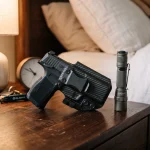
Additionally, store your .380 in a manner that protects it from moisture and physical damage. Use a dedicated holster that accommodates safe carrying practices, ensuring that the trigger guard is covered. Consider investing in a desiccant pack if you live in a humid area, as maintaining an appropriate environment for your firearm is key to its longevity.
Finally, staying informed about your specific laws regarding storage and carrying practices can further enhance your preparedness. Regular engagement with responsible training can help you build confidence in your firearm and ensure you are ready should the need for defensive actions arise.
Training with .380 Ammo for Confidence
Training with .380 ammunition is a decisive step in building both your proficiency and confidence as a responsible gun owner. Understanding the nuances of shooting a .380 pocket gun is crucial, particularly when it comes to self-defense situations where quick action may be required. Unlike higher calibers, the .380 offers softer recoil, allowing for faster follow-up shots, which is critical when under stress. However, mastering this caliber involves more than mere familiarity with the firearm; it encompasses the understanding of legal considerations and the ethical implications of using force.
To cultivate proficiency, incorporate regular practice sessions that simulate real-world scenarios. Focus on critical skills such as target acquisition, marksmanship, and maintaining control under pressure. Begin by engaging in dry fire practice, which can enhance your trigger control and overall handling without the cost of ammunition. Once comfortable, transition to live fire exercises, emphasizing speed and accuracy. Utilize drills that include moving and shooting, draw-and-fire techniques, and multiple target engagements to mimic potential self-defense scenarios.
During training, it’s essential to familiarize yourself with various .380 ammo types-both Full Metal Jacket (FMJ) and Jacketed Hollow Point (JHP) rounds serve distinct purposes. While FMJ rounds are often less expensive for practice, JHP rounds are more effective for self-defense due to their design which enhances expansion and penetration. Understanding how each behaves can not only improve your shooting skills but also equip you with the knowledge to make informed decisions in critical moments.
Furthermore, never underestimate the importance of the legal landscape surrounding self-defense. Each state has specific regulations regarding the use of firearms, and knowing these laws can radically affect your response in a tense situation. Educating yourself about when and how much force is legally permissible ensures that you remain within the boundaries of the law, helping to avoid severe repercussions that can arise from an unlawful use of force. Training isn’t just about honing the physical aspects of shooting, but also about instilling a sense of responsibility, awareness, and ethical consideration in all your self-defense practices.
Incorporating emotional conditioning into your training regimen is also vital. Experiences of fear and anxiety can have a significant impact during a confrontation. Understand that feeling these emotions is natural. The key is to train your mind to respond effectively despite them. Visualization techniques and scenario-based training can prepare you to deal with the adrenaline rush and stress that accompanies potential defensive situations, contributing to your overall confidence in carrying and using your firearm responsibly.
Frequently asked questions
Q: What is the best self-defense ammo for .380 pocket guns?
A: The best self-defense ammo for .380 pocket guns includes hollow-point bullets designed for maximum expansion and penetration. Brands like Speer Gold Dot, Hornady Critical Defense, and Federal Hydra-Shok are often recommended due to their reliability and effectiveness in real-world scenarios.
Q: How does .380 ammo perform in self-defense situations?
A: .380 ammo is known for its manageable recoil and sufficient stopping power for self-defense. It is crucial to select high-quality hollow-point rounds, as they expand upon impact, improving lethality while minimizing the risk of over-penetration.
Q: Is FMJ or JHP better for .380 self-defense?
A: Jacketed Hollow Point (JHP) is generally better for self-defense compared to Full Metal Jacket (FMJ). JHP ammo expands on impact, causing greater wounds, while FMJ is designed to penetrate without expanding, potentially leading to less effective stopping power in an encounter.
Q: What factors should I consider when selecting .380 self-defense ammo?
A: When choosing .380 self-defense ammo, consider reliability, expansion characteristics, and local laws regarding ammunition use. Testing various brands for reliability in your firearm can help ensure effective performance when needed.
Q: Are there legal restrictions on carrying .380 ammo?
A: Yes, legal restrictions may vary by state and locality regarding the type of ammo you can carry. Always check local laws, particularly concerning hollow-point ammunition and magazine capacity. For detailed guidance, refer to the Legal Considerations for Carrying .380 Ammo section of our article.
Q: How can I practice effectively with .380 self-defense ammo?
A: To practice effectively with .380 self-defense ammo, incorporate drills that simulate real-life scenarios. Regularly train with the same brand of self-defense ammo you carry to familiarize yourself with its performance, and consider incorporating both dry-fire and live-fire exercises into your routine.
Q: What is the recommended velocity for .380 self-defense ammo?
A: For optimal performance, .380 self-defense ammo should typically have a velocity of around 900 to 1,000 feet per second. This range helps in achieving effective expansion and penetration while ensuring manageable recoil for accurate follow-up shots.
Q: How often should I rotate my .380 ammo for self-defense?
A: It’s advisable to rotate your .380 self-defense ammo every 6 to 12 months. This ensures that your ammunition is fresh and reliable, particularly considering that ammunition can degrade over time, affecting performance during critical moments.
Key Takeaways
In conclusion, choosing the right .380 ammo for self-defense is crucial for ensuring your safety and effectiveness in critical situations. Always remember that understanding the legal implications and effectiveness of your chosen ammunition cannot be overstated-staying informed is your best defense. Don’t hesitate to explore our guides on “Understanding Self-Defense Laws” and “Effective Personal Protection Techniques” to further enhance your knowledge.
Now is the time to take action! Whether you’re purchasing ammo or considering additional self-defense training, empowering yourself with the right information can make a significant difference. We invite you to join our community by signing up for our newsletter, where you’ll receive expert insights and updates tailored to your safety needs. Your protection matters; stay sharp and informed for the road ahead!
Get our latest guides, news, and insights highlighted in your Google Search & AI Overviews.