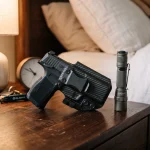

In a world where personal safety concerns are increasingly relevant, self-defense training stands out as an essential life skill that empowers individuals. Learning self-defense not only enhances your ability to protect yourself but also fosters confidence, awareness, and resilience. With rising threats and unpredictable situations in daily life, the knowledge of effective self-defense techniques becomes crucial. It is not merely about combat; it’s about understanding how to navigate various scenarios safely and ethically. This article delves into the myriad benefits of self-defense, demonstrating how these skills can significantly improve mental health, physical fitness, and overall awareness. Continue reading to discover how embracing self-defense can transform not just your approach to safety, but your perspective on personal empowerment as well.
The Importance of Self Defense in Daily Life
In an unpredictable world, the value of self-defense cannot be overstated. It goes beyond mere physical confrontation; learning self-defense is an essential life skill that empowers individuals to navigate various threats and challenges with greater assurance and response capability. A significant aspect of self-defense training is understanding how to protect oneself while also fostering a mindset that prioritizes safety and legality. This dual focus ensures practitioners are not only equipped to handle physical encounters but also prepared to make informed decisions under pressure.
Self-defense skills are about more than just physical prowess. They instill a sense of confidence that can positively impact many areas of life, from improved self-esteem to enhanced situational awareness. When individuals acquire these skills, they gain the ability to assess their surroundings more critically and recognize potential threats before they escalate. This proactive approach is fundamental not only for personal safety but also for preventing situations from spiraling out of control, which can often be achieved through verbal de-escalation techniques.
Furthermore, mastering self-defense techniques fosters a respect for the legal and ethical boundaries of force. It’s crucial for anyone looking to learn these skills to understand the laws surrounding self-defense, as this knowledge can guide their actions during high-pressure situations. A well-rounded self-defense education emphasizes that the goal is not to engage in combat but to protect oneself safely and legally, using the minimum amount of force necessary. Understanding these principles helps create a mindset that values de-escalation over aggression, which is vital for responsibly navigating the complexities of personal safety.
Ultimately, the importance of self-defense lies in its capacity to prepare individuals not just physically, but mentally and ethically. It is an investment in personal safety that encompasses training, preparation, and awareness. By embracing these principles, individuals can approach life’s uncertainties with a balanced perspective-asserting the ability to defend oneself while deeply considering the implications of one’s actions.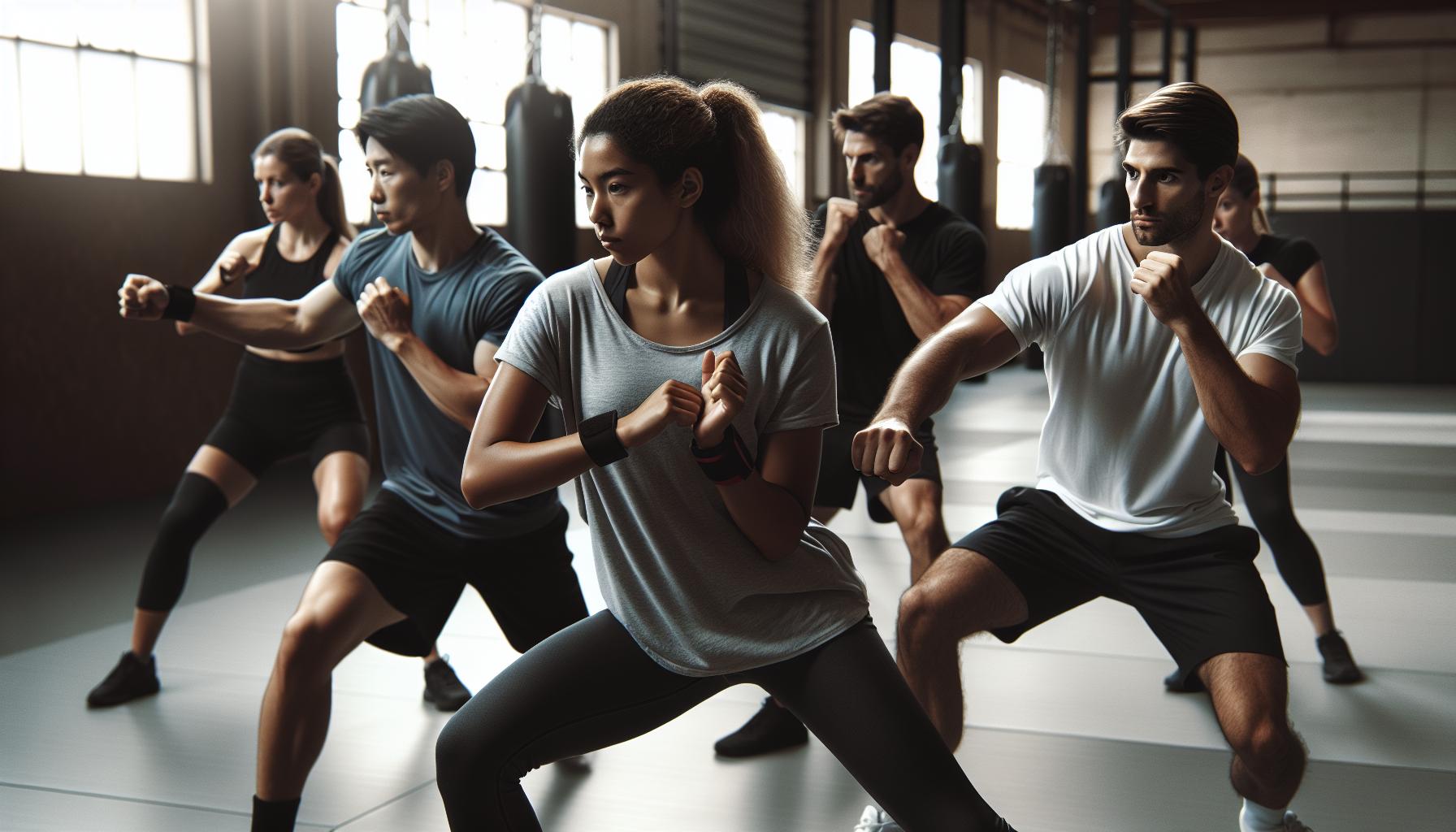
Key Benefits of Learning Self Defense Skills
In a world where threats can appear unexpectedly, equipping oneself with self-defense skills offers invaluable advantages that extend far beyond physical confrontations. These skills not only enhance personal safety but also foster an empowering sense of confidence that permeates all aspects of life. Learning self-defense provides tools to assess and respond effectively to potential dangers, transforming apprehension into preparedness.
One of the most significant benefits of learning self-defense is the boost in self-confidence. Engaging in training builds resilience, encouraging individuals to confront challenging situations with a level of assertiveness that may not have existed before. This newfound confidence can lead to improved interpersonal relationships and increased self-esteem. Moreover, individuals who practice self-defense often exhibit heightened situational awareness, allowing them to identify and react to threats more swiftly. Being alert and aware can serve as the first line of defense, deterring potential attackers and enabling individuals to navigate their environments with greater ease.
Understanding the legal implications surrounding self-defense is another critical aspect. Knowledge of local laws regarding the use of force empowers individuals to make informed decisions. This education is vital in distinguishing between appropriate and excessive responses during confrontational scenarios. By emphasizing the necessity of proportionality in response, self-defense training instills a sense of responsibility-preparing individuals to act within legal boundaries while confidently defending themselves when genuinely threatened.
Furthermore, effective self-defense training incorporates de-escalation strategies that prioritize dialogue over physical confrontation. Techniques emphasizing verbal intervention can prevent conflicts from escalating, showcasing self-defense as not merely a physical practice but a holistic approach to personal safety. This understanding contributes to better community relations through peaceful conflict resolution, creating environments where individuals feel safer and more secure.
As interested individuals begin this journey of self-defense learning, they can expect not only to gain practical skills but also to cultivate an awareness that emphasizes both safety and ethical considerations. The training process is not just about learning techniques; it’s also about instilling a thoughtful mindset that respects legal limits and human dignity, allowing practitioners to navigate challenges responsibly and effectively.
Understanding the Legal Aspects of Self Defense
In moments of crisis, understanding the legal framework surrounding self-defense is crucial. Self-defense laws vary significantly from one jurisdiction to another, meaning what is considered reasonable and lawful in one place might not hold true in another. Consequently, it’s essential to be informed about these laws not only to protect oneself but also to ensure that any response to a threat remains within legal bounds.
The core principle of self-defense is the concept of proportionality. This means that the level of force used in self-defense must correspond to the level of threat. For example, if an individual is confronted with verbal threats or minor physical aggression, a non-violent response or de-escalation techniques may be appropriate and legally justified. Engaging in excessive force in such situations can lead to severe legal repercussions, including potential criminal charges for assault. Therefore, knowing how to effectively assess a situation is vital in determining the appropriate response.
Essential Legal Considerations
When evaluating your self-defense options, consider the following legal aspects:
- Imminence: The threat you face must be immediate. You cannot claim self-defense against a threat that is not occurring at that moment.
- Reasonable Belief: You must have a reasonable belief that you are in imminent danger. This perspective can be subjective and varies based on individual perception.
- Duty to Retreat: In some states, there is a legal obligation to retreat from a threat if it is safe to do so. Understanding whether your state follows this principle is key.
- Use of Weapons: Laws governing weapons in self-defense situations often include specific stipulations regarding what types of weapons can be used and under what circumstances. For instance, using a firearm in a situation where non-lethal force would suffice can lead to legal consequences.
Real-World Implications
It’s also crucial to recognize that legal outcomes can hinge on context. For example, juries often consider stand-your-ground laws, which allow individuals to use force without retreating, whereas other states may require individuals to de-escalate if possible.
Maintaining a strong foundation of knowledge about local self-defense laws can empower individuals to act decisively yet judiciously. It is advisable to consult with legal professionals or take self-defense courses that discuss legal rights and responsibilities. Balancing the instinct to protect oneself with a firm understanding of the legal implications fosters not only better decision-making but also instills essential ethical considerations when faced with potential threats. Ultimately, self-defense training should not glorify violence but prepare individuals to respond ethically and legally within the framework established in their respective jurisdictions.
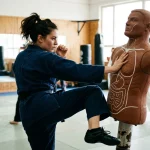
Physical Techniques: Martial Arts for Beginners
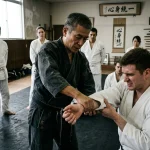
Learning basic martial arts techniques can be transformative, not only enhancing your ability to defend yourself but also fostering a sense of empowerment and confidence. Many beginners may feel intimidated by the idea of stepping into a dojo or gym, but it’s crucial to remember that martial arts training is accessible and can provide essential skills applicable in real-life self-defense situations. By focusing on foundational techniques, you can cultivate both physical and mental resilience that prepares you for unexpected challenges.
Essential Techniques for Beginners
When starting martial arts, specific techniques serve as effective tools for self-defense. Here are some fundamental practices you can explore:
- Stance: A solid stance forms the basis of effective movement and defense. Learn how to position your feet for stability, allowing you to react swiftly.
- Blocking: Master simple blocks to deflect incoming strikes. This skill is vital for protecting yourself from harm without immediately resorting to retaliation.
- Striking: Basic punches and kicks can create distance between you and an aggressor. Focus on proper form to maximize your effectiveness without relying on excessive force.
- Escape Techniques: If grabbed or restrained, knowing how to free yourself is essential. Techniques such as wrist escapes can be practiced safely to build your confidence.
Choosing the Right Martial Art
Certain martial arts styles may resonate more with individuals based on their preferences and objectives. For example, Brazilian Jiu-Jitsu emphasizes ground control and submissions, making it ideal for grappling scenarios. In contrast, Krav Maga focuses on real-world situations and practical defenses, teaching students to neutralize threats efficiently. When choosing a style, consider your physical abilities, interests, and the specific self-defense skills you wish to develop.
Building Confidence and Ethical Training
Martial arts training extends beyond physical techniques; it fosters mental preparedness. Regular practice enhances situational awareness, allowing you to assess threats more effectively and respond more judiciously. Training should always emphasize the ethical use of force and de-escalation strategies. Recognizing when to disengage or retreat can often prevent physical confrontation and keep you safer.
By approaching martial arts with a serious but respectful mindset, beginners can cultivate self-defense skills that prioritize personal safety and legal considerations. This commitment not only prepares you for physical altercations but also instills a deeper sense of confidence and preparedness in daily life.
Comparing Self Defense Styles: Krav Maga vs. BJJ
In a world where self-defense is often a crucial skill that can mean the difference between safety and danger, understanding the merits of various martial arts styles becomes essential. Two prominent self-defense systems are Krav Maga and Brazilian Jiu-Jitsu (BJJ), each offering unique philosophies, techniques, and applications suited to different situations.
Krav Maga is developed with real-life situations in mind, focusing on practical responses to immediate threats. Its training emphasizes striking, situational awareness, and aggressive counter-attacks. Practitioners learn to defend against a variety of attacks, including armed assailants and multiple attackers. The system advocates for the quickest, most efficient neutralization of threats, often prioritizing survival above all else. This emphasis on reality-based training makes Krav Maga particularly appealing for those seeking straightforward, no-nonsense self-defense techniques that can be applied quickly in high-stress scenarios.
On the other hand, Brazilian Jiu-Jitsu offers a grappling-oriented approach, with techniques designed to control an opponent without needing striking. BJJ puts a significant focus on ground fighting, submissions, and leverage, allowing a smaller or weaker individual to overcome a larger adversary through technique and positioning. The practice encourages patience, strategy, and a deep understanding of body mechanics, making it effective in one-on-one encounters. This attribute makes BJJ particularly valuable in situations where a confrontation might go to the ground, providing tools to control and submit an opponent rather than relying on striking.
When contemplating which style to pursue, it’s crucial to consider your personal needs and comfort levels. Both styles come with distinct advantages: Krav Maga’s fast-paced, aggressive approach can empower individuals to react decisively in life-threatening confrontations, while BJJ fosters a comprehensive understanding of self-control and aggression moderation, which is valuable for conflicts that might escalate but can be de-escalated with skill and knowledge. Each discipline not only builds physical ability but also enhances mental preparedness, instilling confidence and equipping practitioners with essential life skills for not only self-defense but also personal empowerment and conflict resolution in day-to-day scenarios.
Mental Preparedness: Confidence and Situational Awareness
In the face of unexpected threats, mental preparedness can often be more critical than physical skills. Confidence in your ability to handle adverse situations and a keen sense of situational awareness can dramatically enhance your safety. As individuals navigate various environments daily, being mentally equipped to assess risks and respond appropriately is essential. It not only shapes your reaction to potential threats but also influences how you carry yourself in public, which can deter aggressors simply because you appear self-assured and observant.
To build this mental resilience, start by practicing mindfulness and attentiveness in your surroundings. Regularly scanning your environment-identifying exits, noting unusual behavior, and recognizing potential hazards-are strategies that can vastly improve your situational awareness. Consider these practical methods for enhancing your mental preparedness:
- Visualization Techniques: Before going into an unfamiliar situation, mentally rehearse how you would respond to various threats. This exercise prepares your brain to react quickly and effectively in real situations.
- Role-Playing Scenarios: Engage in self-defense classes where instructors simulate attacks. Practicing responses helps to create a muscle memory that can kick in during real confrontations.
- Learn to Trust Your Instincts: Your intuition can often alert you to danger before it manifests. Pay attention to feelings of unease and take proactive steps to remove yourself from uncomfortable situations.
Moreover, understanding the legal implications of defensive actions is crucial. It’s important to know when and how to employ physical techniques to ensure that responses are measured and lawful. Using excessive force not only undermines the self-defense intent but can also lead to severe legal consequences. Always strive for de-escalation first; seeking to diffuse potential conflicts verbally can be the best defense.
For individuals with apprehensions or past traumatic experiences, gradual exposure to self-defense training can boost confidence. Feelings of vulnerability often stem from a lack of control over one’s circumstances. By equipping yourself with the knowledge and skills for various scenarios, you can transform that vulnerability into empowerment, helping you navigate the world with more assurance. Taking the time to build both your physical and mental defenses prepares you to handle confrontations more skillfully and responsibly, reinforcing the notion that the most effective self-defense often involves the use of strategy and awareness rather than brute strength.
De-Escalation Strategies: Avoiding Physical Confrontation
In a world where conflict can arise unexpectedly, understanding how to de-escalate a situation is a vital skill that can often prevent physical confrontations. Instead of resorting to violence, many experts in self-defense emphasize the necessity and effectiveness of communication and situational awareness. For example, engaging an aggressor in conversation, calmly addressing the situation, and demonstrating that you’re not a threat can diffuse tension and potentially avoid escalation.
Communication skills play a crucial role in this process. By using non-threatening body language, maintaining a composed demeanor, and employing an even tone of voice, you can often ease an aggressive individual’s mindset. Begin by acknowledging their feelings. Statements like, “I see you’re upset; let’s talk about it,” can validate their emotions without provoking further aggression. Redirecting the conversation towards finding a resolution can lead to a calmer outcome. Consider the following de-escalation techniques:
- Active Listening: Show genuine concern for the other person’s viewpoint. This involves nodding, maintaining eye contact, and repeating back key points they raise to demonstrate understanding.
- Clear and Concise Language: Use straightforward language to express your own feelings and establish boundaries, such as, “I don’t want any trouble. Let’s just walk away.”
- Identify Common Ground: Finding shared interests or experiences can create a bond that alleviates hostility. This approach can help shift focus away from conflict towards cooperation.
Moreover, situational awareness is key in recognizing signs of escalating tension before it manifests into a confrontation. If you notice that conversations are getting louder or the body language of the other person is becoming aggressive, take proactive steps. Maintaining a non-confrontational stance and slowly backing away from the situation communicates that you do not wish to engage further. In certain instances, it may also be wise to remove yourself from the vicinity altogether if you sense that things are about to get out of hand.
This focus on de-escalation is not only a responsible approach but also an ethical one. The legal implications of physical confrontation are significant, and understanding the limits of self-defense is essential. Use of force should always be proportional and as minimal as necessary. Thus, emphasizing de-escalation techniques promotes a culture of safety and respect – crucial components of effective self-defense training. In essence, honing these skills enables individuals not just to defend themselves, but to navigate potentially dangerous situations thoughtfully and effectively.
Weapons in Self Defense: When and How to Use Them
In situations where personal safety is compromised, the use of weapons can be a critical consideration. However, understanding when and how to use them responsibly and legally is paramount. Weapons should always be seen as a last resort, with their use being justifiable only under certain circumstances. Awareness of local laws is vital because the legal ramifications of wielding a weapon can be severe. In many jurisdictions, self-defense laws require that the response to a threat be proportional to the danger posed. This means using a weapon in a situation where lesser measures could suffice may lead to legal consequences.
Types of Self-Defense Weapons
When considering self-defense weapons, there are several options, each with its own advantages and limitations:
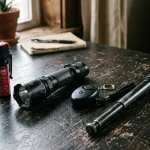
- Pepper Spray: Effective for temporarily incapacitating an assailant, it is legal in many areas and easy to carry. Users should ensure they know how to use it correctly and be aware of the wind direction to avoid blowing it back onto themselves.
- Personal Alarms: These devices emit a loud noise to deter attackers and alert nearby people. They are non-violent and can signal for help without physical confrontation.
- Stun Guns: Also known as tasers, they can incapacitate an assailant temporarily. Knowledge of the device’s legal status in your area is essential, as they can be restricted in some states.
- Firearms: Carrying a firearm for self-defense involves stringent legal requirements and responsibilities. Training and certification are crucial, and understanding the local laws regarding their use is necessary to avoid severe legal consequences.
Using Weapons Responsibly
In any self-defense situation involving a weapon, the overriding principle should be to minimize harm while ensuring personal safety. Consider this framework when thinking about the use of weapons:
- Assess Necessity: Always evaluate whether the situation genuinely calls for a weapon. De-escalation techniques should be attempted first, as many conflicts can be resolved without violence.
- Aim for Deterrence: The mere presence of a self-defense weapon can deter an attacker. Displaying your weapon can sometimes diffuse a potentially dangerous situation without needing to use it.
- Know Your Surroundings: Evaluate your environment to avoid unintended consequences, including harming bystanders or escalating violence. This awareness can be crucial in making split-second decisions.
Remember, embracing weapons as a self-defense option comes with the responsibility of understanding the profound implications of their use. The outcome can vary not only in terms of personal safety but also regarding the legal and moral repercussions of such actions. Always prioritize learning non-lethal self-defense techniques and de-escalation strategies to build a comprehensive self-defense mindset that empowers rather than glorifies violence.
Real-Life Scenarios: Practical Applications of Self Defense
In everyday life, personal safety can be compromised unexpectedly, and understanding how to apply self-defense principles is essential. Consider a scenario where you’re walking alone at night and notice someone following you closely. Your instinct may be to quicken your pace or cross the street. However, if the situation escalates and you feel genuinely threatened, it’s crucial to have a clear plan for self-defense. This knowledge not only empowers you but also prepares you to respond within the legal parameters of self-defense laws, which vary by state.
Real-life application of self-defense can include both verbal and physical strategies. For example, if approached aggressively, employing strong, assertive language can often deter an attacker. Phrases like “Leave me alone!” can assertively communicate that you are not an easy target. If this escalates to a physical confrontation, knowing basic techniques such as how to escape a wrist grab can be invaluable. A simple maneuver involves turning your wrist towards the attacker’s thumb, creating an opportunity to break free.
Another common scenario involves a sudden attack in a populated area, like being shoved onto a bus. In this case, using your body weight effectively can help you escape. Techniques learned in martial arts, such as pivoting and leveraging your opponent’s force against them, can create space for you to escape. Always remember, however, to use justifiable force: responding with excessive aggression can have legal repercussions.
Ultimately, the goal of self-defense isn’t just about physical strength but also about awareness and preparedness. Practicing these techniques in a safe environment-like a self-defense class-helps build confidence and understanding, allowing you to react more effectively when it matters most. As you navigate these potential threats, keep in mind that your first line of defense is often avoiding conflict altogether through situational awareness and de-escalation skills. This approach reflects not only the spirit of self-defense but also the commitment to personal safety in a respectful and responsible manner.
Self Defense for Women: Empowerment and Safety
Every year, countless women face situations where they feel threatened or unsafe, underscoring the importance of self-defense training as a vital skill. Empowerment through self-defense not only equips women with techniques for physical confrontation but also fosters mental resilience and confidence in daily life scenarios. It is essential to recognize that self-defense is not merely about learning to hit back; rather, it is about understanding personal boundaries and asserting oneself in uncomfortable situations.
Building Confidence and Awareness
Self-defense training fosters a sense of empowerment that transcends physical skills. Women who engage in training often discover a newfound self-confidence, enabling them to navigate their environments with greater awareness and control. Situational awareness- the ability to recognize potential threats and respond appropriately- is crucial. By developing this skill, women can anticipate and avoid dangerous situations before they escalate. Furthermore, this training promotes assertiveness; calmly communicating boundaries can effectively deter unwanted attention and aggressive behavior.
Legal Considerations and Ethical Use of Force
Understanding the legal implications of self-defense is paramount. Different jurisdictions have varying laws regarding the use of force, which makes it essential for women to educate themselves on their local self-defense laws. In many places, the principle of proportionality applies; that is, the level of force used in self-defense must be reasonable and appropriate to the threat faced. It’s vital to know that self-defense is justified only as a response to imminent danger, not as a preemptive measure. Training should emphasize not only techniques but also the legal frameworks that define their use, so practitioners remain within the bounds of the law.
Practical Self-Defense Techniques
Women can benefit significantly from learning practical self-defense techniques that focus on effective use of leverage, target points, and escape methods. Techniques such as wrist escapes, basic strikes, and how to properly execute a throw can level the playing field in a confrontation. These skills are often rooted in martial arts styles like Krav Maga, which emphasizes real-world applicability and quick, efficient responses. Enrolling in self-defense classes can also create a supportive community that reinforces the importance of safety and empowerment through practice.
In summary, self-defense is a crucial life skill for women, intertwining physical techniques with psychological readiness and legal knowledge. It prepares individuals to navigate the complexities of personal safety while instilling a sense of empowerment. With the right education and training, women can not only defend themselves but also approach life with increased confidence and determination to embrace their personal safety.
Children and Self Defense: Teaching Essential Skills
Empowering children through self-defense education is more critical than ever in today’s world, where they face various challenges both online and in-person. Teaching children self-defense skills not only imparts physical techniques but also fosters confidence, strategy, and the ability to navigate complex social situations. It’s essential to equip them with the tools to recognize danger and respond appropriately, which can be life-saving in many scenarios.
Key Skills and Techniques
When introducing self-defense to children, the focus should be on simple yet effective techniques that allow them to escape from potential threats while prioritizing their safety. Educators should emphasize the following skills:
- Verbal De-escalation: Teaching children to use their words to defuse a situation can prevent physical confrontations. Role-playing scenarios where they practice assertive communication can boost their confidence.
- Awareness: Instilling a sense of situational awareness helps children identify potential risks before they escalate. This includes recognizing when something feels off and responding by moving to a safer area or seeking help.
- Basic Physical Techniques: Simple self-defense moves such as wrist grabs, escapes, and blocking techniques can be life-enhancing. Focus on moves that allow them to escape rather than engage in a fight.
Legal and Ethical Considerations
Understanding the legal aspects of self-defense is paramount. Children should be informed about the laws regarding self-defense in their jurisdiction, including the concept of proportionality. They must learn that physical responses should only be a last resort and that self-defense actions should be reasonable and appropriate to the situation. Additionally, teaching ethical considerations surrounding self-defense emphasizes the importance of de-escalation and avoiding confrontation whenever possible.
Creating a Supportive Environment
Learning self-defense can be intimidating for children, especially if they have never been exposed to martial arts or physical confrontation. Creating a supportive environment is crucial. Parents and instructors should encourage open discussions about fears and concerns while reinforcing the idea that self-defense is about empowerment and safety rather than aggression. Practicing scenarios together can help children build confidence in their abilities and create a sense of community and support.
By equipping children with self-defense skills and knowledge, we not only teach them how to protect themselves but also instill a sense of confidence that positively impacts all areas of their lives. The balance of physical techniques, legal awareness, and emotional support can prepare children not just to react to potential threats, but to navigate their world with resilience and self-assurance.
Building a Personal Safety Plan: Practical Steps to Stay Safe
In today’s unpredictable world, having a personal safety plan is not just wise-it’s essential. A well-thought-out strategy can provide peace of mind and equip you with the tools needed to respond effectively to potential threats. To start building your robust personal safety plan, consider the following practical steps that emphasize awareness, preparedness, and actionable strategies.
Assess Your Environment
Understanding your surroundings is the first step in any safety plan. Whether you are at home, at work, or out in public, regularly assess your environment for potential risks. Identify exits, safe spaces, and areas to avoid. This awareness helps you stay alert and prepares you to act swiftly in an emergency. Consider developing a routine that includes scanning your surroundings periodically-train yourself to notice details that others might overlook.
Establish Emergency Contacts
Having a list of emergency contacts is crucial. Identify trusted friends, family members, and local authorities that you can reach out to in case of a crisis. Make sure to communicate your plan with them, so they are aware of how they can assist you. Additionally, ensure that you have reliable communication devices, such as a fully charged phone, accessible at all times. In case of technology failure, familiarize yourself with the nearest public phones or alternative methods of communication.
Create a Response Strategy
A response strategy provides a blueprint for action during various scenarios. This can include:
- De-escalation Techniques: Learn how to calmly defuse conflict through communication. Use assertive language to express discomfort and command respect.
- Escape Routes: Whether in a public place or at home, always know your nearest exits and potential safe havens. Practice these routes mentally and physically.
- Self-Defense Skills: Equip yourself with appropriate self-defense techniques that allow you to protect yourself while emphasizing escape rather than engagement.
Legal Considerations and Safe Practices
Understanding the legal implications of self-defense is vital for anyone developing a personal safety plan. Familiarize yourself with local laws regarding self-defense, including the use of force, the duty to retreat, and legal repercussions of carrying self-defense tools such as pepper spray or personal alarms. Remember that proportionality is key; the response must match the level of threat.
Always prioritize avoiding confrontation when possible. Engage in conflict resolution and seek help before resorting to physicality. This protective mindset does not just adhere to the law; it promotes ethical behavior and reduces unnecessary tensions.
By implementing these structured steps into your personal safety plan, you empower yourself to navigate various situations with confidence. A detailed and well-practiced plan lays a foundation for safety and security, allowing you to focus on what truly matters while minimizing risks in everyday life.
FAQ
Q: Why is self-defense considered an essential life skill?
A: Self-defense is crucial because it empowers individuals to protect themselves and others in dangerous situations. Learning self-defense enhances situational awareness, builds confidence, and fosters a sense of security, enabling individuals to fend off potential threats effectively.
Q: What are the mental benefits of learning self-defense?
A: Learning self-defense boosts self-confidence and promotes mental resilience. Practicing self-defense techniques improves focus, enhances decision-making in stress, and cultivates a proactive mindset, increasing someone’s ability to handle unexpected challenges.
Q: How does self-defense training impact personal safety?
A: Self-defense training equips individuals with practical skills to respond effectively to threats, significantly improving their personal safety. It provides strategies to avoid confrontations and techniques to use if a situation becomes unavoidable, enhancing overall safety awareness.
Q: What self-defense methods are most effective for personal empowerment?
A: Effective self-defense methods include Krav Maga, Brazilian Jiu-Jitsu, and Muay Thai. Each style offers unique techniques for self-protection and empowers individuals by improving their physical fitness, coordination, and self-confidence, tailored to different body types and preferences.
Q: At what age should children start learning self-defense?
A: Children can begin learning self-defense as early as age 5 or 6, focusing on basic techniques and situational awareness. Classes designed for children foster not only self-defense skills but also discipline and confidence in handling conflicts safely.
Q: Why is it important to understand the legal aspects of self-defense?
A: Understanding the legal aspects of self-defense is vital to ensure that actions taken during a confrontation are legal and justified. Knowing what constitutes reasonable force can protect individuals from criminal charges and civil liability, making it an essential component of self-defense training.
Q: How can self-defense help in emotional scenarios, such as bullying?
A: Self-defense training helps individuals develop mental fortitude and strategies to confront bullying. It empowers them to stand up against aggressors while also promoting de-escalation techniques, helping maintain emotional balance and resilience in stressful situations.
Q: Can learning self-defense contribute to overall community safety?
A: Yes, when individuals learn self-defense, they not only enhance their own safety but also contribute to overall community security. A community with trained individuals can deter crime, promote safety awareness, and foster a supportive environment that prioritizes personal and collective safety.
Final Thoughts
Understanding the importance of self-defense is crucial for navigating life’s uncertainties. By equipping yourself with essential skills, you not only enhance your personal safety but also cultivate confidence and awareness. Don’t wait for a challenging situation to act; take the next step in your self-defense journey today. Explore our resources on effective techniques and legal considerations for self-defense to empower yourself further.
Check out our guides on practical martial arts techniques, legal rights related to self-defense, and the psychological aspects of confrontation. Remember, being prepared is key, and investing in your safety now can make all the difference later. Join our community for updates and share your thoughts in the comments, as we navigate the complexities of self-defense together! The right knowledge can transform fear into confidence, and you owe it to yourself to be ready.
Get our latest guides, news, and insights highlighted in your Google Search & AI Overviews.