
✨ This article was AI edited. Editorial responsibility: SelfDefenseGuides.info.
Defensive Human Anatomy: Locating and Targeting Primary Physiological Vulnerabilities
Weak points on the human body are specific anatomical regions where protective muscular shielding, thick skeletal plating, or fat deposits are naturally absent or compromised, leaving underlying sensory organs, nervous plexuses, respiratory channels, or vascular conduits exposed to mechanical disruption. In practical self-defense, understanding where human weak points are situated allows an individual—regardless of size or physical strength—to disrupt an aggressor’s nervous system, compromise their respiratory rhythm, or collapse their structural balance using minimal kinetic force.
When facing physical violence or severe physical disparities, relying on brute force or unstructured striking is statistically ineffective for defensive survival. Human skeletal and muscular structures evolved to withstand substantial frontal impacts when braced; however, specific biological zones remain universally vulnerable across all human physiques. Whether an adversary weighs 130 pounds or 250 pounds, the neurological reaction to pressure on the eyes, airway, carotid sinus, or common peroneal nerve is governed by involuntary autonomic reflexes. By categorizing the human body into primary anatomical quadrants, defensive practitioners can systematically map these physiological vulnerabilities for personal safety.
Master Map of Human Anatomical Vulnerabilities
From a biomechanical and tactical perspective, human weak points are organized into four vertical quadrants: Cranial/Facial, Cervical (Neck), Thoraco-Abdominal (Torso), and Lower Extremities. Each quadrant presents distinct physiological reactions when subjected to pressure, strikes, or hyperextension.
| Quadrant | Primary Weak Point Target | Underlying Anatomy | Physiological Response to Impact | Tactical Effect in Defense |
|---|---|---|---|---|
| Cranial / Facial | Eyes (Orbital Cavity) | Optic nerve, lacrimal glands, orbicularis oculi | Corneal reflex, involuntary spasm, intense lacrimation | Immediate blindness, eliminates visual targeting and grip hold. |
| Cranial / Facial | Nose (Nasion & Septum) | Ethmoid bone, septal cartilage, facial nerve branches | Sensory overload, involuntary tearing, epistaxis | Forces head backward, disorients vision, creates disengagement window. |
| Cervical (Neck) | Trachea (Windpipe) & Jugular Notch | Thyroid cartilage, cricoid ring, vagus branches | Laryngeal spasm, acute coughing, oxygen deprivation panic | Breaks violent grabs, interrupts forward aggressive momentum. |
| Cervical (Neck) | Carotid Sinus (Lateral Neck) | Carotid bifurcation, baroreceptors, glossopharyngeal nerve | Baroreceptor reflex, acute bradycardia, blood pressure drop | Rapid vestibular destabilization, dizziness, loss of motor control. |
| Thoracic / Torso | Solar Plexus (Celiac Plexus) | Sympathetic nerve cluster posterior to stomach | Diaphragmatic spasm, temporary apnea (“wind knocked out”) | Forces torso flexion forward, drops guard, freezes lung ventilation. |
| Thoracic / Torso | Floating Ribs (11th & 12th) | Free costal cartilage, underlying liver (right) & spleen (left) | Severe localized pain, organ contusion, structural collapse | Incapacitates rotational leverage and athletic mobility. |
| Lower Extremity | Groin (Genitofemoral / Pudendal) | Testes, ilioinguinal nerve, femoral triangle base | Systemic shock, autonomic nausea, pelvic reflex withdrawal | Drops adversary’s vertical base instantly, relieves chokeholds. |
| Lower Extremity | Common Peroneal Nerve | Nerve wrapping lateral fibular neck below the knee | Motor nerve stun, temporary limb flaccidity (“dead leg”) | Collapses weight-bearing leg, terminates pursuit capability. |
Cranial & Facial Weak Points: Disrupting Visual and Sensory Tracking
The cranial quadrant contains the central sensory apparatus of an attacker. Striking the hard forehead or parietal bones often injures the defender’s hands; however, the sensory organs seated within the anterior cranium lack skeletal reinforcement.
1. The Orbital Structures (Eyes)
The human eye is an exposed extension of the central nervous system. Because the cornea is governed by the involuntary corneal blink reflex, even a light fingertip graze, chemical irritant, or defensive pocket tool forces involuntary eyelid closure and profuse tearing. In close-quarters strangulation or pinning situations, targeting the orbital cavity breaks an adversary’s visual fix on the defender.
2. The Nasal Cartilage and Nasion
Located at the intersection of the frontal bone and two nasal bones, the nasion sits directly above vulnerable septal cartilage. An upward palm-heel strike to the base of the nose drives sensory pain through the trigeminal nerve, flooding the lacrimal ducts with tears and disrupting visual orientation instantly. Practitioners studying male anatomical structures often contrast this with other vital targets on the male anatomy to evaluate relative vulnerability.
Cervical Weak Points: Airflow, Blood Flow, and Neural Reflexes
The human neck is a narrow anatomical conduit connecting the brain to the cardiovascular and respiratory systems. It is unprotected by bone along its anterior and lateral borders, making it one of the most mechanically sensitive zones in the human body.
Tactical Comparison: Air Choke vs. Vascular Restraint
Anterior strikes to the trachea (air choke) induce laryngeal spasm, violent coughing, and severe psychological panic, requiring 1 to 3 minutes to cause unconsciousness through hypoxia. Lateral compression of the carotid arteries (vascular restraint) restricts oxygenated cerebral perfusion, resulting in lightheadedness and benign loss of consciousness within 8 to 12 seconds with significantly lower long-term tracheal trauma risk.
3. The Trachea and Thyroid Cartilage
The anterior windpipe consists of stacked cartilaginous rings shielded only by thin strap muscles. Blunt pressure to this region compresses the airway, initiating an involuntary gag reflex and acute respiratory panic. Because severe trauma can fracture the cricoid cartilage and lead to fatal airway compromise, defensive use must be calibrated against genuine threats to life.
4. The Carotid Sinus (Lateral Cervical Triangle)
Positioned just inferior to the mandibular angle, the carotid sinus contains sensitive baroreceptors regulating arterial blood pressure. When struck with a cupped hand, forearm, or defensive tool, the baroreceptors misinterpret the external pressure spike as an internal systemic blood pressure surge, triggering the vasovagal reflex—slowing the heartbeat and dilating peripheral vessels, inducing immediate dizziness.
Thoraco-Abdominal Weak Points: Respiratory and Visceral Disruption
The torso houses life-sustaining organs protected by the rib cage. However, two primary zones present natural structural gaps in skeletal armor: the solar plexus and the floating ribs.
5. The Celiac (Solar) Plexus
Located in the epigastric region below the sternum, the solar plexus is a dense network of intersecting autonomic nerves. When targeted with a penetrating strike—such as an elbow, punch, or reinforced kubotan striking tool—the impact shocks the celiac ganglia, causing an involuntary spasm of the diaphragm muscle. This paralyzes the breathing cycle (“knocking the wind out”), causing the assailant to double forward at the waist.
6. The Floating Ribs (Costal Margin)
The 11th and 12th ribs are unattached to the sternum, anchored only to the spine. A strike to the lower right side impacts the hepatic capsule (liver), producing profound visceral shock and immediate drops in core muscle tone. A strike to the lower left side targets the spleen, similarly causing agonizing discomfort that disables an attacker’s rotational power.
Lower Extremity Weak Points: Base, Balance, and Mobility Termination
To deliver violent force or maintain a grapple, an attacker must stand on a stable kinetic base. Targeting the lower extremities terminates their mobility, preventing pursuit and eliminating their ability to generate knockout power.
7. The Inguinal & Groin Region
The groin is densely innervated by the ilioinguinal and genitofemoral nerves. In males, the externalized position of the testes makes this zone sensitive to moderate impacts. Kicking or gripping this area triggers an involuntary flexion of the hips and abdominal wall, forcing the head down and opening high-line escape options.
8. The Common Peroneal Nerve (Lateral Thigh / Knee)
Wrapping tightly around the head of the fibula roughly three to four inches above the lateral knee joint, the common peroneal nerve is susceptible to blunt compression. A low roundhouse kick or knee strike directly into this nerve cluster creates a temporary motor dysfunction known as a “drop foot” or “dead leg,” preventing the attacker from putting weight on that leg for several crucial minutes.
9. The Plantar and Dorsal Foot Arch
In close grapple or bearhug situations where hands are pinned, executing a hard heel stomp directly onto the small metatarsal bones of the attacker’s foot arch causes sharp localized pain and can fracture delicate tarsal bones, forcing an immediate release of upper-body holds.
Targeting Weak Points with Implements vs. Empty Hands
While trained martial artists can exploit weak points using knuckles or fingertips, untrained individuals or defenders facing significant size disadvantages achieve vastly superior outcomes using purpose-built defensive tools.
| Defensive Method | Applied Surface Area | Pressure Conversion (PSI) | Optimal Weak Point Application |
|---|---|---|---|
| Bare Fist Punch | Large (~15 cm²) | Low to Medium (High hand fracture risk) | Solar plexus, floating ribs, abdominal wall. |
| Palm-Heel Strike | Medium (~25 cm²) | Moderate (Zero risk of self-injury) | Nasion/base of nose, chin, sternum. |
| Fingertip Gouge / Whip | Very Small (~2 cm²) | High | Orbital sockets, jugular notch of throat. |
| Tactical Keychain / Kubotan | Micro (~0.5 cm²) | Extremely High (Point multiplier) | Sternum, clavicle, peroneal nerve, back of hands. |
| Expandable Baton | Cylindrical / Focused | Massive Kinetic Transfer | Large muscle motor points (quadriceps, calves). |
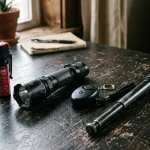
For individuals exploring compact personal carry options, pairing anatomical awareness with a high-durability defensive keychain allows modest force to penetrate deeply into muscular or nerve junction points.
Conclusion: The Defensive Ethos of Anatomical Targeting
Locating the weak points on the human body is not about inflicting unnecessary trauma; it is about finding the shortest, most efficient biological path to stopping an unprovoked assault. By focusing defensive countermeasures on non-reinforced sensory hubs, respiratory conduits, autonomic nerve centers, and structural leg joints, defenders can overcome extreme physical disparities and secure the vital seconds needed to disengage and reach safety.
Get our latest guides, news, and insights highlighted in your Google Search & AI Overviews.