

Using an automatic center punch can revolutionize your approach to projects involving wood, metal, and other materials. Did you know that this tool can enhance accuracy and reduce the risk of damaging your workpiece? By providing a precise indentation without the need for a hammer, it makes drilling easier and more efficient. Whether you’re a seasoned machinist or a DIY enthusiast, mastering the use of an automatic center punch will save you time and frustration. In this guide, we’ll explore its features, offer practical usage tips, and highlight safety precautions to ensure your projects are successful and enjoyable. Continue reading to unlock the full potential of this indispensable tool and elevate your craftsmanship.
Understanding the Automatic Center Punch: Function and Features
The automatic center punch is an essential tool for anyone involved in woodworking, metalworking, or any DIY project requiring precision drilling. It serves a fundamental purpose: to create a small indentation in a material’s surface, guiding drill bits to prevent them from slipping and ensuring accuracy during the drilling process. This seemingly simple tool can significantly enhance the quality of your work by facilitating more controlled and accurate drilling.
One of the standout features of the automatic center punch is its spring-loaded mechanism, which allows for quick and effortless marking. When applied to a surface, the tool employs a controlled spring action to deliver a precise punch without requiring a hammer. This not only minimizes the risk of damaging the material being worked on but also increases efficiency, particularly in settings where multiple markings are needed. For example, the Husky 6-inch Automatic Spring Loaded Center Hole Punch ([1]) features an aluminum body that offers durability while remaining lightweight, making it easy to handle in various applications.
In addition to its basic function, modern automatic center punches often come equipped with features tailored to enhance user experience and accuracy. For instance, some models include adjustable punch depths, allowing users to customize the indentation according to the thickness of the material. Others, like the ALBO Spring Loaded Center Punch, feature ergonomic designs with non-slip comfort caps to improve grip and reduce hand fatigue during extended use ([2]).
As the precision of your projects relies heavily on the effectiveness of your tools, understanding the function and features of an automatic center punch is vital. This knowledge not only leads to more efficient work practices but also elevates the overall quality of your handyman or professional projects, paving the way for greater accuracy and a more polished final product.
Essential Safety Tips for Using an Automatic Center Punch
Ensuring safety while using an automatic center punch is crucial, as even seemingly straightforward tools can lead to accidents if not handled properly. Whenever employing this tool, it’s vital to wear appropriate personal protective equipment (PPE), such as safety glasses, to protect your eyes from debris or shards that may be ejected during the punching process. Additionally, sturdy work gloves can provide a better grip and safeguard your hands from injuries.
Before using the automatic center punch, inspect the tool to ensure it’s in good working condition. Check for any damage, such as cracks or bent tips, which could adversely affect its performance. Furthermore, always use the tool on a solid, stable surface. Working on a flimsily supported material may cause the punch to slip or break, leading to unintended injuries or damage.
When using the punch, maintain a firm stance, positioning your body in a way that minimizes the risk of injury if an accidental slip occurs. Hold the center punch perpendicular to the surface you are working on, applying a steady, controlled pressure to ensure accurate marking. Avoid excessive force, as this can result in the punch slipping or losing its effectiveness.
Lastly, always store your automatic center punch in a designated location when not in use, ensuring it is kept out of reach of children and stored in a protective case if possible. By observing these safety tips, you can help prevent accidents and ensure a smooth, efficient workflow in your projects.
Choosing the Right Automatic Center Punch for Your Needs
When it comes to selecting the ideal automatic center punch for your projects, understanding the nuances among different tools can greatly enhance your precision and ease of use. Automatic center punches vary in features, size, and price, making it critical to evaluate your specific needs before making a purchase. This tool is designed for marking precise points on materials like metal, wood, and plastic-essential for tasks such as drilling and machining.
In choosing the right automatic center punch, consider the following factors:
- Material and Build Quality: Look for punches made from hardened steel, as they offer greater durability and resistance to wear. A lightweight, yet robust aluminum body can enhance handling and reduce fatigue.
- Spring Mechanism: The effectiveness of the punch depends on the spring mechanism inside. Some models allow you to adjust the pressure of the spring, letting you control the force of the strike for different materials. This feature is particularly useful for achieving consistent indentations, irrespective of the surface.
- Size and Thickness: Ensure the punch is suitable for the scale of your projects. For fine work, a smaller punch can provide precision, while larger ones are adept for bigger tasks.
- Comfort and Grip: A non-slip grip can significantly enhance control, helping to prevent accidents during use. Ergonomically designed handles are beneficial for prolonged use, particularly in projects that require multiple punches.
- Price Point: Budget is always a consideration; however, investing in a quality tool can save you money in the long run due to its durability and performance. Balance your budget with the necessary quality features.
To ensure that you are making a well-informed decision, it can be helpful to read customer reviews and feedback on various brands and models. Popular choices often include brands known for their reliability and efficiency, making them favorites among professionals and DIY enthusiasts alike. Taking the time to explore these options will not only enhance your toolbox but also empower you with the confidence to execute your projects with precision.
Step-by-Step Guide to Using an Automatic Center Punch
Using an automatic center punch effectively is integral to achieving precision in your woodworking or metalworking projects. This tool eliminates the need for hammers, allowing you to create clean, accurate indentations on various materials with relative ease. Here’s a detailed guide to mastering its use.
Begin by preparing your workspace. Ensure the material you intend to punch is securely clamped to prevent movement during the process. Position the automatic center punch at the specific point where you want the indentation. It’s crucial to align the punch properly to avoid off-center marks that could lead to drilling misalignments or inaccuracies.
Next, determine the required pressure setting if your model allows for adjustment. For softer materials, reduce the pressure to prevent excessive indentation. Conversely, increase the pressure for harder materials to ensure a clean punch. Once set, hold the punch firmly and press down until you feel the spring mechanism engage. Release to create the punch mark. It’s advisable to repeat this process if deeper indentations are needed, applying only moderate pressure to retain control.
Finally, assess the indentation. A well-executed punch should leave a clear mark, distinguishing the spot for drilling or machining. If the mark is faint or uneven, consider adjusting the pressure or the angle of application during your next attempt. With regular practice, you’ll fine-tune your technique for precise, accurate work with the automatic center punch.
Common Mistakes to Avoid with Automatic Center Punches
Using an automatic center punch may seem straightforward, but many users fall into common pitfalls that can result in frustration and inaccurate results. Understanding these mistakes can enhance your effectiveness and precision with this invaluable tool.
One frequent error is improper alignment of the punch. Placing the punch even slightly off-center can lead to misalignment when drilling, potentially ruining the workpiece. Always double-check the position of the punch against your intended mark before applying pressure. Additionally, some users overlook the importance of choosing the correct pressure setting. Using too much force on softer materials can create excessive indentations or damage the material, while insufficient pressure on harder materials may result in a weak or non-existent punch mark. Familiarize yourself with your automatic center punch model’s settings and adjust based on the material type.
Another mistake is neglecting to secure the workpiece. Without proper clamping, the material can shift, leading to inaccurate punch marks. Ensure that your workpiece is firmly anchored in place to maintain stability during the punching process. Moreover, it’s important to avoid repetitive punching at the same point without assessing the depth of the mark first. This can create unnecessary damage or an uneven surface. Finally, some users fail to maintain their automatic center punch, leading to performance issues over time. Regularly inspect and clean the tool, as debris or corrosion can affect its functionality.
By being mindful of these common mistakes-alignment, pressure setting, securing the workpiece, excessive repetition, and maintenance-you can improve your results and make the most of your automatic center punch.
Advanced Techniques for Precision Punching
Mastering the art of precision punching with an automatic center punch can significantly enhance the quality of your work. This tool is not just about making holes; it plays a crucial role in ensuring accuracy and preventing material damage. One advanced technique is to use a reference point for alignment. When marking surfaces, always utilize existing features or lines on the workpiece. For example, if you’re working with wood, align the punch with the grain to ensure that your marks are consistent and do not split the material.
Utilizing multiple punch marks can also enhance precision. Instead of relying on a single indentation to guide your drill, create a series of light marks in the desired pattern or shape. This technique helps ensure the drill will enter at the correct angle and location, particularly on larger or more complex workpieces. Furthermore, when working with metal or harder materials, try employing a blank punching technique. Make a light punch mark at each corner of your intended drilling area before going over the same points with more force. This method allows you to deepen specific points of contact without risk of slipping or damaging the drill bit.
Another advanced approach is adjusting the spring pressure based on the material type. Many automatic center punches have an adjustable spring mechanism that allows you to customize the force. For example, applying light pressure on softer materials like plastic or plywood prevents deformation, while a firmer setting is appropriate for harder metals. Always test on a scrap piece if you’re uncertain about the appropriate setting.
Lastly, consider the speed and manner of your application. A swift, firm push is often more effective than a slow, deliberate pressure when using the automatic center punch, as it minimizes the chances of losing alignment. Practicing these techniques not only improves your skill but also boosts confidence in your projects, leading to more professional results. Always remember, mastery comes with practice-experiment, adjust, and refine your methods for the best outcomes.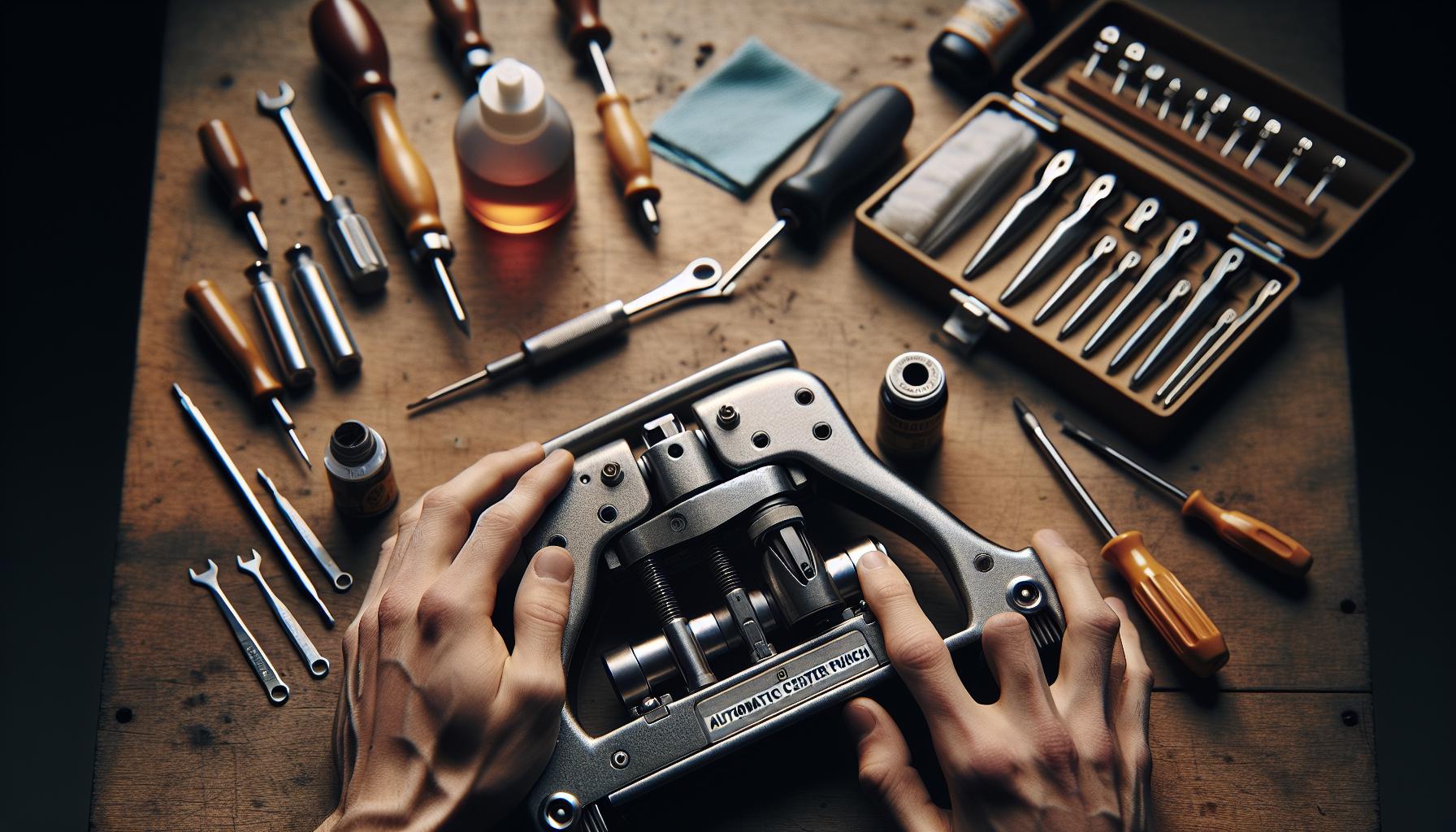
Maintaining Your Automatic Center Punch for Longevity
Keeping your automatic center punch in top condition is essential for achieving consistent results and maximizing the tool’s lifespan. Proper maintenance not only ensures accuracy in your work but also saves you from potential frustration when the tool fails to perform as expected. These simple yet effective maintenance practices will extend the life of your punch and keep it ready for action whenever needed.
Start with regular cleaning of your automatic center punch to prevent residue buildup from wood, metal, or other materials. After each use, wipe down the tool with a clean, dry cloth to remove dust and debris. If needed, use a soft brush to clean out any dirt lodged in the mechanism. Avoid using harsh chemicals, as they can damage the finishes or internal components. For tools that have seen heavy use, consider using a microfiber cloth with a small amount of oil to lubricate the moving parts. This helps maintain smooth operation and prevents rust formation.
Ensure that the spring mechanism is functioning properly by occasionally checking its tension. If your automatic center punch features adjustable spring tension, make sure to test it on scrap material to confirm that it delivers the appropriate force for different substances. A spring that’s too weak may not create a sufficient indentation, while a spring that’s too strong can damage softer materials. Knowing how to adjust this setting based on your specific needs is crucial for maintaining accuracy.
Lastly, inspect the tip of your automatic center punch regularly for wear or damage. A blunt or damaged tip can compromise the quality of your indentations, leading to misplaced drill holes. Most automatic center punches come with replacement tips; keep a few on hand to ensure your tool remains effective. When you notice the tip becoming rounded or chipped, replace it immediately to maintain optimal performance. With these proactive maintenance steps, your automatic center punch will serve you efficiently for years to come.
Comparing Automatic Center Punches: Brands and Models
When it comes to selecting an automatic center punch, the marketplace offers a variety of brands and models, each with distinct features to cater to different needs and preferences. Understanding these differences can significantly impact your projects, as the right tool not only enhances precision but also improves overall efficiency.
A well-known brand in this category is SureBilt, particularly the SureBilt 98303 Automatic Center Punch. This model is notable for its double spring-loaded barrel, allowing you to create precision punches without the need for a hammer. The sturdy chrome vanadium steel tip ensures durability, while its polished brass handle with a knurled grip offers excellent control, making it a reliable choice for both hobbyists and professionals alike [[1]].
For those who prioritize versatility, the YUEARN Self Centering Center Punch stands out. This model not only includes a set of three different sizes but also comes with adjustable tension settings and replacement tips. This adaptability makes it suitable for marking a wide range of materials, from wood and metal to plastic and glass. It’s a great option for users who frequently switch between different materials in their work, ensuring they maintain precision regardless of the application [[3]].
In addition to these popular options, there are many other brands worth considering. When comparing automatic center punches, keep an eye out for features such as adjustable spring tension, material durability, and ease of use. Users often report that a tool with a solid construction and comfortable grip leads to better control, reducing the likelihood of damaging the workpiece or missing the intended mark.
By weighing the pros and cons of various brands and models, you’ll find the perfect automatic center punch that aligns with both your skill level and project requirements. Remember, investing in a quality tool can greatly enhance your workflow, making it an essential component of your toolkit.
Unique Applications of the Automatic Center Punch
The automatic center punch is not just a tool for marking, but a versatile instrument that can enhance various projects across different trades and crafts. Beyond the traditional role of creating starter dimple marks for drilling, its unique design and functionality open the door to several innovative applications that can vastly improve efficiency and accuracy.
One compelling application of an automatic center punch is in the field of woodworking. Craftsmen use it to create precise indentations on the wood surface before drilling, which helps prevent the drill bit from wandering. This is particularly beneficial when working with harder woods, where accuracy is paramount to ensure clean holes. Additionally, the automatic center punch can serve as a helpful tool for aligning pieces or ensuring that screws and nails are positioned correctly, thereby reducing the chances of splitting the wood.
In metalworking, this tool shines even more. It enables users to firmly mark metals without the need for excessive force, making measurement and drilling much more straightforward. The punch can also be used in combination with various jigs and fixtures, enhancing the setup process for operations like milling or soldering. This method reduces the likelihood of errors, ensuring that every punch aligns with precision, which is critical in producing high-quality finished products.
Moreover, automatic center punches are valuable in jewelry making and delicate crafts. They allow for subtle, controlled markings on precious materials, sparing them from damage that might occur with a heavier hammer-driven punch. Jewelers can precisely indicate where to set gemstones or engrave delicate designs, making the center punch an essential implement in their toolkit.
For those involved in automotive repairs, the automatic center punch can be an invaluable asset. It assists in marking chassis and bodywork for modifications or repairs, ensuring all adjustments are precise and aligned correctly. This is particularly relevant when fabricating or replacing parts, where accuracy can affect the overall performance and safety of the vehicle.
In conclusion, embracing the utility of the automatic center punch can significantly enhance work across various fields, whether it be woodworking, metalworking, jewelry crafting, or automotive projects. By leveraging this versatile tool, craftsmen and hobbyists alike can achieve greater precision and efficiency in their work.
Troubleshooting Common Issues with Automatic Center Punches
When using an automatic center punch, it’s not uncommon to encounter some issues that can hinder its effectiveness. Understanding these potential problems and having the right solutions can ensure a smoother experience and better results.
One common issue is the punch failing to make a mark on hard surfaces. This usually indicates that the spring tension is insufficient, which prevents the punch from delivering adequate force. To resolve this, check the adjustment setting on your punch if it has one. Increasing the spring tension can provide the necessary impact to mark harder materials like metal properly. Also, ensure that the point of the punch is sharp; dull points can lead to ineffective marking.
Another frequent problem is that the punch might slip off the intended marking point. This is predominantly a technique issue where the tool needs to be held steadily and aligned correctly. To minimize slip, use the punch at a 90-degree angle to the surface. It helps to visually mark where you want to punch before placing the tool, ensuring precision and accuracy during operation.
Occasionally, users may find that the automatic mechanism becomes stuck or fails to function. This can happen due to dirt or debris lodged in the mechanism. To troubleshoot, disassemble the punch according to the manufacturer’s instructions, clean all components, and reassemble them carefully. Regular maintenance, such as lubricating moving parts, can also help prevent this problem from recurring.
If you’re frequently encountering these or other issues, documenting the circumstances can help identify patterns, such as specific materials that cause problems or settings that lead to better results. This practice can enhance your technique over time and solidify your command of this essential tool. By staying proactive and knowledgeable about troubleshooting, you can maximize the effectiveness of your automatic center punch, making it a reliable companion in your crafting or repair projects.
User Reviews: What Do Craftsmen Say?
Many craftsmen find the automatic center punch to be an indispensable tool in their arsenal. This tool not only simplifies the marking process but also enhances accuracy, making it a favorite among woodworkers, metalworkers, and DIY enthusiasts alike. Craftsmen often commend its ability to deliver a precise point without the need for a hammer, allowing for a more controlled marking experience.
Professional woodworkers have noted that the automatic center punch is particularly beneficial when working with delicate materials or in precision tasks. They appreciate how the tool creates a dimple in the workpiece, which provides a stable starting point for drilling. This feature reduces the likelihood of drill bits wandering, especially on slippery or hard surfaces. One user highlighted, “Using an automatic center punch saved me a lot of time and frustration on my last project. The marks were consistent and exactly where I needed them, making the drilling process much smoother.”
Moreover, users frequently share their experiences regarding the ease of adjusting the spring tension to suit different materials. A common theme in reviews is the versatility of these tools; craftsmen often express satisfaction with their ability to mark a variety of surfaces, from metal to cardboard. One enthusiast mentioned, “I can confidently use my punch on both wood and metal. It’s amazing how adaptable it is!”
However, feedback is not without caution. Some reviewers advise potential buyers to consider the build quality and mechanism of the automatic center punches, as cheaper models can occasionally malfunction. Craft enthusiasts often emphasize the importance of investing in a reputable brand to avoid issues with inconsistency or durability over time. A well-rounded selection of positive and constructive reviews allows users to make informed choices about which punch will best meet their needs, ensuring years of effective use in their projects.
Expanding Your Tool Kit: Accessories for Your Automatic Center Punch
When it comes to maximizing the functionality of your automatic center punch, having the right accessories can significantly enhance your efficiency and precision. Accessories can help you tackle various projects more effectively, making your tool kit not just comprehensive, but tailored to your specific needs. Here’s a closer look at useful additions that can elevate your automatic center punch experience.
Essential Accessories for Precision Marking
- Adjustable Depth Gauge: This accessory allows for precise control over the depth of your markings, catering to different materials and ensuring your punches are not too shallow or deep.
- Replacement Punch Tips: Over time, tips may wear out. Having a selection of replacement tips ensures that your automatic center punch maintains its sharpness and effectiveness, catering to various materials such as metal, plastic, or wood.
- Protective Case: To prolong the life of your tool and accessories, a protective case can prevent damage during storage and transportation, especially if you’re frequently on the go.
- Cleaning Kit: Keeping your tools clean is essential for maintaining their performance. A cleaning kit can help you remove debris that may affect the spring mechanism or tip quality.
Optional Enhancements
In addition to the essential accessories, there are optional tools that can complement your automatic center punch.
- Magnetic Base: A magnetic base can hold your workpieces in place during the marking process, especially on vertical or overhead surfaces, ensuring stability while using the punch.
- Marking Protractor: This tool assists in making precise angle cuts and ensures that your punches are accurately placed according to your design requirements.
- Pressure Adjustable Handle: Some models come with interchangeable handles that allow you to adjust the amount of pressure applied during use, offering greater control based on your material selection.
Having these accessories at your disposal can transform your automatic center punch into a versatile tool that meets the demands of various projects. Just as no craftsman is complete without a well-equipped toolkit, complementing your automatic center punch with these accessories will ensure you are ready for any task, big or small. Not only will you enjoy increased efficiency and precision, but you will also find that you can handle a wider range of materials and applications with confidence.
FAQ
Q: What is the purpose of an automatic center punch?
A: An automatic center punch is used to create a precise starting point for drilling. It ensures that the drill bit does not wander, improving accuracy for tasks like woodworking and metalworking. Its spring-loaded mechanism delivers a controlled impact, making it easier to use than a manual punch.
Q: How do I choose the right automatic center punch for my project?
A: When selecting an automatic center punch, consider factors like adjustability, material compatibility, and ease of use. Look for one with a comfortable grip and adjustable impact force. For detailed guidance, refer to the “Choosing the Right Automatic Center Punch for Your Needs” section in the article.
Q: Can an automatic center punch be used on metal?
A: Yes, an automatic center punch can be used on metal surfaces. Make sure to select a punch designed for metalworking, as it will be more durable and effective at creating sufficient indentations for accurate drilling.
Q: What are some common mistakes when using an automatic center punch?
A: Common mistakes include applying too much or too little pressure, not maintaining a steady hand, and neglecting to check the punch’s position before impact. To avoid these, follow the tips outlined in the “Common Mistakes to Avoid with Automatic Center Punches” section.
Q: How should I maintain my automatic center punch for longevity?
A: To maintain your automatic center punch, clean it after each use to remove debris and lubricate the moving parts occasionally. Following the “Maintaining Your Automatic Center Punch for Longevity” tips can ensure optimal performance and a longer lifespan.
Q: What unique applications can an automatic center punch be used for besides drilling?
A: An automatic center punch can also be used for marking guidelines, scribing, or creating starter points for screws and rivets. Its versatility extends to various crafts and repair tasks, making it a handy tool in any toolkit.
Q: When should I troubleshoot my automatic center punch?
A: Troubleshooting is necessary if the punch fails to create marks, if the mechanism feels stuck, or if it doesn’t recoil properly. For detailed solutions, refer to the “Troubleshooting Common Issues with Automatic Center Punches” section in the article.
Q: How does the impact force of an automatic center punch affect its performance?
A: The impact force affects how deeply the punch penetrates materials. Adjusting the force allows users to adapt to different surface hardness, ensuring efficiency. Check the specifics in the “Step-by-Step Guide to Using an Automatic Center Punch” section for more insights.
To Wrap It Up
Now that you masterfully understand how to use an automatic center punch, it’s time to put your skills into action! Remember, this tool not only enhances your precision but also helps prevent material damage. If you’re looking to elevate your project further, check out our articles on “Essential Hand Tools Every DIYer Should Have” and “Tips for Perfectly Drilling Into Metal” for valuable insights.
Don’t hesitate-grab your center punch and start creating! If you have questions or experiences to share, leave a comment below; we’d love to hear from you. For more tips and tricks straight to your inbox, consider signing up for our newsletter. Your journey in tool mastery doesn’t have to stop here; explore our site for extensive guides and resources tailored just for you. Happy crafting!