Understanding the physiological mechanics of how to knock someone out in one punch requires mastering kinetic sequencing and strike accuracy.
In self-defense, the ability to incapacitate an aggressor with a single punch can be crucial for personal safety. Understanding critical targets on the human body not only increases your effectiveness but also allows you to control conflict with minimal force, aligning with self-defense ethics. It’s important to recognize that while the knowledge of physical techniques can empower you, the emphasis must always be on de-escalation and responsible action. This guide will explore vital areas for striking, the implications of using such techniques, and the ethical considerations that accompany them. By staying informed about these critical aspects, you can protect yourself while respecting the legal and moral boundaries of self-defense. Read on to discover how to enhance your self-defense capabilities while prioritizing safety and ethical conduct.
Understanding the Legal Implications of Self-Defense
Understanding how the law views self-defense is crucial for anyone considering the use of physical force for protection. In many jurisdictions, self-defense is a legally justifiable reason to use force, but the key factor is proportionality. This means that the response must match the threat level. For instance, using lethal force is often only permissible when facing a legitimate and immediate threat to life. It’s essential to assess your surroundings and the situation carefully before deciding on a course of action.
When engaging in self-defense, especially with the intention of incapacitating someone with a punch, it is vital to understand the potential legal repercussions. Even if your actions may seem justified during a confrontation, post-incident investigations will scrutinize whether the level of force used was appropriate. In many cases, striking first, even if motivated by fear, can lead to charges of assault if it is deemed that your response was excessive. Therefore, it’s wise to avoid conflicts whenever possible, utilizing de-escalation techniques, and only resorting to physical force as a last option.
Additionally, specific laws can vary significantly from one state to another regarding self-defense, so familiarize yourself with local legislation. In some states, “stand your ground” laws permit individuals to use force without retreating, while others may require individuals to attempt to escape if safe to do so. Understanding these nuances can impact not only your safety but also your legal standing should the need for self-defense arise.
By emphasizing a responsible approach to self-defense, individuals can better prepare themselves to handle threats while minimizing legal liability. This preparation involves not only learning effective techniques but also understanding the moral and legal dimensions that inform when and how to act.
Essential Techniques for a Powerful Punch
A well-executed punch can be a decisive tool in self-defense, but it requires technique and understanding of anatomy to be effective. To maximize your punch’s power and effectiveness, focus on three essential components: technique, body mechanics, and targeting.
Technique is paramount. Engage your entire body in the punch rather than relying solely on your arm. Start from your feet: shift your weight from your back foot to your front as you throw the punch. Keep your elbow tucked in, and rotate your hips and shoulders forward to add momentum. Ensure your fist is properly aligned with your forearm to prevent injury. Follow these steps for a powerful and safe strike:
- Stance: Stand with feet shoulder-width apart, knees slightly bent, and weight distributed for balance.
- Punching motion: Rotate your body, engage your core, and extend your arm explosively while striking the target.
- Follow-through: After making contact, allow your hand to retract swiftly to either defend against a follow-up attack or to re-establish your guard.
Body mechanics play a crucial role as well. A powerful punch isn’t just about arm strength; it’s about utilizing your whole body. Engaging your core provides stability and power while your legs contribute to the force generated. Practice regularly to improve the fluidity and effectiveness of your punches; heavy bags and focus mitts can be excellent tools for building strength and precision.
Targeting is equally vital for an effective strike. Focus on critical areas that can incapacitate an attacker quickly, such as:
- The chin: A direct hit can lead to a knockout due to the brain’s sudden jolt.
- The temple: Strikes here can disorient an opponent due to the impact on the brain.
- The solar plexus: A well-p

The Science Behind a Knockout: What Happens Physically
A knockout punch doesn’t just result from brute strength; it’s a complex interplay of biomechanical factors that can dramatically tilt the outcome of a physical confrontation. Understanding the science behind why certain strikes can render an opponent unconscious is crucial for anyone interested in self-defense, not only for effective striking but also for comprehending the significant responsibility that comes with such power.
When a punch lands, particularly on vulnerable areas like the chin or temple, the force affects the opponent’s brain. The rapid acceleration and deceleration of the head can create a shockwave that disrupts normal brain function. This can lead to a loss of consciousness as the brain experiences a sudden jolt, often causing it to temporarily “turn off” to protect itself from further damage. Factors such as the angle of impact and the body mechanics employed during the punch can significantly enhance the likelihood of a knockout. The force generated by a properly executed punch engages not just the fist, but the entire kinetic chain of the body-from feet to legs, hips, and shoulders-culminating in a devastating strike.
Key Factors in a Knockout
- Impact Frequency: The brain’s susceptibility to injury increases with faster impacts. High-velocity punches, especially targeting vulnerable spots, have a higher success rate for causing knockouts.
- Kinetic Energy Transfer: Effective punches utilize the entire body for momentum, ensuring that energy travels through the arm and into the striking surface. This transfer is crucial for delivering maximal force.
- Target Area Selection: Areas like the chin and temple are particularly effective for inducing loss of consciousness. Strikes to these zones can disrupt neural pathways leading to sudden incapacitation.
Acknowledging the potential consequences of strikes that lead to knockouts is vital for responsible self-defense practices. Training should focus not only on technique but also on understanding the legal and ethical ramifications. Utilizing controlled environments and sparring with protective measures can help hone these skills safely and effectively. Always prioritize de-escalation and alternative conflict resolution methods wherever possible; it’s imperative to recognize that the goal of self-defense is to protect oneself while minimizing harm to others.
Situational Awareness: Avoiding Confrontation
Avoiding confrontation is an essential skill in self-defense and can greatly reduce the need for physical altercations, particularly when considering the serious implications of striking someone. Situational awareness allows individuals to assess their environment and recognize potential threats before they escalate. One of the most important strategies in conflict avoidance is to maintain an alert and observant demeanor. For instance, being aware of body language, tone of voice, and the dynamics of a group can provide early signals that a situation may become hostile.
Practicing de-escalation techniques can also be beneficial in preventing conflicts from turning physical. These might include using calm, non-confrontational language, maintaining an open stance, and politely removing oneself from a tense environment. For example, if someone approaches you aggressively, expressing empathy or concern rather than anger can diffuse the confrontation. Being trained in conflict resolution can empower you to handle potentially volatile situations without resorting to force.
Additionally, understanding the environment you are in is crucial for situational awareness. Whether it’s a crowded street or an isolated parking lot, recognizing escape routes and safe areas can provide you with options if a confrontation arises. Pay attention to your surroundings; make it a habit to observe people and potential exits as you move through different spaces. This awareness not only reinforces your ability to avoid confrontation but also equips you with critical information should you need to act decisively in a dangerous situation.
In conclusion, while honing striking techniques is essential, the ability to avoid confrontations should be your primary focus. Self-defense is not just about physical prowess; it’s about using intelligence, awareness, and communication to prevent dangerous situations before they escalate. Always remember, your safety and the safety of those around you should be the top priority.
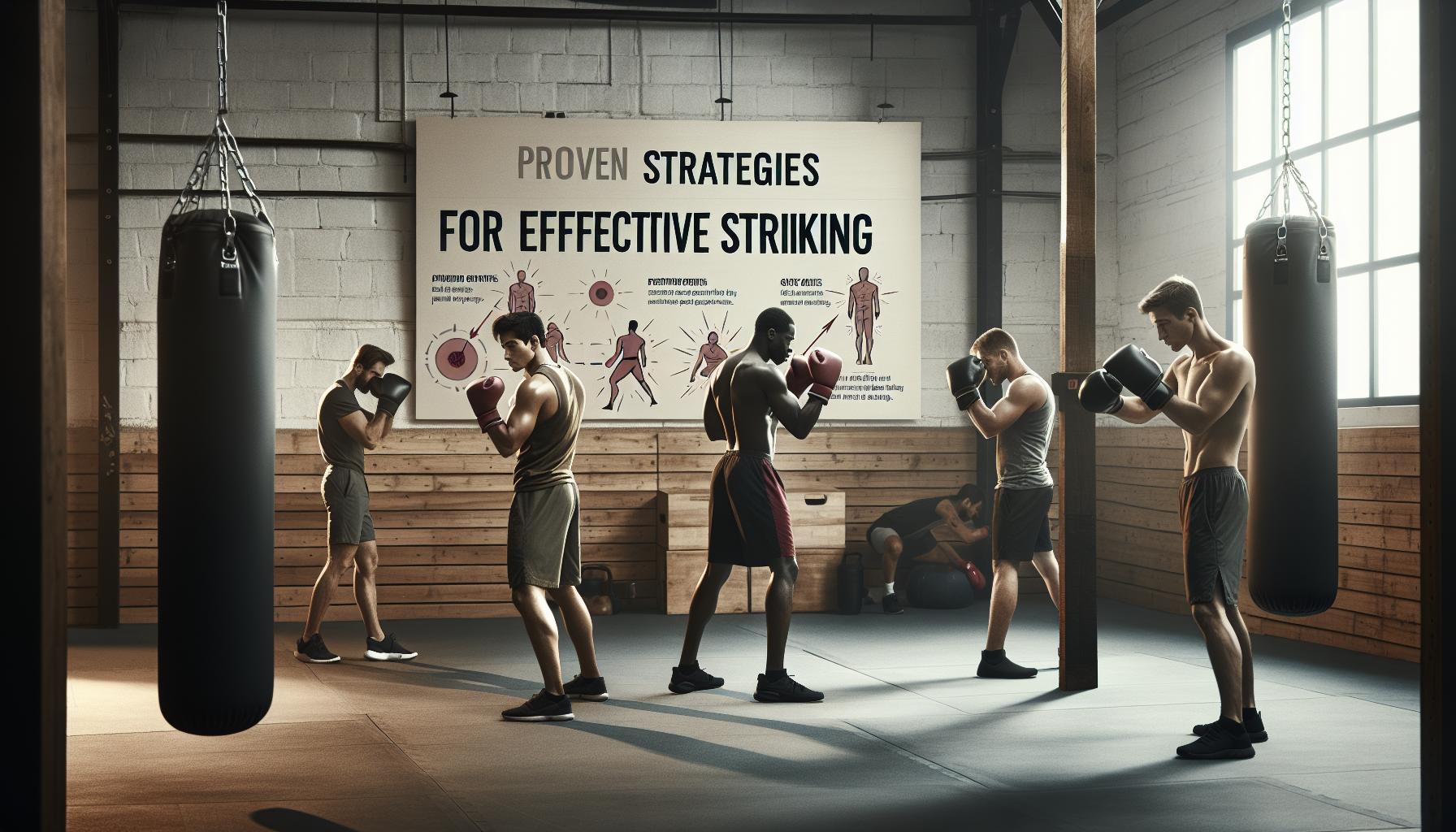
Proven Strategies for Effective Striking
In self-defense, the ability to strike effectively means understanding key techniques that can make a significant difference in a high-pressure situation. The foundation of a powerful punch lies not only in raw strength but also in precise targeting, body mechanics, and timing. By mastering these elements, one can increase the likelihood of delivering a knockout blow while remaining mindful of the immediate consequences that such actions may entail.
A critical aspect of effective striking is targeting vital areas of the opponent’s body. The head, particularly the chin and jawline, are prime areas for a knockout punch due to their sensitivity and proximity to the brain. Aiming for these spots can disrupt balance and consciousness. Additionally, targeting the solar plexus can incapacitate an attacker momentarily, robbing them of breath and leaving them vulnerable. Identifying these critical locations during training can enhance your striking effectiveness, making your punches much more impactful in real situations.
Furthermore, technique and body mechanics play an essential role in delivering a powerful punch. Proper alignment of the body, from feet to fists, ensures maximum power transfer. Engage your core, rotate your hips, and follow through with your punch to generate force. Crafting this into your muscle memory through consistent practice is vital. It’s not enough to just throw a punch; you need to understand the mechanics of how your entire body works together to create an effective strike.
Lastly, timing and distance management are crucial. Recognize the rhythm of your opponent’s movements; waiting for the right moment to strike can often be more effective than a wild, rushed attack. By maintaining an optimal distance, you can avoid counter-attacks while positioning yourself to land a clean blow. Training drills that enhance reaction times and situational awareness can prepare you to act swiftly when an opportunity arises.
In summary, honing effective striking strategies involves much more than physical strength. It requires an understanding of target selection, refined technique, and keen timing. Being prepared in these areas can empower you to defend yourself while also navigating the complexities of legal and ethical considerations surrounding self-defense. Remember, the goal is to protect yourself without escalating the conflict unnecessarily.
The Role of Footwork in Delivering a Knockout Punch
The effectiveness of a knockout punch doesn’t solely depend on the strength behind it; instead, it is significantly influenced by the way you move your body-particularly your footwork. Good footwork is the foundation of an effective strike, allowing you to position yourself optimally to deliver a powerful punch while also ensuring that you remain balanced and ready to respond to any counter-attacks. The ability to seamlessly slide in and out of range creates opportunities for surprise attacks while simultaneously enhancing your defense.
To maximize the impact of your punch, you should focus on the following aspects of footwork:
- Maintain a Low Stance: A lower center of gravity grants you stability and balance, making it easier to generate power from your legs when delivering a punch. Keeping your knees slightly bent allows for better movement and readiness.
- Use Small Steps: Rapid, small steps rather than large strides enable quicker adjustments in your position. This agility can help you evade an opponent’s attack while placing you in the ideal position to strike.
- Pivot on Your Feet: When targeting critical areas, pivoting is essential. It allows you to transfer weight efficiently and generate more power in your punch. For instance, pivoting your lead foot while throwing a hook can amplify the strength of your strike.
- Practice Lateral Movement: Being able to move side to side (or diagonal) during an exchange keeps you evasive and difficult to hit. Engaging in lateral drills during training can strengthen this skill, providing you with the agility needed during a confrontation.
Understanding how your footwork affects distance and positioning can significantly alter the dynamics of a confrontation. For example, if your opponent steps into your range, you can utilize footwork to quickly create space, making it challenging for them to land a punch while preparing for your own. Conversely, if you are too far from your opponent, a powerful punch may not have the intended effect. Practicing these movements allows muscle memory to kick in, enabling you to react instinctively when under pressure.
The importance of footwork extends beyond merely setting up the punch; it also encompasses the ethical and legal considerations of self-defense. By ensuring that you maintain a safe distance and avoid unnecessary escalation, effective footwork reinforces the principle of proportional response. The goal is to neutralize a threat, not to escalate violence. Thus, prioritizing careful movement and positioning can mitigate potential harm while navigating the complexities of self-defense.
Comparative Analysis: Striking Styles in Martial Arts
Different martial arts striking styles offer unique approaches to delivering effective punches, each with its own principles, techniques, and philosophies. A comparative analysis of these styles not only enhances understanding but also aids individuals in selecting the best fit for their self-defense goals. While there are numerous striking disciplines, the most notable include Boxin, Muay Thai, and Karate, each bringing distinct tactics to the table.
Boxing
Boxing emphasizes hand strikes and footwork, focusing on speed, technique, and timing. Practitioners develop a rigorous training regimen involving shadow boxing, bag work, and sparring, which cultivates the ability to deliver rapid punches while maintaining defensive posture. The stance in boxing is designed to facilitate quick movement and power generation, with key strikes such as the jab, cross, hook, and uppercut effectively targeting an opponent’s head and body.
- Key Features:
– Jabs for Range Control: The jab is utilized to gauge distance and set up combinations.
– Head Movement: Slip and weave techniques help avoid counterstrikes.
– Power Generation: Rotational movement of the hips and shoulders enhances the force of punches.Muay Thai
Known as the “Art of Eight Limbs,” Muay Thai incorporates punches, kicks, elbows, and knees, making it a versatile striking style. The emphasis on clinch work distinguishes Muay Thai from other striking arts, allowing practitioners to control opponents at close range and deliver powerful knee strikes. The training includes pad work, clinch drills, and sparring, focusing on both striking power and endurance.
- Unique Aspects:
– Elbows and Knees: These weapons create devastating effects in close combat situations.
– Stance and Balance: The stance is lower, emphasizing stability and power in leg strikes.
– Clinching Techniques: The clinch allows for controlling opponents and using strikes effectively, showcasing adaptability.Karate
Karate focuses on striking techniques that utilize punches, kicks, knee strikes, and blocks. Different styles of Karate (e.g., Shotokan, Goju-Ryu) may emphasize various aspects like powerful linear strikes or circular movements. Karate training often involves kihon (basics), kata (forms), and kumite (sparring), fostering discipline and the mental aspects of combat.
- Distinct Elements:
– Kata Practice: Practicing forms develops technique, timing, and precision.
– Emphasis on Kicking: High and low kicks can create opportunities for powerful counterstrikes.
– Strategic Application: Karate teaches restraint and the importance of only using force when necessary, aligning with ethical self-defense principles.Understanding these styles enables individuals to appreciate the complexities involved in striking techniques and how they can be effectively applied in real-life scenarios. Furthermore, many practitioners find value in cross-training, incorporating elements from multiple disciplines to create a well-rounded striking arsenal. Remember, while physical techniques are crucial, the ethical and legal implications of self-defense practices are paramount. Awareness of the surrounding environment and the ability to de-escalate potential conflicts should always take precedence over engaging in a physical confrontation.
Safety Protocols: Training with Responsibility
Effective self-defense training is not just about learning how to strike; it fundamentally revolves around the responsibility that accompanies those skills. While the idea of knocking someone out with a single punch can be enticing, the reality of such an action is serious and fraught with legal implications. Understanding these implications, including local laws on self-defense, is essential before engaging in any physical confrontation. For instance, many jurisdictions require that individuals exhaust all options for de-escalation before resorting to physical force. This emphasizes the importance of a strong ethical foundation in self-defense training.
Training with responsibility involves several safety protocols that every aspiring practitioner should adhere to. First, ensure that all training is conducted in a controlled environment, preferably under the guidance of a qualified instructor who emphasizes safe practices and legal awareness. This includes using proper protective gear during practice sessions to prevent injury. Regularly revisiting the fundamentals of self-defense techniques, such as avoiding head strikes unless absolutely necessary, helps reinforce the concept that these skills should only be used as a last resort.
Moreover, it’s crucial to practice situational awareness and de-escalation techniques. Being aware of your surroundings and recognizing potential threats can often help you avoid physical confrontation altogether. Training in verbal de-escalation skills, body language reading, and conflict resolution can equip you with the tools to diffuse situations peacefully. This aspect of training not only promotes safety but also empowers you to handle conflicts with confidence without resorting to violence.
Incorporating ethical discussions into self-defense training sessions is equally important. Practitioners should understand the moral weight of their actions and how to navigate the aftermath of an encounter should they find themselves in a situation where they must use force. This includes familiarizing oneself with state-specific legal guidelines about the use of force, such as “stand your ground” laws or the duty to retreat. By fostering an environment where ethical considerations are part of the learning process, instructors can help ensure that their students are not only skilled in physical techniques but also responsible in their application. In this way, the journey toward becoming proficient in self-defense also becomes a journey toward personal growth and accountability.
Real-Life Scenarios: When a Punch Becomes Necessary
In unpredictable and sometimes dangerous situations, the need to defend oneself can arise unexpectedly. Knowing when a punch may become necessary is not just about the intent to harm but understanding the dynamics of a potentially violent encounter. Criminal defense experts often advise that any response must be proportional to the threat faced. For instance, if approached aggressively by an individual making verbal threats while showing signs of imminent violence, a single strike may be justifiable to neutralize the immediate threat. In such scenarios, practitioners must focus on critical target areas-like the jaw or temple-where a well-placed punch can effectively incapacitate an aggressor without the intention to cause grievous harm.
Understanding the legal ramifications is equally vital. The self-defense laws vary by state, including the presence of “Stand Your Ground” statutes that allow individuals to use reasonable force without a duty to retreat. However, submitting to excessive force can nullify your claim in a court of law. As a responsible self-defense instructor, the emphasis must always remain on avoiding confrontation whenever possible. It is essential to explore de-escalation tactics actively. For example, if backing away can diffuse the tension, it should be the first course of action. Real-life examples show that many confrontations can be defused without physical engagement, leading to safer outcomes for all involved.
In the rare instances where a punch becomes necessary, clarity in understanding the surrounding environment can make all the difference. Situational awareness involves recognizing not only the immediate threats but also the potential consequences of physical confrontation. For instance, if another person intervenes or bystanders are around, the need for restraint becomes critical. Therefore, under conditions where a response may escalate quickly, practitioners are reminded to ask: Is this truly the only option?
Ultimately, no technique should be executed in haste. The psychological weight of striking someone, even in self-defense, carries significant ethical considerations. Injuries resulting from a punch can have life-altering implications, not just for the aggressor but also for the defender. Thus, maintaining composure, assessing the situation calmly, and ensuring that any action taken is both legally justifiable and ethically sound are paramount as one navigates the complexities of real-life confrontations.
The Ethical Responsibility of Self-Defense Applications
In moments of unavoidable confrontation, the decision to strike someone can carry significant ethical implications. Understanding these responsibilities is crucial, not only to comply with legal standards but to navigate the moral landscape of self-defense effectively. Striking someone can lead to severe consequences, including lasting physical harm, legal repercussions, and emotional turmoil for all parties involved. As a responsible self-defense instructor, it’s paramount to emphasize that while the right to defend oneself exists, the decision to do so should be guided by clear ethical considerations.
One of the key aspects of ethical self-defense is the principle of proportionality. This means that any response must be reasonable and commensurate with the threat encountered. For instance, if faced with verbal threats and no actual physical harm, responding with a punch might be viewed as an excessive reaction. Instead, exploring all options-such as de-escalation tactics or retreat-should be prioritized. Practitioners must train not only in techniques that could incapacitate an aggressor but also in methods to safely navigate away from conflict.
Moreover, clarity in understanding the legal framework surrounding self-defense is essential. Different states have specific laws governing the use of force, such as “Stand Your Ground” laws, which may allow for more aggressive responses in self-defense. However, unprovoked aggression can lead to a loss of legal protection. It’s vital for individuals to comprehend their local laws and the potential implications of their actions. Comprehensive training programs should include discussions around these laws, ensuring practitioners can make informed decisions when under threat.
The Psychological Weight of Physical Confrontation
Engaging in physical confrontation, even in self-defense, requires a strong mental resolve. After the immediate threat is neutralized, individuals must grapple with the psychological aftermath of their actions. Striking someone can lead to feelings of guilt, anxiety, or trauma, which may linger long after the incident. Therefore, practicing mindfulness and emotional preparation as part of self-defense training can be beneficial. Encourage practitioners to reflect on their intentions behind their actions and to maintain a mindset that prioritizes safety, legality, and the well-being of everyone involved.
In summary, the ethical responsibility in self-defense applications extends beyond mere physical techniques. It encompasses a thorough understanding of legal limitations, proportionality of force, and the psychological impacts of one’s actions. By fostering an environment of respect, awareness, and responsibility, we can empower individuals to protect themselves while deeply considering the broader implications of their choices in threatening scenarios.
State-Specific Legal Guidelines for Self-Defense
Understanding the legal landscape surrounding self-defense is paramount for anyone contemplating the use of force, particularly when discussing techniques such as delivering a knockout punch. Laws governing self-defense can vary significantly from one state to another, impacting your rights and responsibilities in a confrontation. Familiarity with these laws not only helps protect you legally, but it also discourages unnecessary physical altercations that could lead to severe consequences.
In many states, self-defense laws are primarily categorized under “Stand Your Ground” or “Duty to Retreat.” Under a Stand Your Ground law, individuals are not required to retreat before using reasonable force, including deadly force, if they believe they are facing an imminent threat. This can empower someone to act decisively if they perceive an immediate danger. However, misuse of this law can lead to severe legal repercussions. Conversely, in states with a Duty to Retreat clause, individuals must attempt to escape the situation, if safely possible, before resorting to force. Therefore, a casual understanding of your local laws is essential; striking someone may legally be justified in one state while considered excessive in another.
In addition to specific laws, the concept of proportionality is universally critical. The force you respond with must correspond to the threat presented. For example, using a knockout punch in response to mere verbal threats may be viewed as excessive and could result in criminal charges. It is crucial to assess the situation as objectively as possible and to prioritize de-escalation techniques, like verbal negotiation or disengagement, wherever feasible.
Moreover, documentation and reporting are vital post-incident steps. If you are forced to defend yourself, ensuring there are witnesses or recording the event can help substantiate your claim of self-defense later. Being proactive in understanding your rights and establishing a clear legal footing can greatly impact your safety and legal outcome. Always seek legal counsel to navigate these complexities, ensuring that you not only protect yourself physically but also legally and ethically.
In essence, knowledge of local legal standards, the principle of proportionality, and ethical considerations surrounding self-defense are tools as important as any physical technique. Balancing these elements equips you for the difficult decisions that may arise in high-stakes situations.
Q&A
Q: What are the best critical targets to aim for when trying to knock someone out with one punch?
A: The most effective critical targets include the jaw, temple, and solar plexus. Striking these areas can disrupt balance and cause a knockout. Understanding where to strike is crucial for both efficacy and legal self-defense practices.Q: How does aiming for the temple impact the effectiveness of a knockout punch?
A: A punch to the temple can cause a knockout due to the area’s sensitivity and connection to the brain. A well-placed strike can disrupt the nervous system, leading to instant incapacitation. Make sure to practice proper technique and safety protocols during training.Q: What factors influence the success of a knockout punch?
A: Factors include timing, power, accuracy, and the element of surprise. A well-timed punch executed with adequate force at a critical target significantly increases the chance of a knockout. Always prioritize safety in practice sessions.Q: Why is footwork important when delivering a knockout punch?
A: Good footwork enables better positioning and balance, allowing for a more effective strike. Being able to position yourself correctly not only enhances your power but also increases your chances of successfully hitting a critical target.Q: How can I practice delivering a knockout punch safely?
A: Train with proper supervision and use protective gear during practice. Focus on techniques like shadow boxing or using a punching bag to develop accuracy and form, emphasizing safety protocols that align with responsible self-defense training.Q: What should I consider regarding legal implications before attempting to knock someone out?
A: It’s vital to understand your local self-defense laws. Using excessive force can lead to legal consequences. Always seek de-escalation tactics first and consult legal guidelines specific to your state regarding self-defense measures.Q: Are there health risks associated with delivering a knockout punch?
A: Yes, delivering a knockout punch can lead to serious injuries, including concussions or other trauma to the brain or body. Always prioritize training responsibly and understand the potential consequences of high-impact strikes.Q: What are some common mistakes people make when attempting to knock someone out?
A: Common mistakes include improper targeting, failing to use body mechanics effectively, and overcommitting to a punch, which can leave you vulnerable. Focus on maintaining balance and control while practicing critical target techniques.Insights and Conclusions
Understanding how to effectively deploy self-defense techniques, such as striking critical targets, is crucial, but remember: safety and legality are paramount. By practicing responsible self-defense-where de-escalation is prioritized and force is used only when absolutely necessary-you empower yourself without glorifying violence. If you found this guide useful, explore our related articles on legal self-defense techniques and the differences between various martial arts approaches like Krav Maga and Brazilian Jiu-Jitsu, which can offer additional insights to bolster your skills.
Don’t hesitate to reach out for our upcoming newsletter, where we regularly share tips on self-defense and safety protocols, or check out our resources on legal considerations-your safety and knowledge matter. Engage with us in the comments below with your thoughts or experiences, and join our community to deepen your understanding. Equip yourself with the right knowledge to defend wisely!


Get our latest guides, news, and insights highlighted in your Google Search & AI Overviews.